
Positional therapy is a non-invasive treatment method for snoring, which aims to improve the quality of sleep for both the snorer and their partner. It involves making adjustments to one’s sleeping position to reduce or eliminate snoring. This therapy has gained popularity in recent years due to its effectiveness and low-risk nature. In this blog post, we will explore the concept of positional therapy, its effectiveness, and how it can help snorers and their loved ones get a better night’s sleep.
What is Positional Therapy?
Positional therapy is a treatment method for snoring that focuses on changing one’s sleeping position. It is based on the idea that certain sleeping positions can cause the airway to become narrow, leading to snoring. By making adjustments to the sleeping position, the airway can be opened up, reducing or eliminating snoring.
There are various devices and techniques used in positional therapy, including specialized pillows, adjustable beds, and positional alarms. These devices and techniques aim to keep the snorer in a specific position while sleeping, such as on their side or stomach, to prevent snoring.
Effectiveness of Positional Therapy
Numerous studies have shown that positional therapy can be an effective treatment for snoring. One study found that positional therapy was successful in reducing snoring in 85% of participants. Another study showed that positional therapy was equally effective as continuous positive airway pressure (CPAP) therapy, which is a common treatment for sleep apnea and snoring.
Additionally, a meta-analysis of various studies on positional therapy found that it significantly reduced snoring intensity and frequency. It also improved the quality of sleep for both snorers and their partners, leading to a better overall sleep experience.
How Does Positional Therapy Work?
Positional therapy works by keeping the airway open while sleeping, which prevents snoring. When we sleep on our backs, gravity can cause the tongue and soft tissues in the throat to collapse and block the airway, leading to snoring. By sleeping on our sides or stomach, the airway is kept open, reducing the chances of snoring.
Some devices, such as positional pillows, are designed to keep the head and neck in a specific position while sleeping. This helps to keep the airway open and prevents snoring. Other techniques, such as positional alarms, work by alerting the snorer when they are in a position that can lead to snoring. This helps the snorer to adjust their position and keep the airway open.
Snore No More: The Effectiveness of Positional Therapy
Benefits of Positional Therapy
One of the main benefits of positional therapy is its non-invasive nature. Unlike other treatments for snoring, such as surgery or CPAP therapy, positional therapy does not involve any medications or procedures. This makes it a safe and easy option for individuals looking to reduce their snoring.
Positional therapy also has a high success rate and can be effective for both mild and severe cases of snoring. It is also a cost-effective option compared to other treatments, which can be expensive and may require ongoing maintenance costs.
In addition to reducing snoring, positional therapy can also improve the overall quality of sleep. By keeping the airway open, snorers and their partners can enjoy a more restful and uninterrupted sleep. This can lead to improved mood, increased energy levels, and better overall health.
Tips for Effective Positional Therapy
While positional therapy can be highly effective, it may not work for everyone. Here are some tips to make positional therapy more effective:
1. Invest in the Right Equipment: It’s essential to choose the right device or pillow for your specific needs. Make sure to do your research and read reviews before purchasing.
2. Be Consistent: Consistency is key when it comes to positional therapy. It may take some time to get used to sleeping in a different position, so be patient and consistent with your therapy.
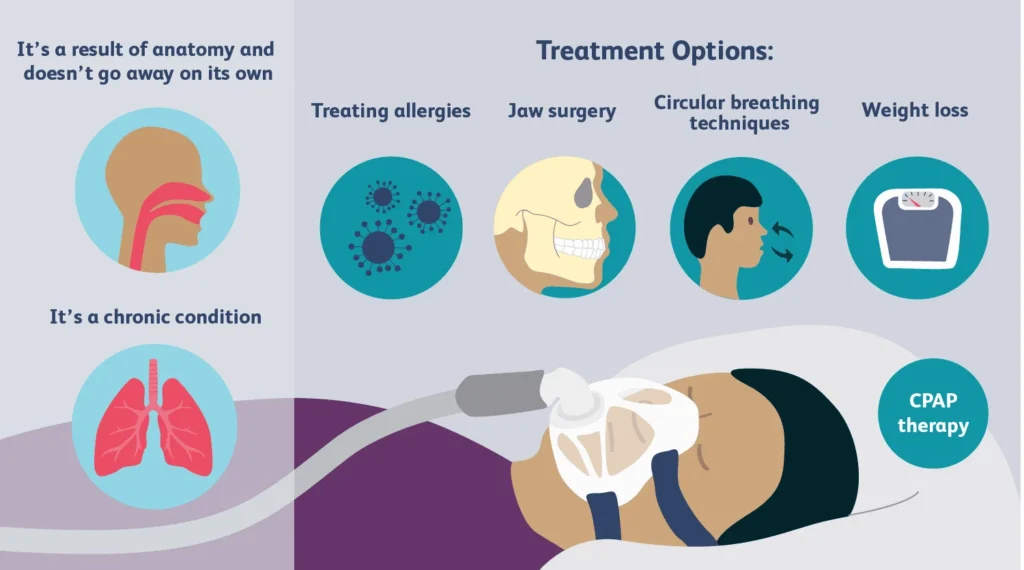
3. Combine with Other Treatments: For individuals with severe snoring or sleep apnea, positional therapy may not be enough on its own. Consider combining it with other treatments, such as weight loss or nasal sprays, for better results.
4. Seek Professional Advice: If you are struggling with snoring, it’s always best to seek advice from a healthcare professional. They can assess your specific needs and recommend the best treatment plan for you.
In conclusion, positional therapy is an effective and non-invasive treatment for snoring that can improve the quality of sleep for both the snorer and their partner. With its high success rate and various benefits, it is a popular choice for individuals looking to reduce their snoring. By following these tips and being consistent with the therapy, snorers can enjoy a better night’s sleep and improved overall health.