
At 2:13 a.m., someone nudges their partner for the third time. The snoring is loud enough to feel like a roommate moved in. In the morning, they laugh about it over coffee—then Monday arrives, and both feel wrecked.
That’s the moment snoring stops being a punchline and starts looking like a sleep quality problem. And lately, snoring has been popping up everywhere: in “sleep gadget” talk, in relationship humor, and in the same breath as burnout and travel fatigue. People want a fix that’s simple, not a science project.
Overview: why snoring is a sleep-quality issue, not just a noise issue
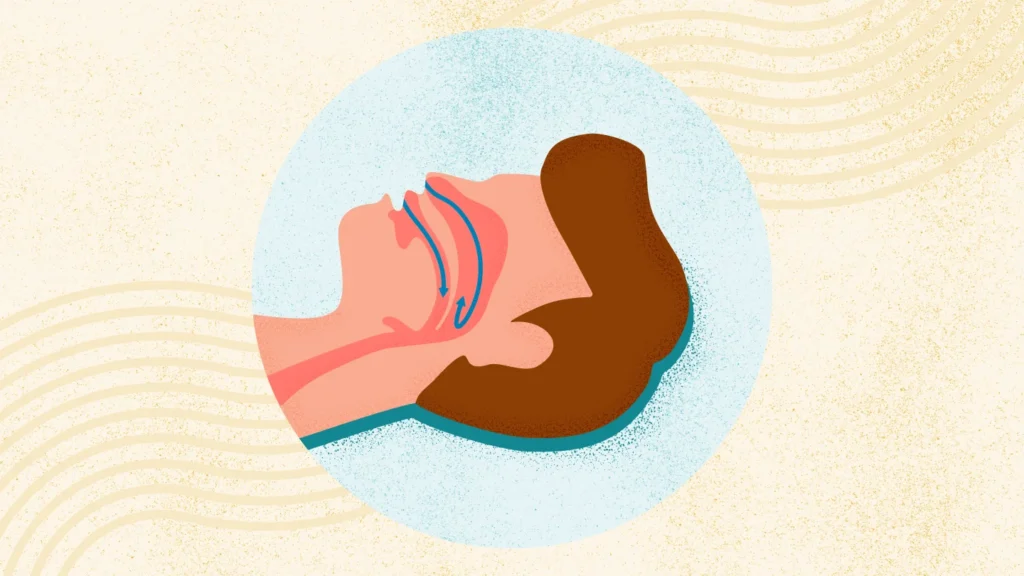
Snoring happens when airflow is partially blocked and soft tissues vibrate. Sometimes it’s mostly a sound problem. Other times, it’s a clue that breathing is being disrupted, which can fragment sleep for the snorer and anyone nearby.
It’s also why “sleep health” headlines keep circling back to bigger topics like sleep-disordered breathing. If you want a clinician-style overview of red flags and context, this search-style reference is a good starting point: Sleep apnea – Symptoms and causes.
What people are talking about right now
Sleep has become a “gear” category. People swap tips about wearables, nasal strips, white noise, and trending hacks like mouth taping. The cultural vibe is clear: everyone wants deeper sleep, faster. The problem is that not every trend is a fit for every body.
Meanwhile, travel is back on many calendars. Jet lag, hotel pillows, and late dinners can all turn mild snoring into a full-volume event. Add workplace stress and short nights, and your airway can become less forgiving.
Timing: when to take snoring seriously (and when to act fast)
If snoring is occasional—after a late night, a drink, or a stuffed nose—basic adjustments may be enough. If it’s frequent, loud, and paired with poor daytime energy, it’s time to treat it as a sleep health signal.
Act sooner if any of these show up
- Someone observes breathing pauses, choking, or gasping during sleep
- You wake with headaches, dry mouth, or feel unrefreshed most days
- You’re sleepy while driving, in meetings, or mid-afternoon
- Snoring is straining your relationship or forcing separate sleep setups
Those patterns can overlap with sleep apnea symptoms. You don’t need to self-diagnose. You do need to get evaluated if the signs are there.
Supplies: what you actually need to test an anti-snoring plan
You don’t need a drawer full of gadgets. You need a small set of tools that let you run a clean, repeatable experiment for your sleep.
- A simple tracker: phone notes, a sleep app, or a wearable—just pick one.
- A way to record snoring: a basic snore-recording app can help you compare nights.
- Comfort basics: nasal hygiene (saline rinse if you tolerate it), consistent pillow height, and a cool room.
- An anti snoring mouthpiece: ideally one designed for comfort and stability.
If you want a product option that combines two common approaches—jaw/oral support plus mouth-closure support—see this anti snoring mouthpiece.
Step-by-step (ICI): Identify → Change → Inspect
This is the fastest way to reduce guesswork. Run it for 10–14 nights so you don’t overreact to one weird evening.
1) Identify: find your snoring pattern
For 3 nights, don’t change anything. Track three things: bedtime, alcohol or late meals, and how you felt at noon the next day. If you share a room, ask your partner for a simple 1–5 snore score.
2) Change: make one meaningful move at a time
Pick one lever for 3–5 nights. Good first levers are boring, which is why they work.
- Side-sleep support: positional changes can reduce snoring for some people.
- Nasal comfort: address congestion so you’re not forced into open-mouth breathing.
- Earlier last call: alcohol close to bedtime can worsen snoring for some sleepers.
- Add an anti snoring mouthpiece: use it consistently so your body can adapt.
If you choose the mouthpiece route, aim for comfort and stability, not “toughing it out.” Discomfort makes you rip it out at 1 a.m., which ruins the experiment.
3) Inspect: judge results with the right scorecard
Don’t grade success only by volume. Use a three-part scorecard:
- Partner impact: fewer nudges, fewer wake-ups, less resentment.
- Your sleep quality: fewer awakenings, better morning energy.
- Consistency: improvement across multiple nights, not one lucky night.
Mistakes: what derails most anti-snoring attempts
Chasing trends instead of addressing airflow
Sleep trends move fast. Mouth taping, for example, gets attention because it’s simple and dramatic. But anything that changes breathing should be approached carefully, especially if you might have sleep-disordered breathing or nasal blockage.
Changing five things at once
New pillow, new supplement, new mouthpiece, new bedtime—then you can’t tell what helped. Make one change, then measure.
Ignoring daytime symptoms
Snoring is a night problem with daytime consequences. If you’re foggy, irritable, or dragging through meetings, treat that as part of the story.
Assuming “I’m not overweight, so it can’t be serious”
Body size can be a factor, but it’s not the only one. Anatomy, nasal airflow, alcohol, sleep position, and age can all play roles.
FAQ: quick answers people ask before buying a mouthpiece
Is it normal to snore more when I’m stressed or burned out?
It can happen. Stress often shortens sleep and increases fragmented nights, which can make snoring feel worse. It’s still worth addressing the underlying pattern.
What if my snoring is worse when traveling?
Travel can stack the deck: dry air, different pillows, late meals, and fatigue. Try to keep bedtime routines consistent and consider a travel-ready snoring plan.
Can a mouthpiece improve my partner’s sleep even if I don’t feel different?
Yes. Your partner may notice fewer disruptions first. Keep tracking your own energy and awakenings to see if you benefit too.
CTA: choose a simple next step (and don’t overcomplicate it)
If snoring is starting to cost you sleep quality—or peace at home—run a 2-week test with one clear intervention. For many people, an anti snoring mouthpiece is a practical place to start because it’s non-invasive and easy to evaluate.
How do anti-snoring mouthpieces work?
Medical disclaimer: This article is for general education and does not provide medical advice, diagnosis, or treatment. If you have symptoms that suggest sleep apnea (such as breathing pauses, choking/gasping, or excessive daytime sleepiness), talk with a qualified clinician for evaluation and guidance.