
On the last night of a work trip, “J” did the classic hotel routine: blackout curtains, white-noise app, and a shiny new sleep gadget that promised “deep rest.” The next morning, the only thing that felt deep was the exhaustion. Their partner’s text said it all: “Congrats on the promotion. Also, you snored like a leaf blower.”
That mix of travel fatigue, workplace burnout, and relationship humor is exactly why snoring is having a moment again. People want real sleep, not just more gear. If you’re searching for an anti snoring mouthpiece, here’s what’s trending, what matters medically, and how to test changes at home without overcomplicating it.
What people are talking about lately (and why it matters)
Snoring isn’t new. What’s new is how mainstream the conversation has become. You’ll see more coverage of sleep tech, more “best of” roundups for mouthguards, and more stories about small companies spending years refining anti-snoring devices before bringing them to market.
That cultural shift makes sense. Sleep is now tied to performance at work, mood, training, and even how tolerable you are to live with. When a problem affects your health and your household peace, it moves fast.
If you’re curious about the broader news cycle around new devices and research, scan this related coverage: Hampshire company invents and markets new anti-snoring device after years of research.
What matters medically: snoring vs. “just being tired”
Snoring happens when airflow turns noisy because soft tissues in the throat relax and vibrate. That can be harmless sometimes. It can also be a sign your airway is narrowing more than it should.
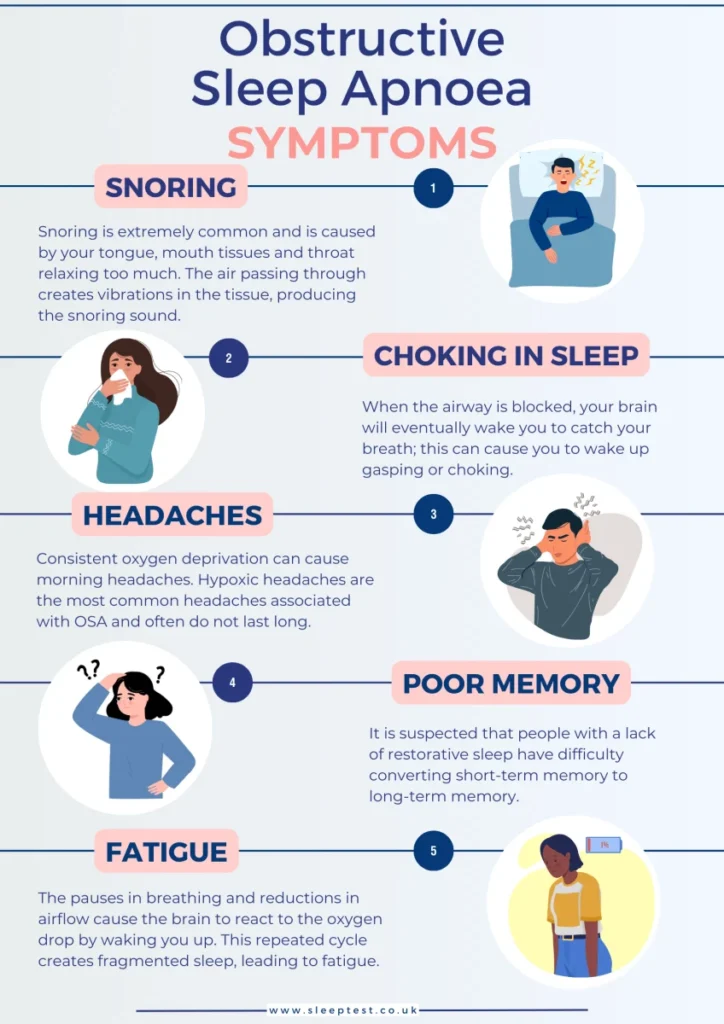
The key concern is obstructive sleep apnea (OSA), where breathing repeatedly reduces or stops during sleep. Not everyone who snores has OSA, but the overlap is big enough that it’s worth taking symptoms seriously.
Clues your snoring is affecting sleep quality
- You wake up unrefreshed, even after a “full” night.
- Morning headaches, dry mouth, or sore throat show up often.
- Your partner notices pauses, gasps, or choking sounds.
- You feel sleepy while driving, in meetings, or mid-afternoon.
Snoring also has a second-order effect: it fragments your partner’s sleep. That can turn into a household-wide fatigue problem fast.
How to try improvements at home (without a full lifestyle overhaul)
Think of this as a short experiment. You’re looking for quieter nights and better mornings, not perfection on day one.
Step 1: Do a quick “pattern check” for one week
- Track triggers: alcohol, late meals, congestion, and sleeping on your back often make snoring louder.
- Note context: travel, stress, and burnout can worsen sleep depth and muscle tone.
- Use a simple measure: “How rested do I feel?” plus any partner feedback.
Step 2: Try the easy levers first
- Side-sleeping support: pillow positioning or a body pillow can reduce back-sleeping.
- Nasal airflow: if you’re congested, addressing nasal blockage may reduce mouth breathing.
- Timing: heavy meals and alcohol close to bedtime can worsen snoring for many people.
Step 3: Consider an anti-snoring mouthpiece (the practical middle step)
Many popular anti-snoring mouthpieces are designed to keep the airway more open by gently repositioning the jaw (often called mandibular advancement) or stabilizing the tongue. The goal is less vibration and fewer airway “pinches” while you sleep.
If you’re comparing products, start with fit, comfort, and return policies. Look for clear cleaning instructions and materials you can tolerate nightly. For a starting point, see these anti snoring mouthpiece.
What “success” should feel like
- Less noise (or shorter snoring episodes).
- Fewer wake-ups and less dry mouth.
- Better daytime focus within 1–2 weeks.
Some adjustment effects are common at first, like drooling or mild jaw stiffness. Persistent pain, bite changes, or tooth discomfort are not something to push through.
When to stop DIY and get checked
Home experiments are fine for uncomplicated snoring. They are not a substitute for evaluation when symptoms point to sleep apnea or another sleep disorder.
Get medical advice soon if you notice:
- Breathing pauses, choking, or gasping during sleep (reported by you or a partner).
- Severe daytime sleepiness or drowsy driving.
- High blood pressure that’s hard to control.
- Worsening mood, memory, or concentration despite “enough” time in bed.
A clinician can assess risk and may recommend a sleep study. If sleep apnea is diagnosed, treatment options can include CPAP, oral appliances fitted by qualified professionals, and other targeted approaches.
FAQs people ask before buying a mouthpiece
Is an anti-snoring mouthpiece the same as a sports mouthguard?
No. Sports guards protect teeth from impact. Anti-snoring designs aim to influence jaw or tongue position to support airflow.
What if I breathe through my mouth at night?
Mouth breathing often connects to nasal blockage or sleep position. Improving nasal airflow and addressing congestion can help, and some mouthpieces may still be usable depending on design and comfort.
Can a mouthpiece replace CPAP?
Sometimes, but not always. For diagnosed sleep apnea, your best option depends on severity, anatomy, and adherence. A clinician can guide the decision.
CTA: make the next step simple
You don’t need a drawer full of gadgets to start sleeping better. If snoring is the loudest problem in your bedroom, a well-chosen mouthpiece can be a reasonable next experiment—especially when paired with basic sleep habits.
How do anti-snoring mouthpieces work?
Medical disclaimer: This article is for general education and is not medical advice. Snoring can be a sign of obstructive sleep apnea or other conditions. If you have breathing pauses, gasping, significant daytime sleepiness, or other concerning symptoms, seek evaluation from a qualified healthcare professional.