
Myth: Snoring is just a harmless sound effect.
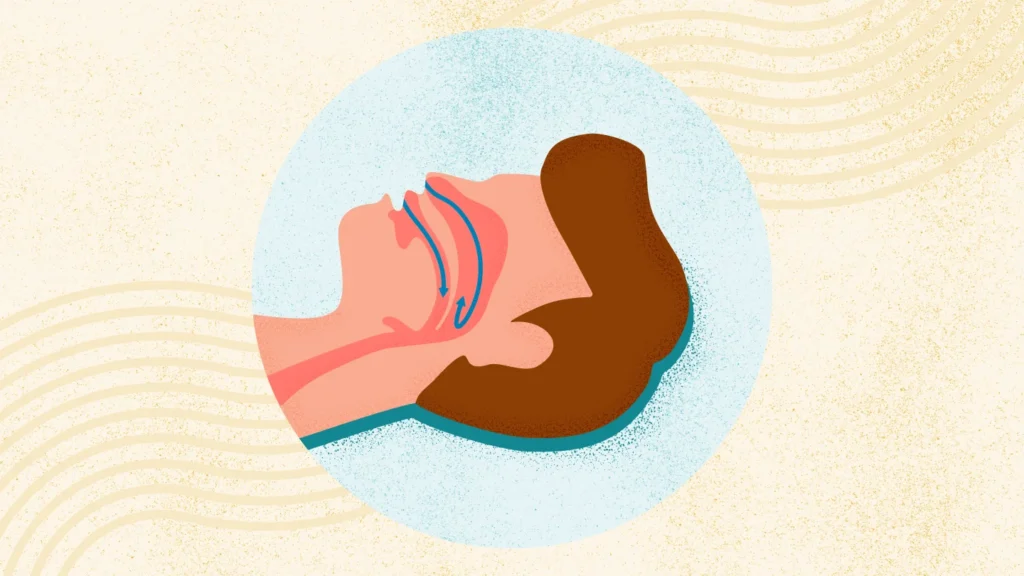
Reality: Snoring can wreck sleep quality for two people at once, and it can sometimes flag a bigger breathing problem. With sleep gadgets trending, burnout piling up, and travel fatigue turning hotel rooms into echo chambers, people are hunting for practical fixes that don’t require a full lifestyle reboot.
If you’re seeing roundups of anti-snore devices and mouthpieces everywhere, you’re not imagining it. The cultural moment is “optimize sleep,” but the smart move is simpler: screen for red flags first, then try low-risk steps in a clean, documented way.
Overview: what an anti snoring mouthpiece is (and isn’t)
An anti snoring mouthpiece is typically a small oral device worn at night. Many designs aim to keep your airway more open by positioning the lower jaw or stabilizing the tongue.
It’s not a cure-all. Snoring can come from sleep position, alcohol, congestion, weight changes, or anatomy. And sometimes snoring overlaps with sleep apnea symptoms, which deserves medical attention.
Quick safety screen (don’t skip this)
- Get checked if you have choking/gasping, witnessed breathing pauses, or heavy daytime sleepiness.
- Be cautious with mouthpieces if you have TMJ issues, loose teeth, gum disease, or significant dental work.
- Document your baseline: bedtime, wake time, how you feel, partner feedback, and any morning jaw soreness.
For a plain-language overview of sleep apnea symptoms and causes, review this resource from a major medical organization: We Consulted Sleep Doctors To Find The 4 Best Anti-Snore Devices.
Timing: when to try a mouthpiece (and when to pause)
Good time to try: your snoring is frequent, your sleep feels light, your partner is elbowing you at 2 a.m., and basic steps (side sleeping, less alcohol near bedtime, treating temporary congestion) aren’t enough.
Press pause: you wake up with headaches, you doze off easily during the day, or someone notices breathing pauses. That pattern calls for screening, not just gear.
Also consider your calendar. If you’re about to travel for work, start testing at home first. New sleep gadgets plus jet lag is a messy experiment.
Supplies: what you need for a safe, low-drama setup
- Your mouthpiece and its case
- Mild soap and a soft toothbrush (or brand-approved cleaner)
- A note on your phone for tracking results (2 minutes per morning)
Hygiene matters. A mouthpiece is a nightly wearable that sits in a warm, moist environment. Treat it like a retainer: clean it, dry it, store it properly.
Step-by-step (ICI): Install → Check → Improve
1) Install: fit and comfort first
Follow the manufacturer instructions exactly. If it’s boil-and-bite, don’t freestyle the timing. If it’s adjustable, change one setting at a time.
Start with comfort as the goal. Over-tightening to “force results” often backfires with jaw pain and abandonment by night three.
2) Check: verify it’s helping (not just new)
Run a simple 7-night check:
- Nightly: note alcohol use, congestion, and sleep position.
- Morning: rate snoring (partner score or a simple recording), dryness, jaw soreness, and how rested you feel.
Look for trend lines, not one-night miracles. Workplace burnout can make any night feel rough, even if snoring improves.
3) Improve: adjust in small steps
- If you’re sore: back off adjustments, shorten wear time, and reassess.
- If you’re still loud: confirm you’re wearing it consistently and sleeping position isn’t undoing the benefit.
- If symptoms suggest apnea: stop self-experimenting and get screened.
If you want to compare device styles and fit approaches, start here: anti snoring mouthpiece.
Mistakes that waste money (and annoy your jaw)
Cranking it tighter on day one
More pressure isn’t automatically more airway. It’s often more pain. Slow adjustments are safer and easier to stick with.
Ignoring dental and gum health
Bleeding gums, loose teeth, or unmanaged TMJ issues can turn a simple trial into a bigger problem. If your mouth isn’t stable, fix that first.
Skipping cleaning and storage
“It’s fine” becomes “why does this smell weird?” quickly. Clean it daily, let it dry, and store it in a ventilated case.
Not writing anything down
Sleep is slippery to remember. A basic log reduces guesswork and helps you explain what you tried if you later talk with a dentist or clinician.
FAQ: quick answers people ask right now
Is snoring always a health problem?
No. But it can signal sleep-disordered breathing in some people, especially when paired with daytime sleepiness or witnessed pauses.
Will a mouthpiece help travel snoring?
It can, but test it at home first. Travel fatigue, alcohol at dinners, and unfamiliar pillows can change your snoring pattern.
What if my partner says it’s “still loud”?
Confirm consistent use, check sleeping position, and review congestion or alcohol timing. If it’s persistent and you feel unrefreshed, get screened.
CTA: make the next step simple
You don’t need a full drawer of sleep gadgets to make progress. Start with safety screening, then run a clean 7-night trial with one device and a basic log.
How do anti-snoring mouthpieces work?
Medical disclaimer: This article is for general information and does not provide medical advice or a diagnosis. If you suspect sleep apnea or have persistent symptoms (gasping, pauses in breathing, significant daytime sleepiness, or ongoing jaw/tooth pain), talk with a qualified healthcare professional.