
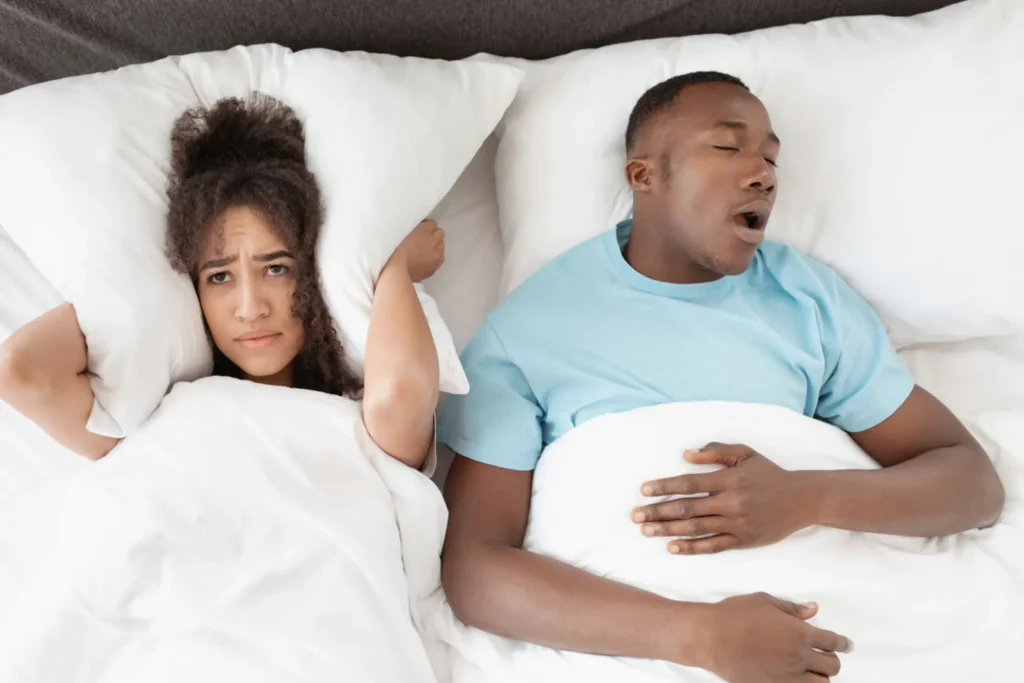
Snoring isn’t just noise. It’s a mood, a morning problem, and sometimes a relationship argument.
Lately, sleep “fixes” are trending like phone upgrades. Some are helpful. Some are risky.
If you want better sleep quality, focus on proven habits and safer tools—then use an anti snoring mouthpiece only when it fits your situation.
What people are trying right now (and why it’s relatable)
Sleep gadgets are having a moment. Wearables score your night. Apps coach your breathing. Travelers swap “jet lag routines” in group chats. Burned-out coworkers talk about sleep like it’s a second job.
In the middle of all that, snoring becomes the nightly wildcard. It can turn a hotel room into a comedy sketch. At home, it can feel less funny at 2 a.m.
The mouth-taping trend: why it keeps popping up
Mouth taping shows up in headlines because it sounds simple: tape, sleep, wake up “optimized.” The problem is that sleep isn’t a DIY lab.
Some doctors have warned against taping your mouth shut at night, especially if you don’t know why you’re mouth-breathing. If you’re congested, have an airway issue, or possibly have sleep apnea, restricting airflow can backfire. For a general overview of those concerns, see Why Doctors Say You Shouldn’t Tape Your Mouth Shut at Night.
Why couples care more than ever
Snoring often isn’t a solo issue. One person loses sleep. The other feels blamed for something they can’t hear.
Add travel fatigue, stressful work cycles, and “always on” schedules, and patience gets thin fast. A better plan starts with teamwork, not shame.
What matters medically (without the drama)
Snoring happens when airflow is partially blocked and soft tissues vibrate. That blockage can come from nose congestion, throat anatomy, sleep position, alcohol, or weight changes.
Sometimes, snoring is also a sign of obstructive sleep apnea. That’s when breathing repeatedly stops or becomes very shallow during sleep. It’s linked with symptoms like loud snoring, gasping or choking, and significant daytime sleepiness. If those sound familiar, don’t guess—get evaluated.
Sleep quality isn’t just “hours in bed”
You can log eight hours and still feel wrecked. Fragmented sleep can leave you foggy, irritable, and craving caffeine.
That’s why snoring matters. Even when it’s “not dangerous,” it can still disrupt rest for one or both partners.
How to try at home (simple, low-risk steps first)
Start with changes that don’t require buying anything. These are also easier to do as a couple, which reduces tension.
Quick reset checklist for tonight
- Side-sleep setup: Use a supportive pillow or a body pillow to reduce back-sleeping.
- Alcohol timing: If you drink, avoid it close to bedtime. It can relax airway muscles and worsen snoring.
- Clear the nose: If you’re congested, address that first with gentle options (like saline rinse or a shower). Don’t force nasal breathing.
- Bedroom basics: Cooler room, darker space, consistent bedtime. Small changes add up.
Where an anti snoring mouthpiece can fit
An anti snoring mouthpiece is often designed to hold the jaw in a position that may help keep the airway more open. Many people look at these devices after they’ve tried position changes and still snore.
If you’re shopping, focus on comfort, adjustability, and clear safety guidance. If you want a starting point, see anti snoring mouthpiece and compare features that match your needs.
Relationship tip: make it a “sleep experiment,” not a verdict
Agree on a two-week trial with one change at a time. Track two things: snoring volume (partner rating is fine) and how you feel in the morning.
That keeps the conversation practical. It also lowers the pressure that can make bedtime tense.
When to stop self-testing and get help
Snoring deserves medical attention when it comes with red flags. You’re not overreacting by checking.
Consider a medical evaluation if you notice:
- Choking, gasping, or pauses in breathing during sleep
- Excessive daytime sleepiness, morning headaches, or brain fog
- High blood pressure or heart risk factors alongside loud snoring
- Snoring that suddenly worsens or changes
- Jaw pain, tooth pain, or bite changes with any oral device
A clinician can screen for sleep apnea and other causes. If an oral appliance is appropriate, a dentist trained in sleep medicine can help with fit and follow-up.
FAQ: fast answers for better nights
Is mouth taping a good idea for snoring?
It’s trending, but it can be risky—especially if you have nasal blockage or possible sleep apnea. If you’re curious, talk with a clinician rather than trying to “hack” breathing overnight.
Will a mouthpiece fix snoring immediately?
Some people notice improvement quickly. Others need adjustments or find it doesn’t help because their snoring source is different.
Can stress and burnout make snoring worse?
Stress can worsen sleep quality and increase behaviors that trigger snoring (like alcohol use, irregular sleep, or weight changes). It may not be the sole cause, but it can contribute.
Next step: pick a safer, calmer plan
Snoring doesn’t have to become a nightly fight. Choose one low-risk change, measure results, and escalate thoughtfully.
How do anti-snoring mouthpieces work?
Medical disclaimer: This article is for general education and is not medical advice. Snoring can have many causes, including sleep apnea. If you have breathing pauses, choking/gasping, significant daytime sleepiness, chest pain, or ongoing concerns, seek evaluation from a qualified healthcare professional.