
Snoring: A Warning Sign for Your Heart’s Health
Snoring is a common problem that affects millions of people worldwide. While it may seem like a minor annoyance, snoring can actually be a warning sign for a more serious health issue: heart disease. In this blog post, we will explore the connection between snoring and heart health, and why it’s important to address snoring before it leads to more serious consequences.
What is Snoring?
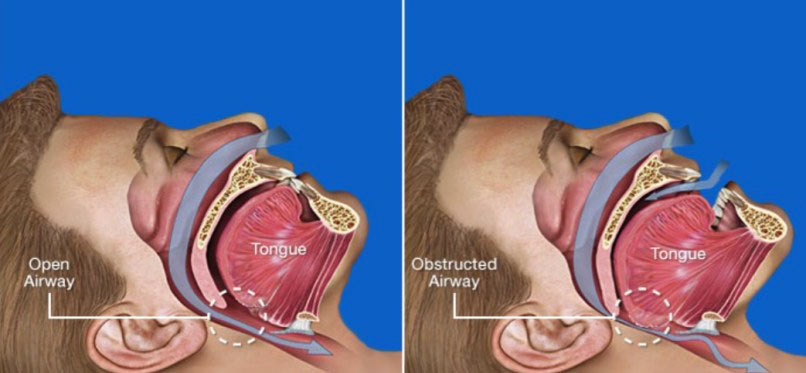
Snoring is a sound that occurs when air cannot move freely through your nose and throat while you sleep. This causes the surrounding tissues to vibrate, resulting in the loud, irritating noise we all know. While snoring can happen occasionally due to factors such as allergies or a stuffy nose, chronic snoring – occurring at least three nights a week – is a sign of a more serious issue.
The Link between Snoring and Heart Health
While snoring itself is not a direct cause of heart disease, it can be a warning sign of underlying health issues that can increase your risk of heart problems. One of the main concerns is obstructive sleep apnea, a condition where the airway becomes partially or completely blocked during sleep, leading to pauses in breathing. This can result in low oxygen levels in the blood and cause strain on the heart.
Obstructive sleep apnea is strongly associated with high blood pressure, a major risk factor for heart disease. The repetitive pauses in breathing during sleep can cause blood pressure to spike, putting unnecessary strain on the heart. Over time, this can lead to an increased risk of heart attack, stroke, and other cardiovascular issues.
In addition, snoring can also disrupt your sleep patterns, leading to poor sleep quality and daytime fatigue. This can result in a lack of energy for physical activity, which is crucial for maintaining a healthy heart. Lack of exercise and a sedentary lifestyle are also risk factors for heart disease.
Addressing Snoring for a Healthy Heart
Snoring: A Warning Sign for Your Heart's Health
If you or your partner snore regularly, it’s important to address the issue before it leads to more serious health problems. Here are some steps you can take to tackle snoring and improve your heart health:
1. Identify the underlying cause: As mentioned earlier, snoring can be caused by a variety of factors such as allergies, nasal congestion, or excess weight. Identifying the root cause of your snoring can help you find the most effective solution.
2. Maintain a healthy weight: Excess weight, especially around the neck area, can put pressure on the airway and lead to snoring. Maintaining a healthy weight through a balanced diet and regular exercise can help reduce snoring and improve heart health.
3. Practice good sleep hygiene: Poor sleep habits such as smoking, drinking alcohol, or consuming heavy meals before bedtime can contribute to snoring. Avoiding these habits and creating a comfortable sleep environment can help improve the quality of your sleep.
4. Consider a snoring aid: There are various devices and products available that can help reduce snoring, such as nasal strips, mouthpieces, and throat sprays. Consult with your doctor to find the best option for you.
5. Seek medical help: If your snoring is severe and affecting your quality of life, it’s important to seek medical help. Your doctor may recommend a sleep study to diagnose any underlying sleep disorders and provide treatment options.
In conclusion, snoring may seem like a minor issue, but it can be a warning sign for your heart’s health. It’s important to address snoring and any underlying sleep disorders to reduce the risk of heart disease and other serious health issues. By maintaining a healthy lifestyle and seeking medical help when needed, you can improve your sleep quality and ultimately, your heart health.
Summary:
Snoring is a common problem that affects many people, but it may also be a warning sign for a more serious health issue: heart disease. Chronic snoring can be a sign of obstructive sleep apnea, a condition that can lead to high blood pressure and increase the risk of heart problems. It’s important to address snoring and any underlying sleep disorders to maintain a healthy heart. Steps such as identifying the cause, maintaining a healthy weight, practicing good sleep habits, and seeking medical help can help reduce snoring and improve heart health.