
Is your snoring just “annoying,” or could it be something more?
Do you really need another sleep gadget, or is a simple mouthpiece the better buy?
Can you improve sleep quality at home without wasting a full month experimenting?
Yes, you can make progress quickly. But you’ll do best with a short, practical plan: figure out what kind of snoring you likely have, pick a device that matches it, and know when to stop DIY and get checked.
Is it normal snoring, or a sign you should get evaluated?
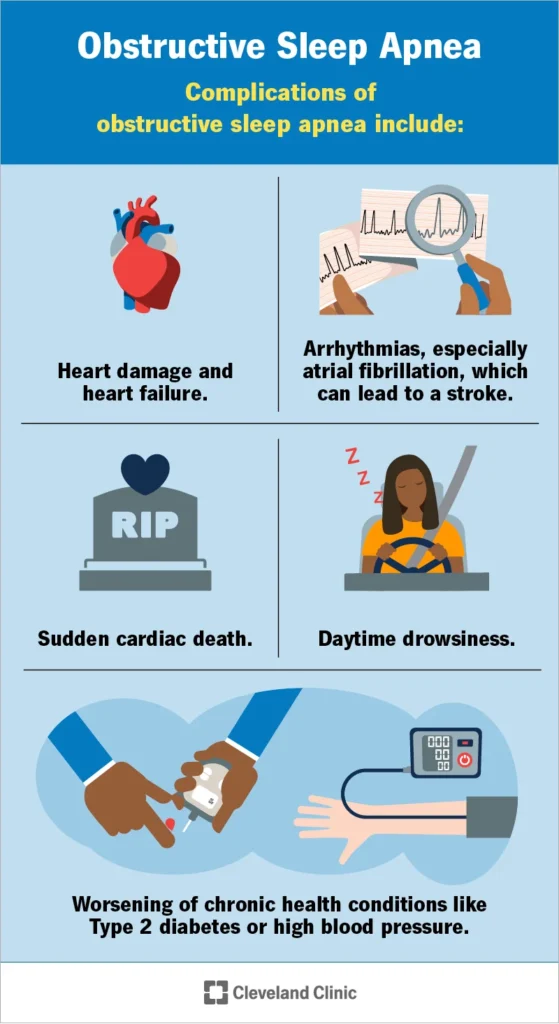
Snoring sits on a spectrum. On one end, it’s positional or congestion-related and mostly a noise problem. On the other end, it can overlap with sleep-disordered breathing, including obstructive sleep apnoea.
If the conversation online feels louder lately, that tracks. More people are comparing notes after travel fatigue, burnout-heavy work weeks, and wearable sleep scores that suddenly look “bad.” A partner’s nudge at 2 a.m. also has a way of making sleep health feel urgent.
Quick red flags that should change your plan
- Witnessed pauses in breathing, choking, or gasping
- Strong daytime sleepiness, morning headaches, or high irritability
- High blood pressure concerns or new heart-health worries
- Snoring that is loud, frequent, and getting worse
If any of these show up, consider talking with a clinician or a sleep specialist. This is also a good moment to skim a credible explainer on Mouth Tape for Sleep: Benefits, Risks, and How to Use It Safely before you spend money on fixes that can’t address the real issue.
Why are anti-snore devices everywhere right now?
Sleep is having a “moment.” People are buying trackers, trying new routines, and swapping tips in group chats. Some hacks are harmless, some are questionable, and a few are genuinely useful.
You’ll see everything from chin straps and belts to mouth tape to mouthpieces. Lists of “best devices” make it feel like there’s one winner. In reality, the right choice depends on what’s driving your snoring and what you’ll actually tolerate at 1 a.m.
Trend check: mouth tape and other viral fixes
Mouth taping gets attention because it sounds simple. It may help some people who mouth-breathe due to habit, but it isn’t a universal answer. If your nose is blocked or you might have sleep apnoea, it can be a bad match. When a fix restricts airflow, caution matters.
How does an anti snoring mouthpiece fit into a practical plan?
An anti snoring mouthpiece is often designed to keep the airway more open by changing jaw or tongue position during sleep. Many are mandibular advancement-style devices that gently bring the lower jaw forward. That can reduce tissue vibration that creates snoring in some people.
Think of it like adjusting the “alignment” of your sleep posture from the inside. It’s not flashy, and it doesn’t need an app. It can be a budget-friendly step if your snoring is frequent and your partner is ready to relocate to the couch.
Who tends to like mouthpieces (and who doesn’t)
- Often a good fit: habitual snorers, especially if snoring is worse on the back; people who want a portable option for travel.
- May struggle: people with significant jaw pain, active TMJ issues, or poor tolerance for anything in the mouth.
How do you choose without overspending?
Use a simple filter: pick the least complicated option that matches your likely cause of snoring, then test it consistently.
What to compare in a mouthpiece
- Adjustability: small changes can affect comfort and results.
- Fit style: boil-and-bite vs more structured designs.
- Comfort details: bulk, airflow openings, and how it feels on the gums.
- Support options: clear instructions and realistic expectations.
When a combo approach makes sense
If your snoring seems tied to both jaw position and mouth opening, a paired setup can be appealing. For example, some shoppers look for an anti snoring mouthpiece to keep things stable through the night.
That said, more gear isn’t always better. Comfort and consistency beat an overbuilt setup you abandon by day three.
What can you do tonight to improve sleep quality (without a full life overhaul)?
Snoring and sleep quality feed each other. Poor sleep increases sensitivity to noise and stress. Stress then makes sleep lighter. That loop shows up fast during busy seasons, after long flights, or in peak burnout stretches.
Low-effort moves that pair well with a mouthpiece
- Side-sleep support: a pillow behind your back can reduce back-sleeping.
- Clear the nose first: if you can’t breathe through your nose comfortably, many “mouth solutions” disappoint.
- Cut the late-night pile-on: heavy meals and alcohol close to bedtime can worsen snoring for some people.
- Protect the wind-down: even 20 minutes of lower light and less scrolling can help you stay asleep.
How fast should you expect results, and what’s a fair test window?
Give a new mouthpiece a short, structured trial. Many people can tell within a few nights if snoring volume changes. Comfort can take longer.
A simple 10-night test (no spreadsheets needed)
- Nights 1–3: focus on comfort and fit. Stop if you have sharp pain.
- Nights 4–7: look for consistency. Ask your partner for a simple “better/same/worse.”
- Nights 8–10: decide if it’s worth keeping, adjusting, or replacing.
If symptoms suggest sleep apnoea, don’t use a mouthpiece as a way to avoid evaluation. Use it only as part of a bigger plan guided by a professional.
FAQ
Can an anti snoring mouthpiece help right away?
Some people notice improvement quickly, but comfort and optimal positioning often take a week or two.
What’s the difference between a mouthguard and a mandibular advancement device?
A mouthguard mainly protects teeth. Many anti-snoring mouthpieces are designed to reposition the jaw or tongue to reduce snoring.
Is snoring always a sign of sleep apnoea?
No. But snoring plus choking/gasping, pauses, or major daytime sleepiness deserves medical attention.
Are trendy fixes like mouth tape safe for everyone?
No. If you suspect sleep apnoea or have nasal obstruction, it may be risky. When in doubt, get clinical guidance.
What if my jaw feels sore with a mouthpiece?
Mild soreness can happen early. Persistent pain, headaches, or bite changes are reasons to stop and consult a professional.
Ready to get a clear answer?
If you want to understand the basics before you buy, start here:
How do anti-snoring mouthpieces work?
Medical disclaimer: This article is for general education and does not provide medical advice, diagnosis, or treatment. If you suspect sleep apnoea, have chest pain, severe daytime sleepiness, or persistent symptoms, seek care from a qualified clinician.