
Snoring and Allergies: A Guide to Identifying Triggers
Snoring is a common problem that affects millions of people worldwide. It can be disruptive to both the snorer and their sleeping partner, leading to poor sleep quality and various health issues. While snoring can be caused by a variety of factors, one of the most common triggers is allergies. In this blog post, we will explore the connection between snoring and allergies, and provide a guide to identifying the triggers that may be causing your snoring.
What are allergies?
Allergies are a hypersensitive reaction of the body’s immune system to a substance that is normally harmless. These substances, known as allergens, can trigger a range of symptoms such as sneezing, itchy eyes, and congestion. Common allergens include pollen, dust mites, pet dander, and certain foods.
The connection between snoring and allergies
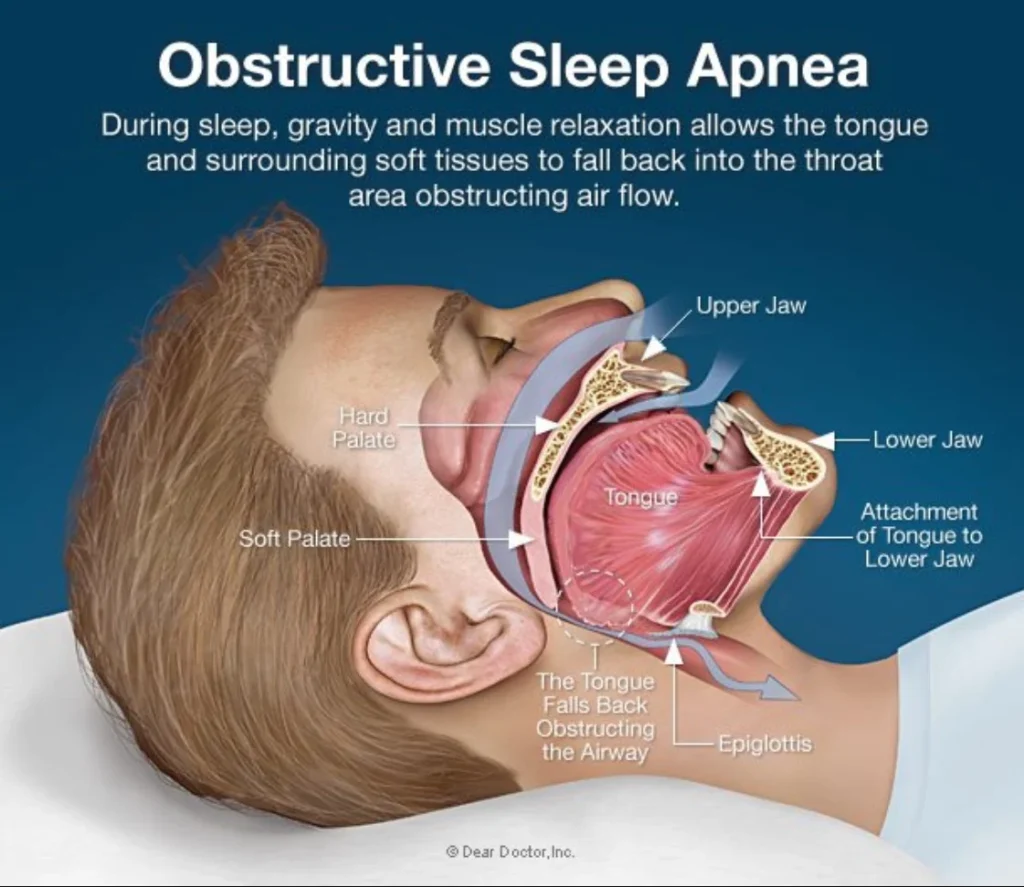
When we breathe in an allergen, our immune system reacts by producing histamine, which causes inflammation in the nasal passages and throat. This inflammation can lead to congestion, making it difficult for air to flow freely through the airways. This obstruction can result in snoring, as the air struggles to pass through the narrowed passages.
Identifying the triggers
The first step in identifying the triggers of your snoring is to pay attention to your symptoms and when they occur. If you notice that your snoring increases during certain times of the year, it may be a sign of seasonal allergies. On the other hand, if your snoring is a year-round issue, it may be due to indoor allergens such as dust mites or pet dander.
It can also be helpful to keep a sleep diary, noting any changes in your snoring patterns and any potential triggers that may have caused it. This will provide valuable information for your doctor when trying to identify the cause of your snoring.
Allergy testing
If you suspect that your snoring is caused by allergies, it is important to get tested to determine which allergens are triggering your symptoms. Allergy testing can be done through a skin prick test or a blood test. Once you know your specific allergens, you can take steps to avoid them and potentially reduce your snoring.
Managing allergies to reduce snoring
There are several steps you can take to manage your allergies and potentially reduce your snoring.
1. Keep your bedroom clean
Snoring and Allergies: A Guide to Identifying Triggers
Regularly cleaning your bedroom can help reduce the amount of allergens in your sleeping environment. Vacuuming carpets and dusting surfaces can remove dust mites, while washing bedding in hot water can eliminate any pet dander or pollen.
2. Invest in an air purifier
An air purifier can help filter out allergens from the air in your bedroom. Look for one with a HEPA filter, which can capture particles as small as 0.3 microns.
3. Use allergy-proof bedding
Allergy-proof bedding, such as mattress and pillow covers, can create a barrier between you and any potential allergens. This can help reduce your exposure to allergens while you sleep.
4. Keep pets out of the bedroom
If you are allergic to pet dander, it is best to keep your furry friends out of the bedroom. This will ensure that your sleeping space is free from any pet allergens.
5. Try nasal strips or sprays
Nasal strips or sprays can help open up your nasal passages, making it easier to breathe and reducing snoring. These can be particularly helpful if your snoring is caused by congestion from allergies.
6. Consider allergy shots
For severe allergies, your doctor may recommend allergy shots, also known as immunotherapy. These shots contain small amounts of the allergen and can help your body build up immunity to it over time.
Conclusion
Snoring and allergies are closely linked, and identifying the triggers of your allergies can help reduce your snoring. By paying attention to your symptoms, keeping a sleep diary, and getting tested for allergies, you can take steps to manage your allergies and potentially improve your sleep.
In summary, snoring is often caused by allergies, which can lead to inflammation and congestion in the nasal passages and throat. To identify the triggers of your snoring, pay attention to your symptoms and consider getting allergy testing. Taking steps to manage your allergies, such as keeping your bedroom clean and using allergy-proof bedding, can potentially reduce your snoring and improve your sleep.