
Blog Post Title: Snoring and Allergies: How to Create a Sleep-Friendly Environment
Snoring and allergies are two common sleep disruptors that can greatly affect the quality of our sleep. Not only can they lead to a restless night, but they can also have long-term health consequences if left untreated. However, there are ways to create a sleep-friendly environment that can help alleviate these issues and promote a better night’s sleep.
What Causes Snoring and Allergies?
Before we dive into creating a sleep-friendly environment, it’s important to understand the root causes of snoring and allergies. Snoring occurs when the airway becomes partially blocked, causing vibrations in the throat and resulting in the familiar snoring sound. This can be caused by various factors such as excess weight, alcohol consumption, and sleep position.
On the other hand, allergies are the body’s reaction to foreign substances, such as pollen, dust, or pet dander. When these allergens are inhaled, they can trigger an immune response, leading to symptoms such as sneezing, coughing, and congestion. Allergies can also contribute to snoring by causing nasal congestion and inflammation of the airways.
How to Create a Sleep-Friendly Environment
1. Keep a Clean Bedroom
One of the best ways to combat both snoring and allergies is to keep your bedroom clean and dust-free. Regularly dusting and vacuuming can help reduce the presence of allergens in your sleeping environment. It’s also important to wash your bedding and pillowcases frequently to get rid of any dust mites or other allergens that may have accumulated.
2. Invest in an Air Purifier
An air purifier can be a game-changer for those who suffer from allergies. It works by filtering the air and trapping allergens, such as dust, pollen, and pet dander. This can significantly improve the air quality in your bedroom and help reduce allergy symptoms. Look for an air purifier with a high-efficiency particulate air (HEPA) filter for the best results.
3. Use a Humidifier
Dry air can worsen snoring and allergies by causing congestion and inflammation in the airways. Using a humidifier in your bedroom can add moisture to the air, making it easier to breathe and reducing snoring and allergy symptoms. Just be sure to clean your humidifier regularly to prevent the growth of mold and bacteria.
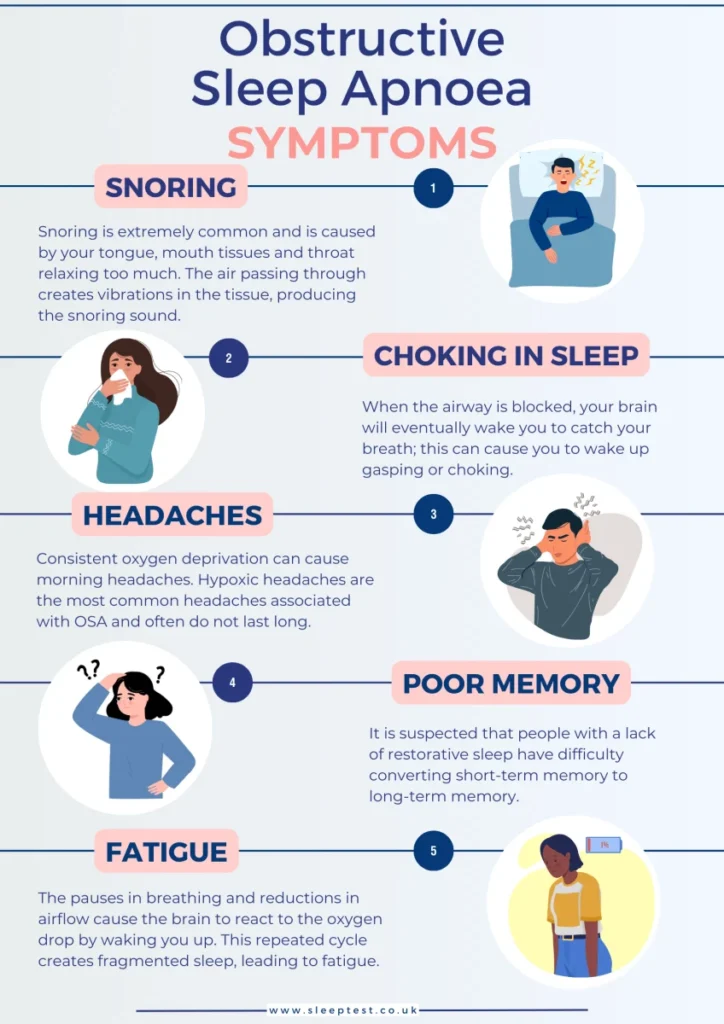
Snoring and Allergies: How to Create a Sleep-Friendly Environment
4. Eliminate Potential Allergens
Identifying and eliminating potential allergens in your bedroom can also greatly improve your sleep environment. This may include getting rid of houseplants, using hypoallergenic bedding, and keeping pets out of the bedroom. If you have severe allergies, you may also want to consider removing carpeting and opting for hardwood or tile flooring instead.
5. Try Nasal Strips or Sprays
For snoring caused by nasal congestion, nasal strips or sprays can be helpful. Nasal strips work by opening up the nasal passages, while nasal sprays help reduce inflammation and congestion. It’s important to consult with a doctor before using these products to ensure they are safe and effective for you.
6. Maintain a Healthy Weight
Excess weight can contribute to snoring by putting pressure on the airways, making it harder to breathe. It’s important to maintain a healthy weight through a balanced diet and regular exercise to reduce the risk of snoring and other health issues. Losing weight can also help alleviate allergy symptoms, as excess fat cells can produce inflammatory chemicals that worsen allergies.
7. Avoid Alcohol and Smoking
Both alcohol and smoking can relax the muscles in the throat, leading to snoring. They can also worsen allergies by irritating the airways and increasing inflammation. Cutting back on alcohol consumption and quitting smoking can greatly improve your sleep and overall health.
8. Consider Allergy Medications
If allergies are significantly impacting your sleep, it may be worth considering allergy medications. There are various over-the-counter and prescription options available, such as antihistamines and nasal corticosteroids. Consult with a doctor to determine the best course of treatment for your specific allergies.
In Summary
Snoring and allergies can greatly disrupt our sleep and have negative impacts on our overall health. However, by creating a sleep-friendly environment and implementing lifestyle changes, we can reduce the severity of these issues and promote better sleep. Keep a clean bedroom, invest in air purifiers and humidifiers, eliminate potential allergens, and consider medical interventions to alleviate snoring and allergies.