
Snoring and Gum Disease: What’s the Connection?
Snoring is often seen as a nuisance, causing disruptions to a good night’s sleep for both the snorer and their partner. But aside from the annoyance, snoring can also have serious health implications. One of the lesser-known connections is between snoring and gum disease. While it may seem like an unlikely pairing, research has shown that there is a strong link between these two seemingly unrelated issues.
What is Snoring?
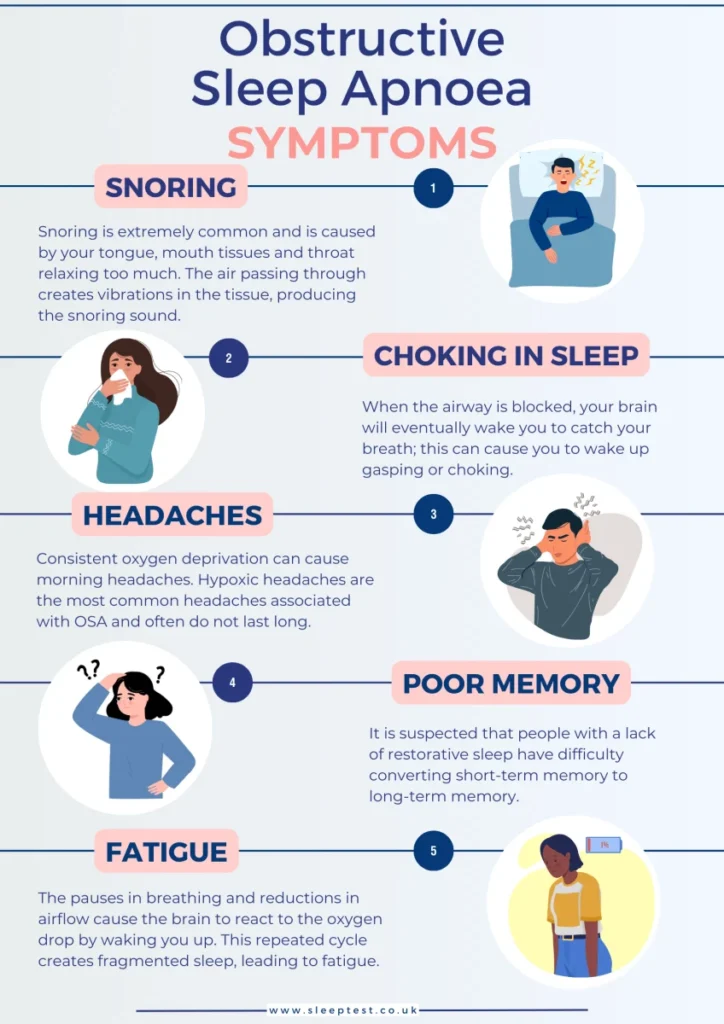
To understand the connection between snoring and gum disease, it’s important to first understand what snoring is. Snoring is the sound created by the vibration of tissues in the airway as a person breathes during sleep. This can be caused by a variety of factors, including nasal congestion, obesity, and the anatomy of one’s mouth and throat. It is estimated that about 45% of adults snore at least occasionally, and 25% snore regularly.
What is Gum Disease?
Gum disease, also known as periodontal disease, is an infection of the tissues and bones that support the teeth. It is caused by the buildup of plaque on the teeth, which can lead to inflammation and infection if not properly treated. Symptoms of gum disease include red, swollen, or bleeding gums, bad breath, and loose teeth. If left untreated, gum disease can lead to tooth loss and other serious health issues.
The Connection Between Snoring and Gum Disease
Snoring and Gum Disease: What's the Connection?
So how are snoring and gum disease related? One of the main connections is through the breathing patterns of snorers. When a person snores, they often breathe through their mouth instead of their nose. This can lead to a dry mouth, which in turn can cause a decrease in saliva production. Saliva plays a crucial role in keeping the mouth clean and healthy by washing away food particles and bacteria. When there is a lack of saliva, bacteria can build up, leading to an increased risk of gum disease.
Additionally, snoring can also contribute to the development of gum disease through the vibrations caused by the tissues in the airway. These vibrations can cause damage to the delicate tissues in the mouth, making them more susceptible to infection. This can also lead to inflammation, which can further increase the risk of gum disease.
Furthermore, snoring can also lead to a decrease in oxygen levels in the body. This lack of oxygen can cause damage to the blood vessels and tissues in the mouth, making it difficult for the body to fight off infections such as gum disease.
Treating Snoring to Help Prevent Gum Disease
Fortunately, there are ways to reduce snoring and in turn, decrease the risk of gum disease. One of the most effective ways is by using a continuous positive airway pressure (CPAP) machine. This machine delivers a steady stream of air through a mask worn over the nose and mouth, keeping the airway open and reducing snoring. Other treatments for snoring include oral appliances, lifestyle changes such as weight loss, and in some cases, surgery.
In addition to treating snoring, it is also important to maintain good oral hygiene to prevent gum disease. This includes brushing and flossing regularly, using an antibacterial mouthwash, and visiting the dentist for regular cleanings and check-ups. In some cases, a dentist may also recommend a deep cleaning or other treatments to help prevent or manage gum disease.
So while snoring may seem like a harmless annoyance, it is important to address it to not only improve sleep quality but also to protect against the development of gum disease.
In summary, snoring and gum disease may seem like unrelated issues, but there is a strong connection between the two. Snoring can contribute to the development of gum disease through decreased saliva production, damage to tissues in the mouth, and a decrease in oxygen levels. By treating snoring and maintaining good oral hygiene, the risk of gum disease can be greatly reduced.