
Title: Snoring and Heart Health: A Wake-Up Call
Snoring is often seen as a harmless annoyance, but it may actually be a wake-up call for a more serious underlying issue: heart health. While snoring is a common problem, it can be a symptom of obstructive sleep apnea (OSA), a condition that can greatly impact heart health. In this blog post, we will delve into the connection between snoring and heart health, the potential risks, and ways to address the issue.
Understanding Snoring
First, let’s understand what snoring is. Snoring is the sound that occurs when air cannot move freely through the nose and throat during sleep. The tissues in the throat vibrate, resulting in the characteristic snoring sound. While it may be disruptive for bed partners, snoring is generally not harmful on its own. However, it can be a sign of a more serious condition, such as OSA.
The Link Between Snoring and Heart Health
Obstructive sleep apnea occurs when the airway is partially or completely blocked during sleep, causing pauses in breathing and low oxygen levels. This can lead to a variety of health issues, including high blood pressure, heart disease, and stroke. In fact, studies have shown that people with OSA are at a higher risk of developing cardiovascular disease, and the more severe the OSA, the greater the risk.
The reason for this connection is that when the airway is blocked, the body is not getting enough oxygen. This causes the heart to work harder to pump blood and can lead to an increase in blood pressure. Over time, this extra strain on the heart can contribute to the development of heart disease.
Furthermore, OSA can also lead to inflammation and damage to the blood vessels, increasing the risk of atherosclerosis (build-up of plaque in the arteries) and heart attack. OSA has also been linked to irregular heart rhythms and heart failure.
Identifying and Addressing OSA
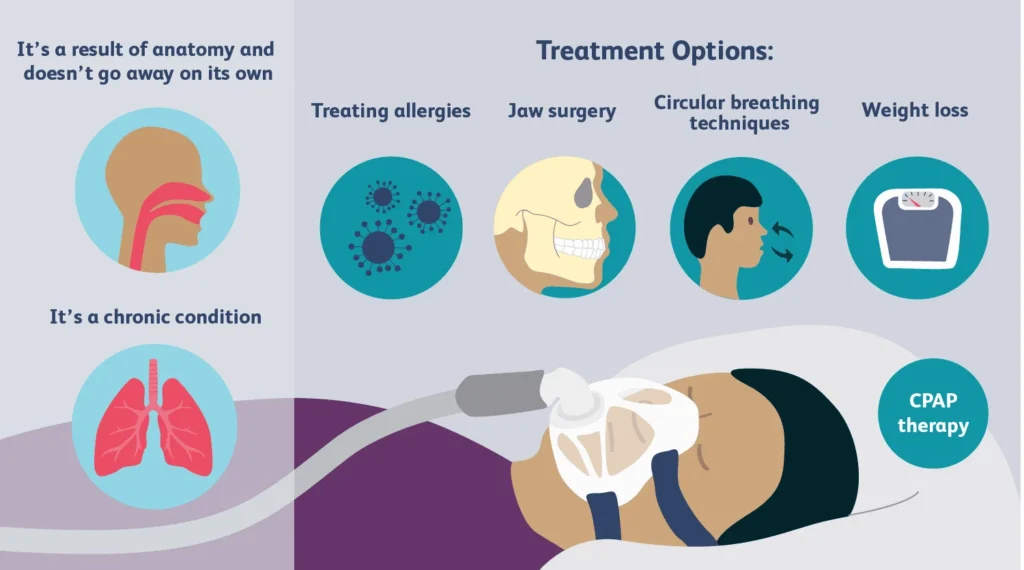
Snoring and Heart Health: A Wake-Up Call
One of the challenges with OSA is that it often goes undiagnosed. Many people may not even be aware that they have the condition, as it occurs during sleep. However, there are some common signs and symptoms that may indicate OSA, including loud snoring, gasping or choking during sleep, daytime sleepiness, and morning headaches.
If you suspect that you or a loved one may have OSA, it is important to consult a doctor. A sleep study may be recommended to monitor your breathing patterns and oxygen levels during sleep. Depending on the severity of your OSA, treatment options may include lifestyle changes, such as weight loss and avoidance of alcohol and sedatives, or the use of a continuous positive airway pressure (CPAP) machine to keep the airway open during sleep.
Improving Heart Health and Reducing Snoring
In addition to addressing OSA, there are also steps you can take to improve heart health and reduce snoring. These include maintaining a healthy weight, exercising regularly, eating a balanced diet, avoiding smoking, and managing stress.
If you snore, it is important to pay attention to your sleeping habits and address any potential underlying issues. Snoring may be a wake-up call for a more serious problem, and addressing it can improve not only your quality of sleep but also your overall heart health.
In Conclusion
Snoring may seem like a minor inconvenience, but it can be a warning sign of a more serious health issue, particularly when it comes to heart health. If you or a loved one is struggling with snoring, it is important to seek medical advice and address any potential underlying issues to improve overall health and well-being. Remember, a good night’s sleep is not just about feeling well-rested, it is also about taking care of your heart.
Summary:
Snoring is a common problem often seen as a harmless annoyance. However, it may actually be a warning sign of a more serious issue: obstructive sleep apnea (OSA). OSA, in turn, can greatly impact heart health, increasing the risk of cardiovascular disease, high blood pressure, and stroke. The reason for this connection is that OSA causes low oxygen levels and extra strain on the heart. OSA often goes undiagnosed, but common symptoms include loud snoring, gasping or choking during sleep, and daytime sleepiness. Treatment options for OSA may include lifestyle changes and the use of a CPAP machine. It is also important to take steps to improve heart health and reduce snoring, such as maintaining a healthy weight and managing stress. Snoring may be a wake-up call for a more serious issue, and addressing it can lead to better overall health and well-being.