
Snoring is a common problem that affects many individuals, regardless of age, gender, or lifestyle. It occurs when the airway is partially blocked during sleep, causing vibrations in the throat that result in the characteristic snoring sound. While snoring is often seen as a nuisance or a joke, it can actually have serious consequences, especially when it comes to sports performance. In this blog post, we will explore the relationship between snoring and reaction time in sports and how it can impact an athlete’s performance.
Reaction time is the time it takes for an individual to respond to a stimulus, such as a sound or visual cue. In sports, reaction time is crucial as it can determine the success or failure of an athlete’s performance. Whether it’s catching a ball, avoiding a tackle, or making a split-second decision, reaction time plays a critical role in sports.
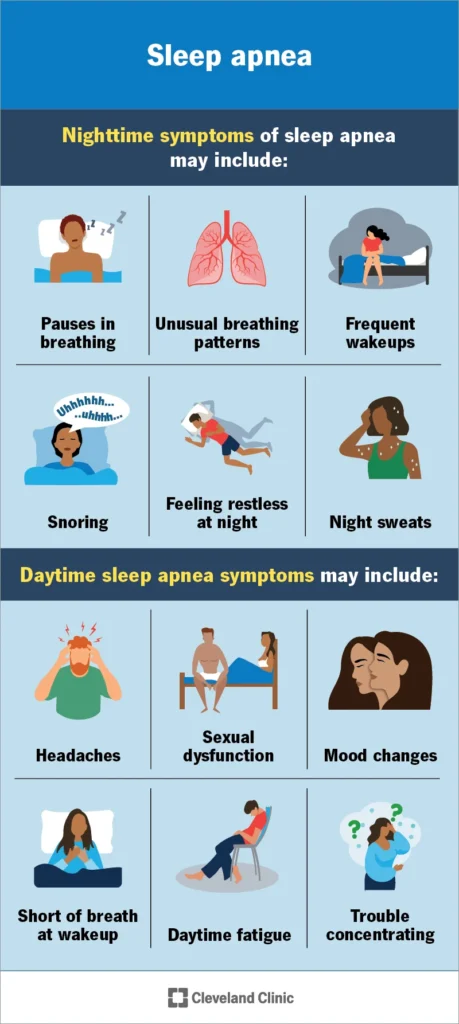
So, how does snoring affect reaction time in sports? The answer lies in the quality of sleep. Snoring is often associated with sleep-disordered breathing, such as sleep apnea, which can disrupt the normal sleep cycle and lead to poor sleep quality. When an individual’s sleep is constantly interrupted due to snoring, they may not enter the deep and restorative stages of sleep, which are essential for optimal athletic performance.
Studies have shown that sleep quality and reaction time are closely related. In fact, one study found that individuals with sleep apnea had significantly slower reaction times compared to those without the condition. This is because sleep-disordered breathing can cause changes in brain activity and oxygen levels, which can affect the brain’s ability to process information and respond quickly.
But how does this affect athletes specifically? Well, for starters, poor sleep quality can lead to daytime fatigue and reduced energy levels, which can directly impact an athlete’s performance on the field. It can also affect their concentration, decision-making abilities, and coordination, all of which are crucial in sports.
In addition, snoring can also contribute to other sleep-related issues that can affect athletic performance. For example, individuals with sleep apnea are more likely to experience daytime sleepiness, which can increase the risk of accidents or injuries during training or competition. They may also have difficulty recovering from intense workouts, leading to slower muscle repair and increased risk of overtraining.
Snoring and Its Influence on Reaction Time in Sports
Furthermore, chronic sleep deprivation due to snoring and sleep-disordered breathing can have long-term effects on an athlete’s overall health and well-being. It has been linked to an increased risk of cardiovascular diseases, obesity, and diabetes, which can all have a negative impact on sports performance.
So, what can athletes do to address snoring and its effects on reaction time in sports? The first step is to get a proper diagnosis. If you suspect that you or someone you know may have sleep apnea or other sleep-disordered breathing, it’s important to consult a doctor for a proper evaluation and diagnosis.
Once diagnosed, there are various treatment options available, such as continuous positive airway pressure (CPAP) therapy, oral appliances, and lifestyle changes. These treatments can help improve sleep quality and reduce snoring, ultimately leading to better reaction time and sports performance.
In addition, athletes can also take steps to improve their sleep hygiene, such as establishing a consistent sleep schedule, creating a comfortable sleep environment, and avoiding stimulants like caffeine before bedtime. They can also incorporate relaxation techniques, such as meditation or deep breathing, to help reduce stress and promote better sleep.
In conclusion, snoring may seem like a harmless annoyance, but its effects can be far-reaching, especially for athletes. Poor sleep quality due to snoring and sleep-disordered breathing can have a significant impact on reaction time and overall sports performance. Therefore, it’s crucial for athletes to prioritize their sleep and address any underlying sleep issues to ensure they are performing at their best.
Summary: Snoring is a common problem that can have serious consequences for athletes. It can disrupt sleep quality and lead to slower reaction times, reduced energy levels, and other sleep-related issues that can affect sports performance. It’s important for athletes to address snoring and any underlying sleep issues to ensure they are well-rested and able to perform at their best.