
Snoring is something that many people struggle with, but it is often dismissed as a minor annoyance or a funny quirk. However, snoring can actually have a significant impact on both physical and mental health. In fact, snoring and poor mental health can create a vicious cycle, where one issue exacerbates the other. In this blog post, we will explore the connection between snoring and mental health, as well as provide tips and strategies for breaking this cycle and improving overall well-being.
The Link Between Snoring and Mental Health
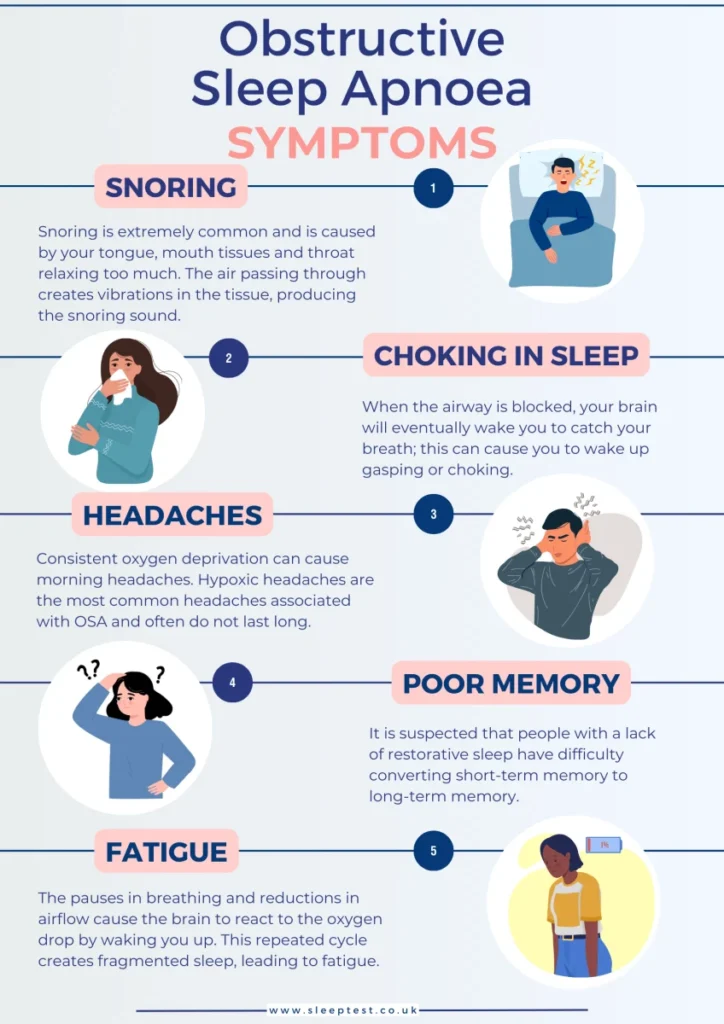
Snoring is a common sleep disorder that occurs when the airway becomes partially blocked, causing vibrations and noise during breathing. This can disrupt both the snorer’s sleep and their partner’s sleep, leading to daytime fatigue, irritability, and difficulty concentrating. But beyond these physical effects, snoring can also have a significant impact on mental health.
One of the main ways snoring affects mental health is through sleep deprivation. When snoring disrupts sleep, it can lead to chronic sleep deprivation, which has been linked to a range of mental health issues, including depression, anxiety, and mood disorders. This is because sleep is crucial for the brain to function properly, and chronic sleep deprivation can cause imbalances in neurotransmitters and hormones that regulate mood and emotions.
Additionally, snoring can also lead to relationship problems and social isolation, which can negatively impact mental health. Partners of snorers may experience frustration, resentment, and sleep disturbance, which can strain the relationship and lead to communication problems. This can create a cycle of stress and tension, which can further exacerbate mental health issues.
Breaking the Cycle: Strategies for Improving Mental Health
Fortunately, there are steps that can be taken to break the cycle of snoring and mental health problems. Here are some strategies to consider:
1. Seek Treatment for Snoring
The first step in breaking the cycle is to seek treatment for snoring. This may involve consulting with a doctor or sleep specialist to determine the underlying cause of snoring and find the most effective treatment. Some common treatments for snoring include lifestyle changes (such as weight loss and quitting smoking), oral appliances, and CPAP (continuous positive airway pressure) therapy.
Snoring and Mental Health: How to Break the Cycle
2. Practice Good Sleep Hygiene
In addition to seeking treatment for snoring, it’s important to practice good sleep hygiene to improve overall sleep quality. This includes maintaining a consistent sleep schedule, creating a comfortable sleep environment, and avoiding stimulants like caffeine and electronics before bedtime. By getting better quality sleep, individuals may experience improved mental health and reduced snoring.
3. Address Underlying Mental Health Issues
If snoring has led to mental health problems, it’s important to address these issues as well. This may involve seeking therapy or counseling to manage symptoms of depression, anxiety, or other mental health concerns. Additionally, adopting stress-relieving practices like meditation, yoga, or exercise can also help improve overall well-being.
4. Communicate Openly and Effectively
Communication is key in any relationship, and it’s especially important when dealing with snoring and its effects on mental health. Partners should strive to communicate openly and effectively about how snoring is impacting their sleep and overall well-being. This can help to reduce tension, improve understanding, and strengthen the relationship.
5. Seek Support
Dealing with snoring and its effects on mental health can be challenging, and it’s important to seek support when needed. This may include talking to friends and family, joining a support group, or seeking professional help. By sharing experiences and receiving support, individuals can feel less alone and more empowered to make positive changes.
Summary
Snoring is a common sleep disorder that can have a significant impact on both physical and mental health. Chronic snoring can lead to sleep deprivation, relationship problems, and social isolation, all of which can contribute to mental health issues such as depression and anxiety. To break the cycle of snoring and mental health problems, it’s important to seek treatment for snoring, practice good sleep hygiene, address underlying mental health issues, communicate openly and effectively, and seek support when needed. By taking these steps, individuals can improve their overall well-being and break the vicious cycle of snoring and mental health.