
Snoring and Sleep Apnea: How They Can Impact Your Relationship
Snoring and sleep apnea are two common sleep disorders that can impact both individuals and their relationships. In this blog post, we will explore the causes and effects of snoring and sleep apnea, and how they can affect the dynamic of a relationship. We will also provide tips on how to manage these disorders and improve the quality of sleep for both partners.
What is Snoring?
Snoring is the loud and harsh sound that occurs when air flows through the relaxed tissues in the throat. It is a common problem that affects nearly 90 million Americans, with 37 million snoring on a regular basis. While snoring may seem like a minor annoyance, it can actually have a significant impact on a relationship.
Causes of Snoring
Snoring occurs when the airway is partially blocked, causing the tissues in the throat to vibrate. This can be caused by a variety of factors, such as:
1. Structural issues in the nose and throat, such as a deviated septum or enlarged tonsils
2. Being overweight or obese, which can lead to excess tissue in the throat
3. Alcohol consumption, which relaxes the throat muscles and makes them more prone to vibration
4. Sleeping position, as sleeping on your back can cause the tongue to fall back and block the airway
Impact of Snoring on a Relationship
Snoring not only disrupts the sleep of the snorer, but it can also affect the sleep of their partner. The loud and constant noise can lead to sleep deprivation, irritability, and even resentment towards the snorer. This can cause tension and strain in the relationship, as the non-snoring partner may feel neglected or frustrated by the lack of sleep.
In addition, snoring can also lead to physical and emotional distance between partners. If one partner is constantly being woken up by the snoring, they may choose to sleep in a separate room, leading to a decrease in intimacy and physical connection.
What is Sleep Apnea?
Sleep apnea is a more serious sleep disorder that occurs when the airway is completely blocked, causing the person to stop breathing for short periods of time during sleep. This can happen multiple times throughout the night, leading to a decrease in oxygen levels and poor sleep quality.
Causes of Sleep Apnea
Snoring and Sleep Apnea: How They Can Impact Your Relationship
Sleep apnea is often caused by the same factors as snoring, such as structural issues in the nose and throat, being overweight, and sleeping on the back. However, it can also be caused by underlying health conditions, such as high blood pressure or a large neck circumference.
Impact of Sleep Apnea on a Relationship
Sleep apnea can have a significant impact on a relationship, as it not only disrupts the sleep of the affected individual but can also cause worry and concern for their partner. The constant pauses in breathing and loud gasping for air can be alarming and may lead to anxiety and stress for the non-sleeping partner.
In addition, the lack of quality sleep can also lead to irritability, mood swings, and difficulty concentrating for both partners. This can put a strain on communication and lead to arguments and conflicts within the relationship.
Managing Snoring and Sleep Apnea
The good news is that both snoring and sleep apnea can be managed with proper treatment and lifestyle changes. Here are some tips for managing these sleep disorders and improving the quality of sleep for both partners:
1. Seek medical help: If you or your partner are experiencing chronic snoring or symptoms of sleep apnea, it is important to consult a doctor. They can help diagnose the underlying cause and recommend appropriate treatment options.
2. Try nasal strips: For mild snoring, nasal strips can help keep the airway open and reduce snoring. They are easy to use and can be found at most drugstores.
3. Lose weight: If being overweight is contributing to your snoring or sleep apnea, losing weight can help improve symptoms. A healthy diet and regular exercise can also improve overall sleep quality.
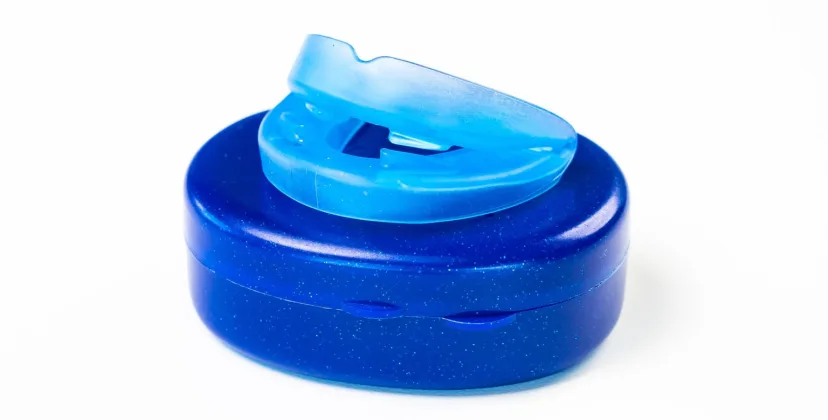
4. Use a mouthguard: A mouthguard can help keep the airway open and prevent snoring. It is important to consult a dentist for a custom-fitted mouthguard, as over-the-counter options may not be as effective.
5. Use a CPAP machine: For those with severe sleep apnea, a CPAP (continuous positive airway pressure) machine may be recommended. This machine uses a mask to deliver constant air pressure, keeping the airway open during sleep.
6. Sleep in different positions: If sleeping on your back contributes to snoring or sleep apnea, try sleeping on your side or stomach. This can help keep the airway open and reduce symptoms.
7. Communicate with your partner: Open and honest communication is key in any relationship, especially when dealing with sleep disorders. Talk to your partner about the impact of snoring or sleep apnea and work together to find solutions that work for both of you.
In summary, snoring and sleep apnea can have a significant impact on a relationship. They can lead to sleep deprivation, strain on communication, and physical and emotional distance between partners. However, with proper treatment and lifestyle changes, these sleep disorders can be managed, improving the quality of sleep for both partners and strengthening the relationship.