
Snoring is a common and sometimes frustrating issue that affects millions of people around the world. While it may seem like a harmless annoyance, snoring can actually be indicative of a more serious underlying health condition. In recent years, there has been growing research on the connection between snoring and sports. It turns out that snoring can have a significant impact on athletic performance and overall physical health. In this blog post, we will explore this connection and discuss how a mouthpiece can help alleviate snoring and improve athletic performance.
Understanding Snoring
Before delving into the connection between snoring and sports, it’s important to understand what exactly causes snoring. Snoring occurs when the flow of air through the nose and mouth is obstructed, leading to vibrations in the tissues of the throat. This can be caused by a variety of factors such as allergies, nasal congestion, enlarged tonsils, and obesity. The most common cause of snoring is an anatomical issue, where the airway is too narrow and collapses during sleep. This is known as obstructive sleep apnea and can have serious health consequences if left untreated.
Impact on Athletic Performance
Snoring can have a significant impact on athletic performance, both in terms of physical and mental abilities. One of the primary ways that snoring affects athletes is through sleep deprivation. Since snoring can disrupt the quality of sleep, athletes who snore may not get the restorative deep sleep that they need to perform at their best. This can result in fatigue, decreased reaction time, and slower recovery from physical activity.
Moreover, snoring can also lead to decreased oxygen levels in the blood, which can impair cardiovascular function. This means that athletes may have a harder time pushing themselves during training and competitions, leading to subpar performance. In addition, snoring has also been linked to increased inflammation in the body, which can impact muscle recovery and increase the risk of injuries.
Snoring and Injuries in Sports
Aside from the impact on athletic performance, snoring can also increase the risk of injuries for athletes. This is because snoring is often a symptom of obstructive sleep apnea, which has been linked to a higher incidence of musculoskeletal injuries. This is due to the fact that sleep apnea can cause changes in the body’s hormone levels, leading to decreased bone density and increased risk of fractures. Furthermore, sleep apnea can also lead to daytime sleepiness and fatigue, which can increase the likelihood of accidents and injuries during training or competitions.
The Role of Mouthpieces in Alleviating Snoring
Fortunately, there are ways to address snoring and improve overall athletic performance. One effective solution is the use of a mouthpiece, also known as a mandibular advancement device. This device is worn during sleep and works by holding the jaw in a slightly forward position, which helps to keep the airway open and prevent snoring.
Mouthpieces have been proven to be an effective treatment for snoring and sleep apnea. By improving the quality of sleep, athletes can experience better recovery and improved physical performance. Additionally, studies have shown that the use of a mouthpiece can also reduce the risk of injuries in athletes who snore.
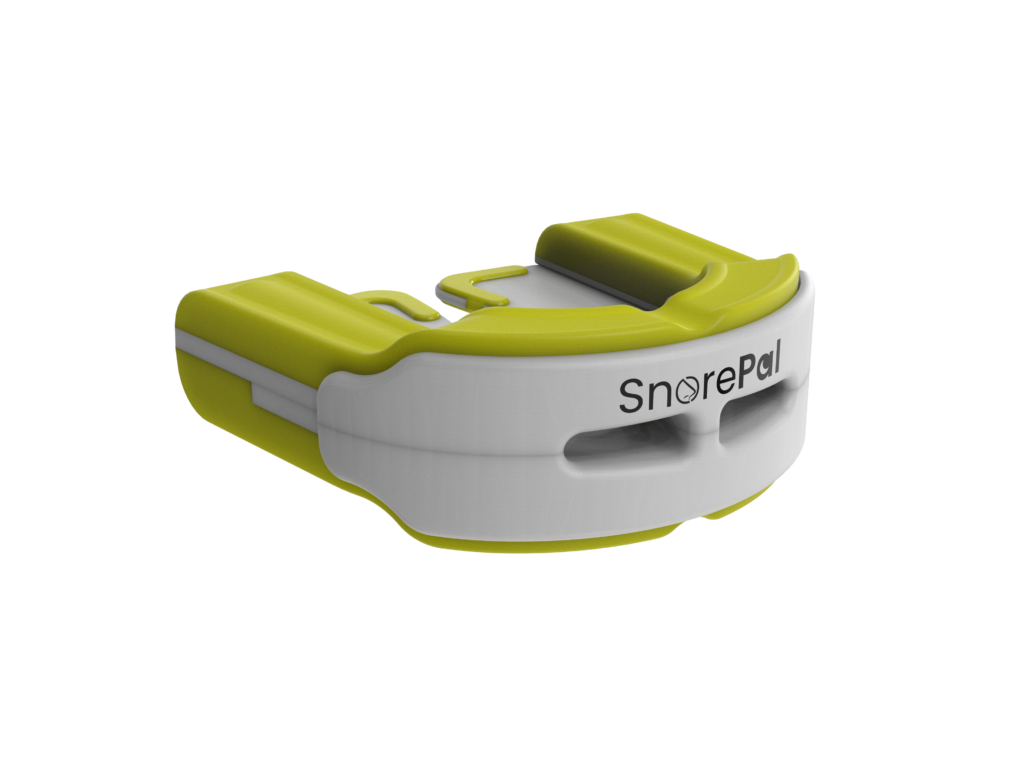
Snoring and Sports: Understanding the Connection and How a Mouthpiece Can Help
Benefits of Using a Mouthpiece
Aside from reducing snoring and improving athletic performance, there are other benefits to using a mouthpiece. These include:
1. Improved Sleep Quality: By keeping the airway open, a mouthpiece can help to promote deeper and more restorative sleep.
2. Better Breathing: Mouthpieces can also improve breathing during sleep, which can lead to increased oxygen levels in the blood and improved cardiovascular function.
3. Customizable Fit: Mouthpieces can be custom-made to fit an individual’s mouth, ensuring maximum comfort and effectiveness.
4. Cost-effective: Compared to other treatments for snoring and sleep apnea, mouthpieces are a more affordable option.
5. Non-invasive: Unlike surgical options, mouthpieces are non-invasive and do not require any recovery time.
Conclusion
In conclusion, snoring is not just a harmless annoyance, but it can have a significant impact on athletic performance and overall health. By understanding the connection between snoring and sports, athletes can take steps to address this issue and improve their physical and mental abilities. Using a mouthpiece is a simple and effective way to alleviate snoring and improve sleep quality, leading to better performance on and off the field.
Summary:
Snoring is a common issue that can have a significant impact on athletic performance and overall health. It is caused by an obstruction in the airway and can lead to sleep deprivation, decreased oxygen levels, and increased risk of injuries. The use of a mouthpiece, also known as a mandibular advancement device, can help alleviate snoring and improve athletic performance. Mouthpieces have been proven to be effective, customizable, cost-effective, and non-invasive. By understanding the connection between snoring and sports, athletes can take steps to improve their sleep and overall physical abilities.