
Snoring is a common problem that affects millions of people around the world. It can be a source of embarrassment, frustration, and even health concerns. While most people associate snoring with the nose and throat, many are unaware of the role that the jawbone plays in snoring. In fact, the position and health of your jawbone can greatly impact your snoring and overall sleep quality.
To understand the connection between snoring and your jawbone, it’s important to first understand the anatomy of the jaw. The jawbone, also known as the mandible, is the largest and strongest bone in the face. It is connected to the skull through the temporomandibular joint (TMJ), which allows for movement of the jaw. The TMJ is responsible for controlling the opening and closing of the mouth, as well as movements such as chewing and speaking.
When the jawbone is not in its proper position, it can lead to a variety of issues, including snoring. This is because the position of the jawbone can affect the airway and cause obstruction, leading to snoring. This is particularly true for those who suffer from temporomandibular joint disorder (TMJ), a condition that affects the muscles and joints in the jaw.
TMJ disorder is a common problem that can result in symptoms such as jaw pain, headaches, and difficulty opening and closing the mouth. In some cases, it can also contribute to snoring and sleep apnea. This is because when the jaw is not properly aligned, it can cause the airway to become blocked, leading to snoring or pauses in breathing during sleep.
In addition to TMJ disorder, other factors can also contribute to snoring and jawbone issues. One of the most common is sleep apnea, a serious sleep disorder in which breathing is interrupted during sleep. Sleep apnea is often caused by a blockage in the airway, which can be exacerbated by a misaligned jawbone.
Furthermore, poor oral health can also play a role in snoring and jawbone issues. When the teeth and gums are not properly cared for, it can lead to tooth decay, gum disease, and other problems that can affect the jawbone. These issues can cause the jawbone to weaken and shift, leading to snoring and other sleep-related problems.
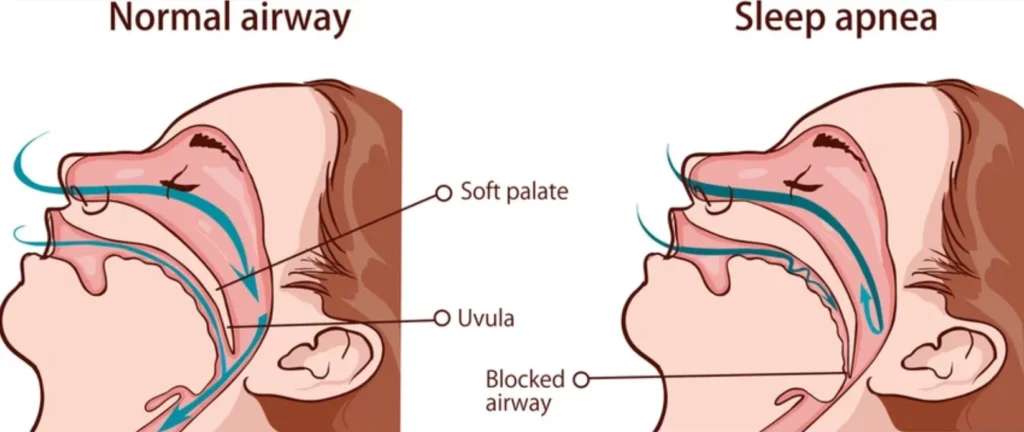
Snoring and Your Jawbone: What You Need to Know
So, what can you do to address snoring and jawbone issues? The first step is to consult with a dentist who specializes in TMJ disorders and sleep disorders. They can help diagnose any underlying issues and offer treatment options to address them.
One common treatment for snoring and jawbone issues is the use of a custom-made oral appliance. This device is worn while sleeping and helps to keep the jaw in a proper position, preventing airway obstruction and reducing snoring. Oral appliances can also be used to treat TMJ disorder and sleep apnea, making them a versatile and effective treatment option.
In addition to oral appliances, other treatments for snoring and jawbone issues may include orthodontic treatment, Botox injections, and physical therapy. In some cases, surgery may be necessary to correct severe jawbone misalignment or to address issues with the airway.
Along with seeking professional treatment, there are also steps you can take at home to improve the health of your jawbone and reduce snoring. These include maintaining good oral hygiene, avoiding habits such as teeth grinding and nail biting, and practicing jaw exercises to strengthen the muscles in the jaw.
In conclusion, snoring and your jawbone are closely connected, and addressing issues with the jawbone can greatly improve snoring and overall sleep quality. If you suffer from snoring or suspect you may have a TMJ disorder, it’s important to consult with a dentist who specializes in these areas. With the right treatment, you can achieve a healthier jawbone and enjoy a better night’s sleep.
In summary, snoring and your jawbone are closely related, and the position and health of your jawbone can greatly impact your snoring and overall sleep quality. Issues such as TMJ disorder, sleep apnea, and poor oral health can all contribute to snoring and should be addressed by a professional. Treatment options may include oral appliances, orthodontic treatment, and surgery, while at-home measures such as good oral hygiene and jaw exercises can also help improve jawbone health. Addressing snoring and jawbone issues can greatly improve your sleep and overall well-being.