
Snoring is having a moment. Between sleep trackers, “smart” pillows, and viral hacks, it’s easy to spend money and still wake up tired.
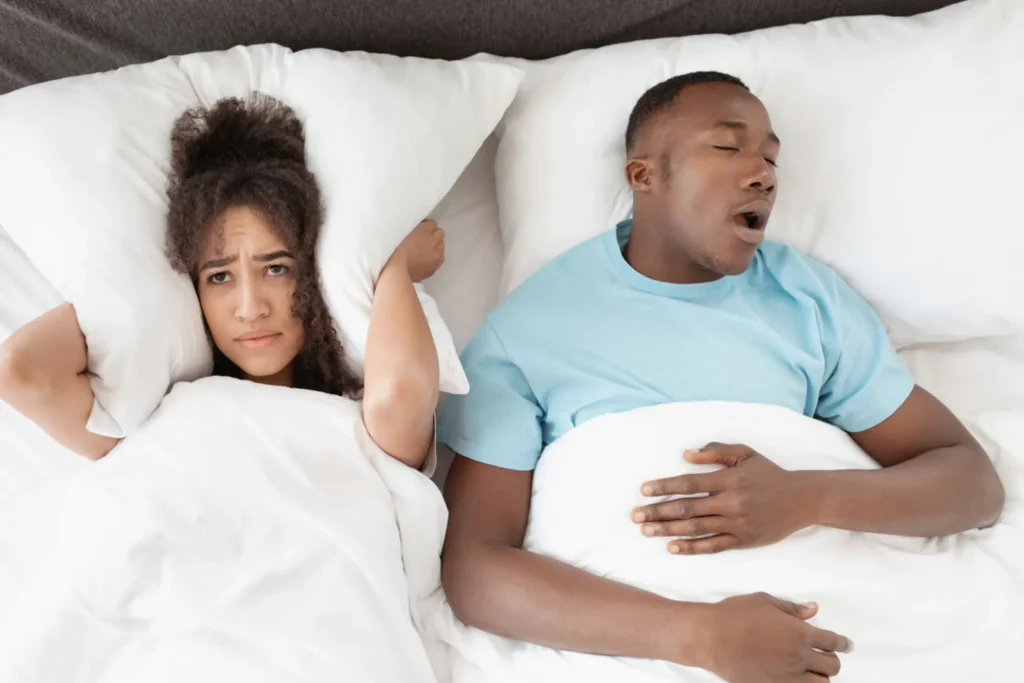
Meanwhile, your partner is negotiating for silence like it’s a workplace benefits package.
Here’s the simple truth: better sleep quality usually comes from matching the fix to the cause—fast.
Start here: what your snoring is telling you
Snoring can come from a few common buckets: nose congestion, sleep position, jaw/tongue posture, or a bigger breathing issue like sleep apnea. Your goal is not to “try everything.” Your goal is to pick the most likely lever first.
Recent sleep headlines keep circling the same theme: small, practical changes can matter. For example, there’s been discussion of saline nasal spray being studied for easing sleep apnea symptoms in children. That doesn’t mean it’s a cure, and it doesn’t translate directly to adults. It does spotlight how airflow and irritation can affect sleep.
If you want the general reference point, see this related coverage: Saline nasal spray found to ease sleep apnea symptoms in children.
The decision tree: If…then… choose your next move
If you’re congested or you wake up with a dry mouth, then fix airflow first
Travel fatigue, hotel AC, and seasonal allergies can turn your nose into a bottleneck. When nasal breathing is tough, you may mouth-breathe. That can make snoring louder and sleep feel lighter.
- Try a simple pre-bed routine: hydration, shower/steam, and a clean sleep environment.
- Consider a basic saline rinse or spray for comfort if dryness is a factor.
- Re-check your bedroom: dust, pet dander, and overly dry air can all matter.
If the snoring drops when congestion improves, you just saved a buying cycle.
If you snore mostly on your back, then run a “position test” for a week
Back-sleeping can let the tongue and soft tissues fall back. That’s why snoring spikes after long days, late meals, or burnout weeks when you crash hard.
- Use side-sleep supports (body pillow, backpack-style trick, or positional device).
- Keep the neck neutral. Stacking pillows can kink your airway.
If side-sleeping reduces snoring but doesn’t eliminate it, a mouthpiece may still help.
If your partner says it’s “every night, any position,” then an anti snoring mouthpiece is a reasonable next step
This is the common “relationship humor” scenario: you’re not trying to be loud, but the room says otherwise. If the pattern is consistent, your jaw and tongue position may be part of the problem.
An anti snoring mouthpiece (often a mandibular advancement-style device) aims to gently move the lower jaw forward. That can help keep the airway more open for some sleepers.
- Best fit for: loud snoring, worse after alcohol/sedating meds, or when you wake up unrefreshed without obvious congestion.
- Not a great fit for: active jaw pain, significant dental issues, or suspected sleep apnea symptoms (see below).
Want a starting point that’s focused on practicality? See this overview: anti snoring mouthpiece.
If you have red-flag symptoms, then don’t “gadget your way” through it
Sleep tech is everywhere right now. Rings, mats, apps, you name it. They can be useful for patterns, but they can’t diagnose a breathing disorder.
Talk to a clinician if you notice any of these:
- Breathing pauses witnessed by someone else
- Choking or gasping at night
- Major daytime sleepiness (especially while driving)
- Morning headaches, mood changes, or blood pressure concerns
Those can be associated with sleep apnea, and it’s worth proper screening.
How to avoid wasting money on “sleep fixes”
Use this quick filter before you buy another trending gadget.
- Pick one lever for 7–14 nights. Don’t stack five changes and guess what worked.
- Track one outcome. Example: partner-reported snoring volume (0–10) plus your morning energy (0–10).
- Prioritize comfort. If you can’t sleep with it, it can’t improve sleep quality.
A mouthpiece that fits well and feels tolerable can beat a drawer full of “smart” accessories.
FAQ: quick answers before you commit
Do anti-snoring mouthpieces work for everyone?
No. They tend to help most when jaw/tongue position contributes to snoring. Nasal blockage and untreated sleep apnea may need different solutions.
How fast should a mouthpiece help?
Some people notice a difference quickly, but comfort and fit can take a little time. Reassess after about 1–2 weeks of consistent use.
What if I snore mostly when I’m on my back?
Try positional changes first. If snoring persists across positions, a mouthpiece may be the next practical step.
Can kids use anti-snoring mouthpieces?
Children should be evaluated by a clinician for persistent snoring. Adult mouthpieces aren’t appropriate unless a clinician recommends a specific option.
When is snoring a reason to see a clinician?
If there are breathing pauses, gasping, significant daytime sleepiness, or other red flags, ask about sleep apnea evaluation.
Bottom line: pick the fastest path to quieter nights
If congestion is driving the noise, fix airflow. If position drives it, run a side-sleep trial. If it’s consistent and loud, an anti snoring mouthpiece is a practical, at-home next move.
How do anti-snoring mouthpieces work?
Medical disclaimer: This article is for general education only and is not medical advice. Snoring can be a sign of a sleep-related breathing disorder. If you suspect sleep apnea or have severe symptoms, seek evaluation from a qualified healthcare professional.