
Myth: Snoring is just a noisy habit.
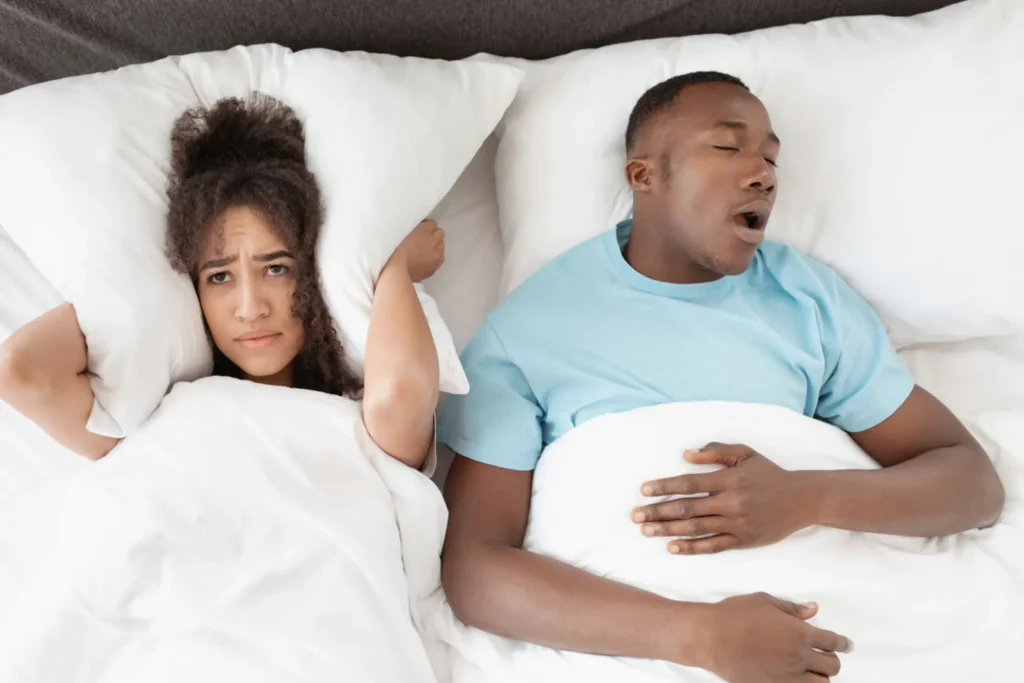
Reality: Snoring can be a sleep-quality problem, a relationship problem, and sometimes a medical red flag. The goal isn’t “silence at all costs.” It’s stable breathing and better rest for both of you.
What people are talking about right now (and why it matters)
Sleep has turned into a full-on culture beat. You’ll see new sleep gadgets, app scores, and “recovery” routines everywhere. Travel fatigue is also having a moment, because many people are bouncing between time zones, early flights, and late-night screens.
At home, snoring stays the classic punchline. Couples joke about “separate bedrooms,” but the exhaustion is real. Add workplace burnout, and suddenly you’re not just tired. You’re running on fumes.
There’s also growing interest in techniques like non-sleep deep rest (NSDR). People use it as a reset when a full night goes sideways. It can be a helpful tool, but it doesn’t replace fixing the cause of loud, nightly snoring.
What matters medically (snoring vs. something bigger)
Snoring happens when airflow gets turbulent and soft tissues vibrate. That can come from nasal congestion, sleeping on your back, alcohol close to bedtime, mouth-breathing, or jaw position.
But nightly snoring can also overlap with obstructive sleep apnea (OSA), where the airway repeatedly narrows or collapses during sleep. That’s why recent coverage keeps circling back to “when to test” and “what doctors look for.” If you want a general overview of that conversation, see Snoring every night? Doctors explain when it may signal obstructive sleep apnea and the tests and treatme.
Signs you should not brush off
- Loud snoring most nights, especially with witnessed pauses in breathing
- Choking, gasping, or waking up panicked
- Morning headaches, dry mouth, or sore throat
- Daytime sleepiness, brain fog, or dozing off easily
- High blood pressure or other cardiometabolic concerns (discuss with a clinician)
Also: drooling isn’t automatically “bad.” Still, if you’re drooling often and waking with a dry mouth, it can point to mouth-breathing and fragmented sleep.
How to try at home (without turning bedtime into a science fair)
Keep this simple. You’re testing whether snoring is positional, airway-related, or habit-driven.
Step 1: Run a 7-night baseline
Pick one metric that matters: partner wake-ups, a simple snore recording, or a 1–10 morning energy score. Write it down. Don’t guess.
Step 2: Fix the “easy amplifiers”
- Side-sleeping: back-sleeping often makes snoring louder
- Alcohol timing: many people snore more when they drink close to bedtime
- Nasal airflow: address temporary congestion with basic comfort measures
- Bedroom setup: cooler, darker, quieter (yes, it’s boring; yes, it works)
Step 3: Consider an anti snoring mouthpiece (and test it correctly)
If your snoring seems tied to jaw position or mouth-breathing, an anti snoring mouthpiece may help by supporting a more open airway during sleep. Some people also like a chinstrap add-on to encourage nasal breathing and reduce mouth opening.
If you want an option that combines both, see this anti snoring mouthpiece.
How to test it like a grown-up:
- Use it consistently for 10–14 nights (one night proves nothing).
- Track: snoring intensity + how refreshed you feel + any jaw/tooth soreness.
- Stop if you get significant pain, tooth shifting concerns, or worsening sleep.
Step 4: Use “rest tools” as support, not a substitute
NSDR-style sessions can help you downshift after a rough night or travel day. Think of it as a pressure-release valve. It won’t fix airway obstruction, but it may reduce the spiral of stress about sleep.
When to seek help (and how to talk about it without a fight)
If you suspect sleep apnea, don’t try to out-hack it. Get evaluated. Testing can be done through a clinician, and the right plan depends on what’s actually happening during sleep.
Bring the relationship angle into the open. Try this script: “I’m not mad about the noise. I’m worried about our sleep and your breathing. Can we test a couple options and, if needed, book an evaluation?” That keeps it practical and lowers defensiveness.
Go sooner if you have these red flags
- Breathing pauses, gasping, or choking at night
- Severe daytime sleepiness or near-miss drowsy driving
- Snoring plus significant health risks you’re already monitoring
FAQ: quick answers for tired people
Is snoring always caused by being overweight?
No. Weight can contribute, but congestion, alcohol, jaw position, and sleep posture can also drive snoring.
Can a mouthpiece replace a sleep apnea diagnosis?
No. If you suspect OSA, get evaluated. A device may reduce snoring while you pursue proper testing, but it’s not a diagnosis.
What if my partner says the mouthpiece is “too much”?
Frame it as a two-week experiment with a shared goal: fewer wake-ups for both of you. Agree on what success looks like before you start.
Next step
How do anti-snoring mouthpieces work?
Medical disclaimer: This article is for general education only and isn’t medical advice. Snoring can be a symptom of a sleep-related breathing disorder. If you have choking/gasping, witnessed breathing pauses, significant daytime sleepiness, or other concerning symptoms, seek evaluation from a qualified clinician.