
Snoring is funny until it isn’t. One person laughs, the other person stares at the ceiling at 3 a.m. Then everyone drags through the next day.
Here’s the thesis: better sleep starts with treating snoring like a health signal, not just a noise problem—and choosing tools that match your body and your risk level.
The big picture: why snoring is getting so much attention
Sleep has become a full-on cultural obsession. People track it with rings, compare scores like steps, and pack “sleep kits” for flights. At the same time, burnout talk is everywhere, and poor sleep makes it worse.
Recent health coverage has also pushed a bigger point into the mainstream: obstructive sleep apnea (OSA) is not just about sound. It’s linked to long-term health, including cardiovascular strain, and it’s being discussed in the context of brain health and aging. If you want a starting point for what people are reading, see this Preventing Alzheimer’s disease and dementia by treating obstructive sleep apnea.
The emotional side: relationships, travel fatigue, and “why am I so tired?”
Snoring rarely stays private. It shows up in relationship jokes, guest-room negotiations, and those “I barely slept” group chats after a work trip. Even when the snorer feels fine, the bed partner may be running on fumes.
That mismatch matters. When one person is exhausted, everything feels sharper: patience runs low, workouts drop off, and coffee turns into a coping strategy. A practical snoring plan can be a kindness to both sides of the bed.
Practical steps: a no-drama plan to improve sleep quality
1) Separate “simple snoring” from “possible OSA”
Snoring can come from nasal congestion, alcohol near bedtime, back-sleeping, or anatomy. OSA is different: it involves repeated airway collapse and disrupted breathing.
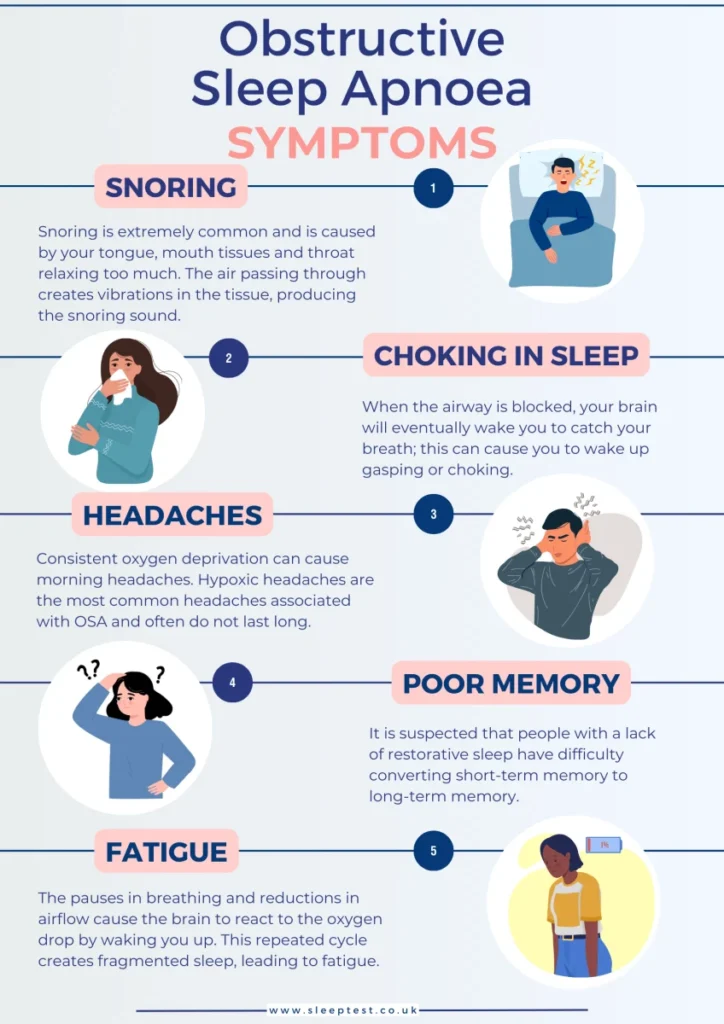
Consider screening if any of these show up often: loud snoring most nights, witnessed pauses in breathing, choking/gasping, waking with headaches, or heavy daytime sleepiness. If you’re unsure, bring a short list of symptoms and questions to a clinician. (Many recent guides focus on what to ask about OSA treatment options.)
2) Clean up the “sleep runway” first
Before you buy another gadget, tighten the basics for a week:
- Keep alcohol and heavy meals earlier in the evening when possible.
- Try side-sleeping support (pillow positioning can help some people).
- Address nasal stuffiness with gentle, non-medicated comfort steps like humidity or saline rinses, if appropriate for you.
These moves won’t fix everyone, but they make other solutions work better.
3) Where an anti snoring mouthpiece fits
An anti snoring mouthpiece is usually designed to hold the lower jaw slightly forward during sleep. That forward position can reduce airway narrowing for some people, which may cut down snoring and improve sleep continuity.
Not every mouthpiece feels the same. Comfort and consistency matter more than “max advancement.” If it’s miserable, you won’t wear it, and your sleep won’t improve.
4) Tools and technique: ICI for mouthpieces (Improve, Comfort, Integrate)
- Improve (fit and positioning): Follow the fitting instructions carefully. Small adjustments can change comfort and results.
- Comfort (jaw, gums, and bite feel): Expect an adjustment period. Start slow if needed, and don’t force aggressive settings.
- Integrate (routine and cleanup): Rinse after use, brush gently, and let it fully dry. A consistent routine prevents odor and buildup.
Safety and testing: how to try a mouthpiece without ignoring red flags
What “success” should look like
Success is not just quieter nights. You want better mornings: fewer headaches, less grogginess, and fewer wake-ups. If only the noise improves but fatigue stays intense, treat that as a signal to re-check what’s going on.
Common friction points (and what they usually mean)
- Sore jaw or teeth: Often a fit/pressure issue. Persistent pain needs medical or dental guidance.
- Dry mouth: Mouth breathing may still be happening. Some people pair a mouthpiece with a chinstrap-style support for comfort.
- Device gets “spit out” overnight: Fit, sizing, or your sleep position may need adjustment.
When to skip DIY and get evaluated
Get medical advice promptly if you have symptoms that suggest OSA or another sleep-breathing disorder: witnessed breathing pauses, gasping, severe daytime sleepiness, or cardiovascular concerns. Snoring can be a nuisance, but in some cases it’s a health issue that deserves proper testing.
Product option to consider (for people who want a combo approach)
If you’re exploring gear, here’s a relevant option to review: anti snoring mouthpiece. A combo can appeal to people who suspect mouth breathing is part of their snoring pattern.
FAQ: quick answers people ask this week
Is snoring worse when I’m stressed or burned out?
Stress can fragment sleep and change muscle tone and habits (like alcohol use or late meals). That can make snoring more noticeable.
Do sleep trackers diagnose sleep apnea?
No. They can flag patterns, but diagnosis typically requires a medical evaluation and appropriate testing.
Can travel make snoring spike?
Yes. Jet lag, alcohol, dehydration, and sleeping on your back in unfamiliar beds can all increase snoring.
Medical disclaimer: This article is for general education only and is not medical advice. Snoring can have multiple causes, including obstructive sleep apnea. If you have concerning symptoms or ongoing sleep disruption, talk with a qualified clinician for evaluation and personalized guidance.