
At 2:13 a.m., someone in seat 22B fell asleep before the wheels left the runway. Two rows back, their partner stared at the seatbelt sign like it was a personal challenge: please don’t snore. By the time the drink cart rolled by, the snoring had started—steady, loud, and weirdly confident.
The next morning, the jokes came out. “You sounded like a leaf blower.” “I didn’t sleep at all.” Then the real concern landed: both of them felt foggy, irritable, and behind at work. That’s the point where snoring stops being a punchline and starts being a sleep health problem.
The big picture: why snoring is suddenly everywhere
Snoring isn’t new. What’s new is how often people talk about it—on podcasts, in gadget reviews, and in group chats after a rough night. Sleep tracking rings, smart pillows, white-noise machines, and “breathing hacks” are having a moment. So are practical devices that don’t require a big setup.
Part of the buzz is cultural. Travel fatigue is up. Burnout is real. Many people are trying to protect sleep like it’s a scarce resource. That’s also why “simple fixes” get attention, from breathing routines to anti-snore devices that promise quieter nights.
Breathing is a popular theme right now, especially the idea that small changes to breathing patterns can support better sleep and recovery. If you want a general overview of what’s being discussed in the breathing-and-sleep conversation, see The 4 breathing secrets that will transform your health today with James Nestor.
Snoring vs. sleep quality: the underrated connection
Even when the snorer feels “fine,” snoring can fragment sleep for the person next to them. It can also be a sign that airflow is restricted. Either way, the household pays for it: more caffeine, less patience, and that low-grade exhaustion that makes everything harder.
The emotional side: it’s not just noise
Snoring can create a weird kind of stress. People feel embarrassed. Partners feel guilty for being annoyed. Some couples start “sleep divorcing” into separate rooms, then wonder if it’s hurting closeness.
There’s also the anxiety spiral: “Is this dangerous?” “Am I getting enough oxygen?” “Why am I still tired?” If you’ve ever woken up unrefreshed for days in a row, you know how quickly it affects mood and motivation.
When tired doesn’t match your effort
A common frustration is doing “all the right things” and still feeling sleepy. Sometimes the issue is simple (schedule, alcohol, congestion, stress). Sometimes it’s bigger, like untreated or undertreated sleep-disordered breathing. If you’re consistently drowsy during the day, don’t just power through it.
Practical steps: where an anti snoring mouthpiece fits
An anti snoring mouthpiece is designed to improve airflow during sleep. Many products do this by gently positioning the lower jaw forward (often called mandibular advancement). Some focus on tongue positioning. The goal is the same: reduce airway collapse that can trigger snoring.
Who tends to consider a mouthpiece?
- People whose snoring is position-related (often worse on the back).
- Couples who need a practical compromise that’s easier than a full tech setup.
- Travelers who want something portable for hotels and flights.
- Gadget-fatigued sleepers who don’t want another app to manage at bedtime.
Quick at-home “fit check” before you buy anything
These steps don’t diagnose anything. They just help you make a smarter choice.
- Track the pattern: Is snoring nightly or occasional? Worse after alcohol? Worse with congestion?
- Notice the daytime effect: Morning headaches, dry mouth, or persistent sleepiness matter.
- Ask a partner for specifics: Loudness, pauses, gasps, and sleep position clues are useful.
How to trial a mouthpiece without overcomplicating it
- Pick one variable to change: Add the mouthpiece, keep everything else steady for a week.
- Use simple scoring: “Snoring volume 1–10,” “How rested do I feel 1–10,” and “Any jaw soreness?”
- Give your mouth time: Minor adjustment discomfort can happen early. Sharp pain is a stop sign.
- Re-check after travel: Jet lag and dry hotel air can change snoring. Don’t judge on one weird night.
If you’re comparing devices, start here: anti snoring mouthpiece.
Safety and testing: what to watch for
Mouthpieces are popular because they’re non-surgical and usually simple to use. Still, comfort and safety matter.
Common issues to take seriously
- Jaw pain or clicking that worsens over time.
- Tooth discomfort or pressure points that don’t improve after a short adjustment period.
- Worsening sleep quality despite “less noise.” Quiet isn’t the only goal.
Red flags that should prompt medical input
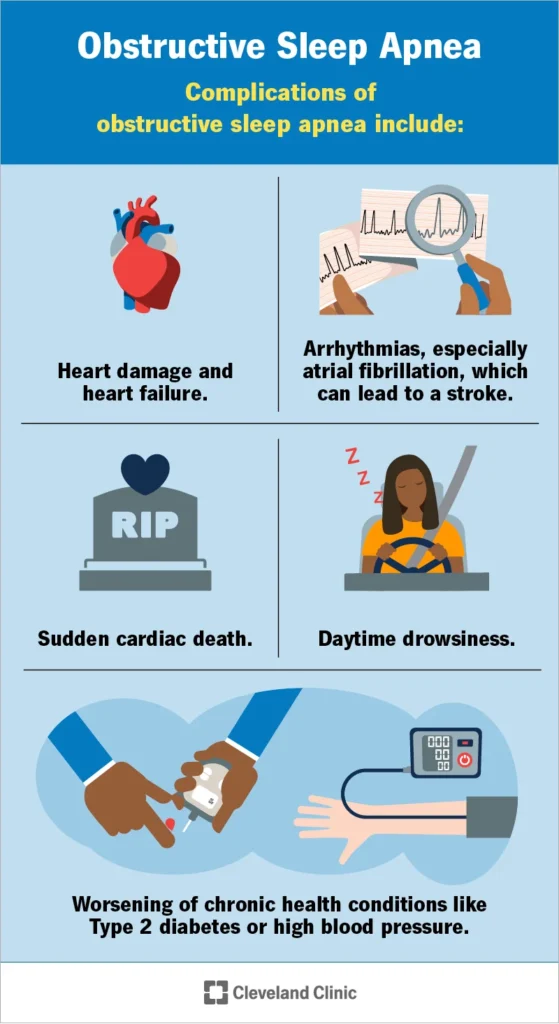
- Choking, gasping, or witnessed breathing pauses
- Severe daytime sleepiness or drowsy driving risk
- High blood pressure or other cardiometabolic concerns paired with loud snoring
A note on mouth tape and breathing trends
Mouth taping has been trending in sleep circles. Some people use it to encourage nasal breathing. It also comes with real risks if nasal airflow is limited. If you can’t breathe comfortably through your nose when awake, don’t treat tape like a shortcut.
Breathing practices can be helpful for relaxation and bedtime wind-down. They don’t replace evaluation for sleep apnea. They also won’t automatically solve mechanical snoring.
Medical disclaimer: This article is for general education and does not provide medical advice, diagnosis, or treatment. If you suspect sleep apnea or have persistent daytime sleepiness, talk with a qualified clinician or sleep specialist.
FAQs: fast answers to common mouthpiece questions
Do anti-snoring mouthpieces work for everyone?
No. They’re a strong option for many types of positional or airway-related snoring, but not every mouth or cause of snoring responds.
What’s the difference between a mouthguard for snoring and a CPAP?
A mouthpiece changes jaw/tongue position to improve airflow. CPAP provides pressurized air and is often used for diagnosed sleep apnea.
Is loud snoring always sleep apnea?
Not always. But loud, frequent snoring plus choking/gasping or heavy daytime sleepiness is worth evaluating.
Can I combine breathing exercises with an anti-snoring mouthpiece?
Often, yes. Think of breathing practices as support and the mouthpiece as a mechanical tool. If nasal congestion is constant, address that first.
How long should I trial a mouthpiece before deciding?
Give it at least several nights for comfort, and about 1–2 weeks for a fair read on snoring and sleep quality changes.
Is mouth taping a safer alternative to a mouthpiece?
Not necessarily. It can be risky if nasal breathing is impaired. If you’re unsure, skip it and ask a clinician.
Next step: get a quieter night without guesswork
If snoring is affecting your sleep, your partner’s sleep, or your energy at work, it’s worth testing a solution you can actually stick with.