
- Snoring is often a breathing-and-position problem, not a “willpower” problem.
- Sleep gadgets are trending, but the safest wins are usually the simplest.
- An anti snoring mouthpiece can help when jaw position and soft-tissue collapse drive the noise.
- Screen for sleep apnea first if you have red flags like gasping or heavy daytime sleepiness.
- Document what you try (symptoms, fit, comfort, results) so you can make a clean decision fast.
Why snoring is suddenly everywhere (again)
Between travel fatigue, packed calendars, and workplace burnout, a lot of people are waking up feeling like they never really slept. That’s when snoring stops being a “funny couple problem” and starts feeling like a health and relationship issue.
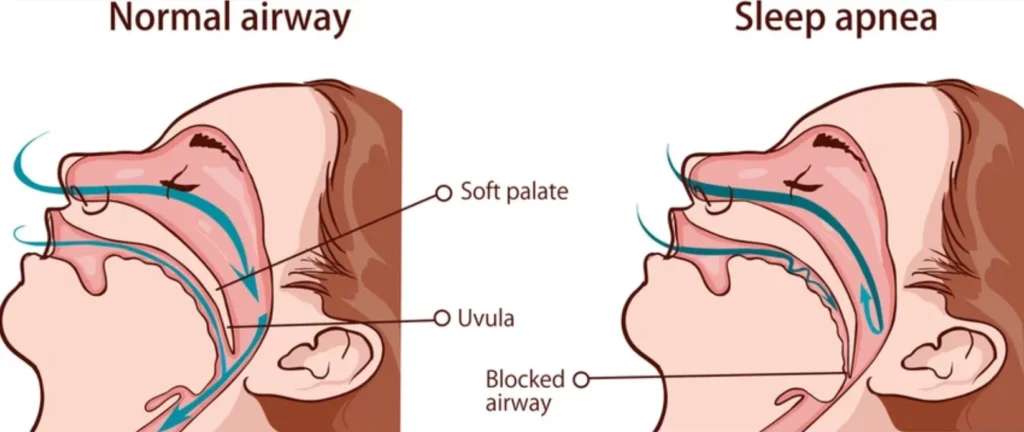
At the same time, breathing-focused wellness content is having a moment. You’ll see talk about nasal breathing, slow breathing, and other “breathing secrets” that promise better days. Some of it is useful. Some of it is hype. The goal is to keep what’s low-risk and evidence-aligned, then skip the rest.
If you want a general overview of the breathing trend that’s been circulating, see The 4 breathing secrets that will transform your health today with James Nestor.
Decision guide: If…then… choose your next step
Use this like a flowchart. Pick the branch that matches your situation tonight, not your “ideal routine.”
If you snore AND you have red flags… then screen first
If you notice choking, gasping, long pauses in breathing, or extreme daytime sleepiness, treat that as a safety issue. Snoring can overlap with sleep apnea, and a mouthpiece isn’t the right first move for everyone.
Then: talk to a clinician or a sleep specialist about screening. If you share a bed, ask your partner to note what they hear (pauses, gasps, pattern changes). That simple log can speed up the conversation.
If your snoring is worse on your back… then start with position + basics
Back-sleeping often makes the airway more collapsible. Many people also snore more after alcohol, heavy meals close to bedtime, or when they’re overtired from travel.
Then: try side-sleeping supports, reduce late-night alcohol, and keep a consistent wind-down. These changes aren’t flashy, but they’re low-risk and often meaningful for sleep quality.
If you wake with a dry mouth… then think “mouth breathing” and jaw drop
Dry mouth can signal that your mouth is open at night. That can increase vibration in soft tissues and make snoring louder. It also tends to make mornings feel rough.
Then: prioritize nasal comfort (humidity, gentle saline rinse if appropriate, allergy management with a clinician if needed). Be cautious with mouth taping. It’s popular, but it’s not a universal fit and can be unsafe for some people.
If your partner says the snoring sounds “throaty” or you clench/grind… then a mouthpiece may be a strong candidate
A common driver of snoring is relaxed throat tissue plus a jaw that falls back. That’s where an anti snoring mouthpiece (often designed to support jaw position) can make sense.
Then: consider a product that’s designed for overnight wear and comfort. If you also struggle with your mouth falling open, a combo approach may help some sleepers. One option to review is this anti snoring mouthpiece.
If you’re tempted by “sleep gadget stacking”… then set a 14-night test
It’s easy to buy three devices after one bad week. The problem is you won’t know what worked, and you may add discomfort that worsens sleep.
Then: run a simple 14-night experiment. Change one variable at a time. Track: bedtime, alcohol, congestion, device used, partner rating (0–10), and how you feel at 2 p.m. the next day.
How to use an anti-snoring mouthpiece safely (and document it)
Safety and follow-through matter more than “perfect technique.” Keep it simple and consistent.
Start low and go slow
Wear it for short periods before sleep to get used to the feel. If you wake up sore, take a night off and reassess fit. Persistent pain is a stop sign, not a challenge.
Watch for these stop signs
Stop using the device and seek professional guidance if you notice jaw locking, worsening headaches, tooth pain, gum irritation, or bite changes. Also pause if your partner reports gasping or long breathing pauses.
Keep it clean to reduce infection risk
Rinse after use and clean as directed by the manufacturer. Let it dry fully. Don’t share oral devices. Replace it if it cracks, warps, or starts to smell despite cleaning.
Write down your decision trail
If you ever need to discuss symptoms with a clinician, your notes help. Log what you tried, how long you used it, and what changed. This also protects you from “I think it helped?” uncertainty.
Where breathing practices fit (without turning bedtime into homework)
Breathing exercises can support relaxation and reduce stress arousal, which helps sleep quality. They won’t “cure” every snore, but they can make it easier to fall asleep and stay asleep.
Pick one simple routine: slow nasal breathing for a few minutes, or a gentle paced pattern that feels comfortable. If you feel lightheaded, stop. Comfort is the point.
FAQ
Do anti-snoring mouthpieces work for everyone?
No. They tend to help most when snoring comes from relaxed throat tissues or jaw position, and less when nasal blockage or untreated sleep apnea is involved.
How can I tell if it might be sleep apnea instead of simple snoring?
Red flags include choking/gasping, long pauses in breathing, severe daytime sleepiness, morning headaches, or high blood pressure. If these show up, get medical screening.
Is mouth taping safe for snoring?
It can be risky for some people, especially with nasal congestion, reflux, anxiety, or suspected sleep apnea. If you try it, prioritize safety and stop if breathing feels restricted.
How long does it take to get used to an anti-snoring mouthpiece?
Many people adapt over several nights to a few weeks. Start gradually and watch for jaw soreness, tooth discomfort, or bite changes.
Can vitamin D fix snoring?
Vitamin D is important for overall health, but snoring has many causes. If you suspect a deficiency, discuss testing and supplementation with a clinician rather than self-treating.
CTA: Make a clear next move tonight
If you’ve screened for red flags and your snoring seems tied to jaw position or mouth opening, a mouthpiece can be a practical next step. Keep your test simple, track results, and prioritize comfort.
How do anti-snoring mouthpieces work?
Medical disclaimer: This article is for general education only and isn’t medical advice. Snoring can signal a sleep-related breathing disorder. If you have symptoms like gasping, breathing pauses, chest pain, severe sleepiness, or other concerning signs, seek evaluation from a qualified clinician.