
Is your snoring getting worse lately? Are sleep gadgets everywhere, but your sleep still feels thin? And is an anti snoring mouthpiece actually worth trying before you burn money on another “miracle” fix?
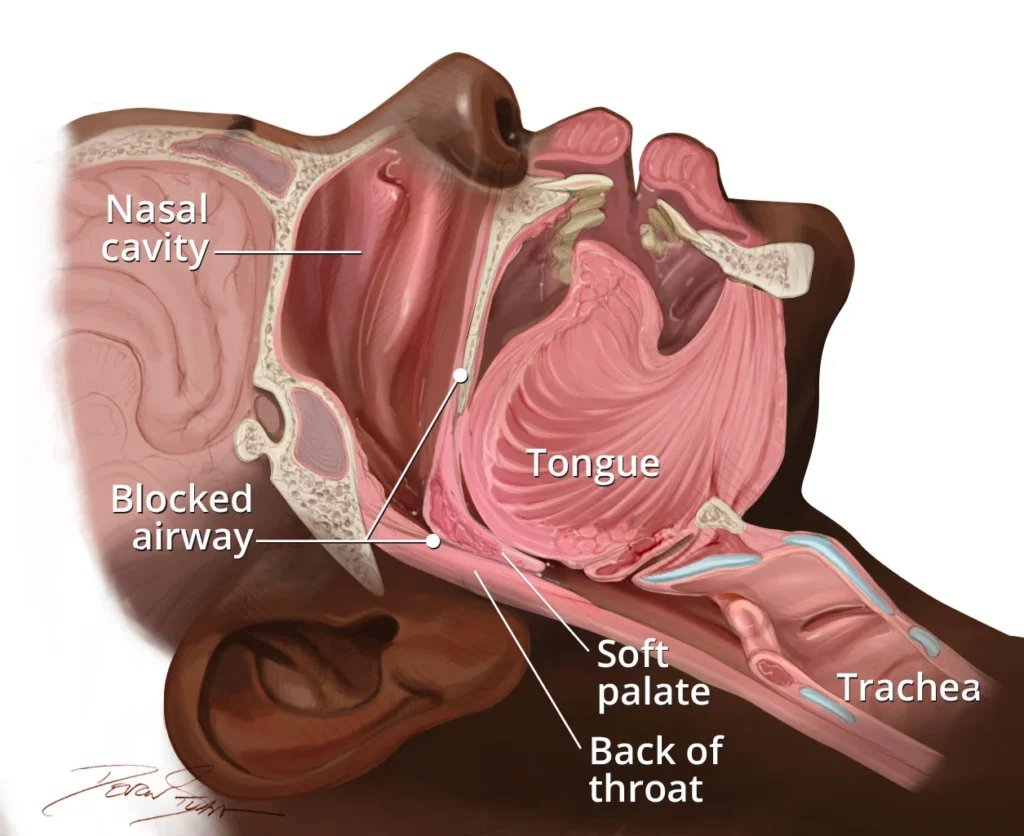
Yes, snoring can ramp up during stressful seasons, travel weeks, or burnout stretches. Yes, the market is loud right now—mouth tape, smart pillows, wearables, “doctor-picked” device lists, and endless ads. And yes, a mouthpiece can be a practical next step for many people, as long as you buy smart and keep safety in the loop.
Medical disclaimer: This article is for general education, not medical advice. Snoring can be linked to sleep apnea and other health issues. If you have breathing pauses, choking/gasping, chest pain, severe daytime sleepiness, or pregnancy-related sleep changes, get medical guidance.
Overview: what people are talking about right now (and why)
Sleep has become a full-on culture topic. You see it in “sleep hygiene” checklists shared by campus health teams, in daylight-saving time reminders, and in the new wave of sleep gadgets that promise to “optimize” everything. Add travel fatigue and packed calendars, and it’s no surprise couples are joking about “separate bedrooms” like it’s a relationship hack.
At the same time, there’s a more serious thread: sleep apnea can be missed, especially in women, because symptoms don’t always match the stereotype. If you want a deeper read on that shift in awareness, see this related coverage: SleepZee Anti-Snoring Mouthpiece Consumer Report: 2026 Analysis of Mandibular Advancement Device Research, Snoring Reduction Claims, and What Buyers Should Verify.
So where does a mouthpiece fit? Think of it as a budget-friendly “mechanics” tool. It aims to change positioning in your mouth and jaw during sleep, which may reduce vibration and noise for certain snorers.
Timing: when to try a mouthpiece (and when to pause)
Good times to consider it
Try a mouthpiece when snoring is consistent, your partner is nudging you nightly, and you’re tempted to buy three different gadgets out of frustration. It can also make sense after travel-heavy weeks, when sleep schedules get messy and snoring seems louder than usual.
Hit pause and get checked if you notice red flags
Don’t “DIY” your way past warning signs. If someone observes breathing pauses, or you wake up gasping, or you’re exhausted despite enough hours in bed, talk to a clinician. The same goes for new or worsening snoring during pregnancy, or if you have significant jaw issues.
Supplies: what you need (and what you can skip)
You don’t need a drawer full of sleep tech. Keep it simple and spend where it matters.
- A mouthpiece you can return if it doesn’t fit or feels wrong.
- A way to track outcomes: notes app, sleep journal, or your partner’s quick 1–10 snore rating.
- Basic sleep setup: comfortable pillow, cool room, consistent bedtime window.
What to skip at first: stacking multiple interventions on night one (new pillow + mouth tape + mouthpiece + supplement). If you change everything, you won’t know what helped.
Step-by-step (ICI): a low-waste plan you can follow
This is an ICI plan: Identify the pattern, Choose one change, then Iterate based on results.
1) Identify your snoring pattern in 3 nights
Write down three quick data points each morning:
- How you feel on waking (refreshed, okay, wrecked)
- Any dry mouth, sore throat, or headache
- Partner report (or a simple snore recording if you already use one)
Also note the obvious triggers: alcohol close to bedtime, late heavy meals, congestion, and sleeping flat on your back.
2) Choose one primary tool: the mouthpiece (not five gadgets)
If you’re going to test an anti snoring mouthpiece, commit to a clean trial. That means you keep the rest of your routine steady for a week.
Many consumer discussions focus on mandibular advancement style devices and what buyers should verify before trusting big reduction claims. The practical takeaway: prioritize fit, comfort, and clear policies over hype.
If you’re comparing options, start here: anti snoring mouthpiece.
3) Iterate: adjust based on comfort and results
Give it several nights unless you have pain. Small discomfort can happen at first, but sharp pain is a stop sign.
- If snoring drops but your jaw aches: you may need a different fit approach or a different style.
- If comfort is fine but snoring doesn’t change: your snoring may be driven by another factor (nasal blockage, sleep position, or possible apnea).
- If you feel more tired: don’t push through. Reassess and consider medical input.
Mistakes that waste money (and sleep)
Buying the “most viral” fix instead of the right fit
Mouth tape is trending in sleep circles, but it’s not a universal solution. If your nose isn’t clear, forcing mouth-closed breathing can backfire. Keep safety first, especially if you suspect apnea.
Ignoring the relationship factor
Snoring is funny until it isn’t. If your partner is losing sleep, treat it like a shared problem to solve, not a personal flaw. A simple plan and a one-week trial can lower tension fast.
Expecting perfection on night one
Even good devices can take a short adjustment period. Track “better” rather than “silent.” Better sleep quality is the goal, not winning a quiet-room contest.
FAQ
Do anti-snoring mouthpieces work for everyone?
No. They’re often most helpful when snoring relates to mouth/jaw positioning, but they won’t match every anatomy or every snoring cause.
Is loud snoring always sleep apnea?
No, but it can be a clue. If there are breathing pauses, gasping, or major daytime sleepiness, get evaluated.
What should I verify before buying a mouthpiece?
Check fit guidance, materials, cleaning instructions, and return terms. Also confirm what type it is (for example, mandibular advancement vs. other designs).
Can I use mouth tape with a mouthpiece?
Be cautious. If nasal breathing isn’t reliably clear, skip it and ask a clinician for guidance.
How fast should I expect results?
Some people notice changes quickly, but comfort and fit can take longer. Stop if you develop jaw pain, tooth pain, or headaches.
CTA: one simple next step
If you want a practical place to start—without buying a whole “sleep gadget” cart—focus on one controlled trial and track the outcome.