
Snoring is having a moment. Not the funny kind—more like the “we’re both exhausted and someone has a meeting at 9” kind.
Between new sleep gadgets, travel fatigue, and burnout, people are chasing quieter nights any way they can.
Bottom line: snoring is often an airflow problem, and an anti snoring mouthpiece can be a practical step—if you use it for the right reasons.
What people are talking about right now (and why it’s everywhere)
Sleep trends keep cycling through your feed: wearables scoring your “readiness,” apps that promise deeper sleep, and hacks like mouth taping. The vibe is clear. Everyone wants better sleep without turning it into a second job.
Snoring also has a social cost. Couples joke about it, then quietly fight about it. Travel makes it worse, too. Dry hotel air, late meals, and a few drinks can turn a mild snorer into a chainsaw overnight.
You may also see headlines hinting that nutrition status—like vitamin D—could be connected to snoring or sleep quality. That’s a useful reminder to look at the whole health picture. Still, most people need a plan that targets airflow and habits, not just a supplement aisle.
What matters medically (without the drama)
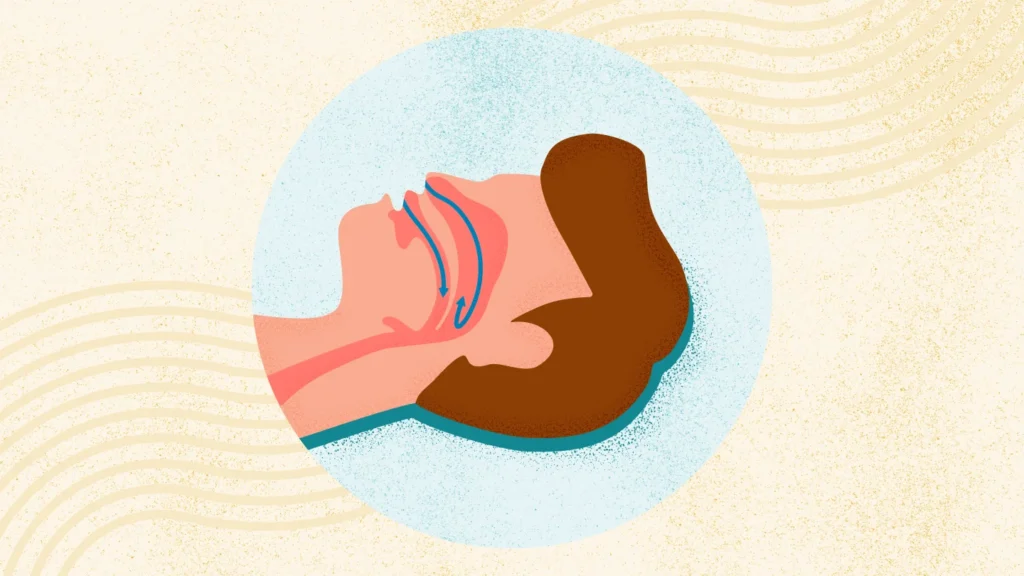
Snoring happens when airflow gets turbulent and soft tissues vibrate. Common contributors include nasal congestion, sleeping on your back, alcohol near bedtime, weight changes, and jaw/tongue position.
Here’s the key: snoring can be “simple snoring,” or it can overlap with obstructive sleep apnea. Apnea is not just noise. It involves partial or full airway blockage during sleep.
Quick self-check: the red-flag pattern
- Witnessed pauses in breathing
- Choking or gasping during sleep
- Morning headaches or dry mouth that’s getting worse
- Strong daytime sleepiness, brain fog, or dozing off easily
- High blood pressure or new/worsening cardiometabolic issues
If that sounds familiar, don’t guess. Use this as a starting point to learn more about Snoring at night? Low vitamin D might be playing a role and consider getting assessed.
What you can try at home this week (simple, not perfect)
You don’t need a 12-step routine. Pick two changes and run them for seven nights. That’s long enough to spot a real pattern.
1) Change the position, change the sound
Back-sleeping often makes snoring louder. Side-sleeping can reduce airway collapse for some people. If you keep rolling onto your back, use a body pillow or a backpack-style “don’t roll” trick.
2) Treat your nose like part of your sleep system
Congestion pushes you toward mouth breathing, which can worsen snoring. Consider a saline rinse, a shower before bed, or addressing allergens in the bedroom. If you can’t breathe through your nose reliably, be cautious with trendy approaches like mouth taping.
3) Time alcohol and late meals like they matter (because they do)
Alcohol can relax airway muscles. Heavy late meals can also make sleep rougher. Try a lighter dinner and a cut-off window for drinks and snacks.
4) Where an anti snoring mouthpiece fits
An anti snoring mouthpiece is designed to support a better airway position during sleep, often by gently adjusting the jaw forward. For the right person, it can reduce the vibration that creates snoring and help protect sleep quality—especially when stress and burnout already have your nervous system running hot.
If you want a product option that pairs two strategies, look at an anti snoring mouthpiece. The goal is simple: quieter breathing, fewer wake-ups, and fewer 2 a.m. negotiations.
When to stop experimenting and get help
Home trials are fine for straightforward snoring. Don’t “life-hack” your way around warning signs.
- Snoring is loud and persistent, and your partner reports breathing pauses.
- You wake up gasping, panicky, or with a racing heart.
- You’re exhausted despite a full night in bed.
- You have significant nasal blockage or chronic sinus issues.
- You have safety-sensitive work (driving, machinery, clinical shifts) and daytime sleepiness.
A clinician can help rule out sleep apnea and guide options like sleep testing, CPAP, oral appliance therapy, or targeted ENT evaluation.
FAQ: fast answers for tired people
Can an anti snoring mouthpiece replace CPAP?
Not necessarily. CPAP is a frontline treatment for many cases of sleep apnea. Mouthpieces may help certain people, but the right choice depends on diagnosis and severity.
How long should I test a mouthpiece before deciding?
Give it a fair trial—often a couple of weeks—unless you have pain, worsening symptoms, or signs of apnea. Track snoring reports, morning energy, and wake-ups.
What if my partner says I still snore sometimes?
That’s common. Aim for improvement, not perfection. Combine the mouthpiece with side-sleeping and congestion control for better odds.
Does stress make snoring worse?
Stress can worsen sleep quality and increase lighter sleep and awakenings, which makes snoring feel more disruptive. It can also amplify relationship tension around sleep.
CTA: make sleep a team sport
Snoring isn’t just “your problem.” It affects both sides of the bed. Agree on a two-week plan, pick one tool, and measure results instead of arguing at midnight.
How do anti-snoring mouthpieces work?
Medical disclaimer: This article is for general information only and is not medical advice. Snoring can be a sign of obstructive sleep apnea or other health conditions. If you have breathing pauses, choking/gasping, severe daytime sleepiness, or worsening symptoms, seek evaluation from a qualified healthcare professional.