
Snoring is funny until it isn’t. One person laughs, the other person stares at the ceiling and counts every breath.
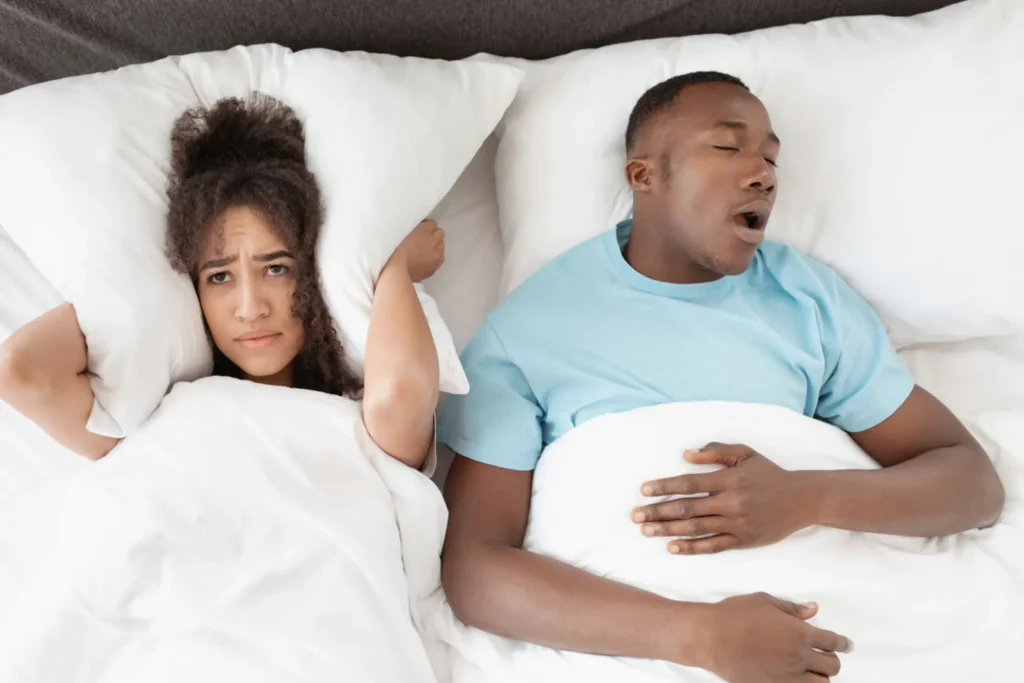
Between sleep trackers, “biohacking” reels, and travel fatigue, more people are realizing the same thing: bad sleep spills into everything.
Thesis: If snoring is hurting sleep quality (and your relationship), an anti snoring mouthpiece can be a practical step—while you stay alert for signs that need medical attention.
Why is everyone suddenly talking about snoring and sleep quality?
Sleep has become a status symbol. People compare readiness scores like they used to compare step counts. Meanwhile, workplace burnout is pushing more of us to notice what we can’t power through: poor sleep.
There’s also a money angle in the headlines. Researchers and health writers keep pointing out that untreated sleep issues—especially obstructive sleep apnea—can drag down productivity and focus at scale. Even if you don’t care about the macro numbers, you feel the micro version the next morning.
And yes, relationship humor is part of it. The “I slept on the couch” joke lands because it’s real. Snoring can turn bedtime into negotiation.
Is snoring just annoying, or can it be a health signal?
Sometimes snoring is simply vibration from relaxed tissues, made worse by back-sleeping, alcohol, congestion, or weight changes. In those cases, the biggest cost is often sleep fragmentation—yours or your partner’s.
Other times, snoring can sit next to something more serious: obstructive sleep apnea (OSA). OSA involves repeated airway collapse and disrupted breathing during sleep. That’s why many articles now frame snoring as a “don’t ignore it” symptom, not just a punchline.
Recent health coverage has also highlighted how certain nighttime habits can raise cardiovascular strain, even in younger adults who otherwise feel fine. The details vary by person, but the takeaway is consistent: sleep isn’t optional maintenance.
If you want a general read on that theme, see this coverage here: Obstructive sleep apnea may cost UK and US economies billions in lost productivity.
How can an anti snoring mouthpiece help, in plain English?
An anti snoring mouthpiece is designed to reduce snoring by improving airflow. Many models do this by gently positioning the lower jaw forward (often called a mandibular advancement approach). Some designs focus on keeping the mouth in a position that supports steadier breathing.
Think of it like changing the “shape” of the breathing pathway during sleep. When the airway is less crowded, tissues tend to vibrate less. Less vibration often means less snoring.
This is why mouthpieces show up in “best anti-snore device” roundups. They’re non-invasive, portable, and they don’t require a power cord—useful when you’re dealing with hotel pillows, red-eye flights, or a partner who has a meeting at 8 a.m.
What a mouthpiece can do well
- Reduce volume and frequency of snoring for many people.
- Support sleep continuity by cutting down wake-ups caused by noise and nudging.
- Travel easily compared with larger sleep equipment.
What a mouthpiece can’t promise
- It can’t guarantee a fix if snoring is driven by untreated OSA or significant nasal obstruction.
- It won’t replace a clinician’s evaluation if you have red flags (see below).
What about mouth taping and other trending sleep hacks?
Mouth taping has been all over social feeds and health explainers lately. The basic idea is to encourage nasal breathing. Some people report benefits, but it’s not a universal “safe for everyone” hack.
If your nose is blocked, taping can be uncomfortable or risky. It can also distract from the real issue: airway collapse, jaw position, or sleep apnea.
A mouthpiece is a different category of tool. Instead of sealing the lips, it aims to change airway mechanics. If you’re choosing between trends, choose the one that matches your likely cause—and don’t be afraid to get screened if symptoms point that way.
How do I tell if I should treat snoring at home or get checked?
Use a simple filter: annoyance vs. warning signs.
Often reasonable to start with practical steps
- Snoring is mild to moderate and mostly positional (worse on your back).
- You wake up feeling okay most days.
- No one has noticed breathing pauses.
Consider medical screening sooner if you notice
- Choking, gasping, or witnessed pauses in breathing.
- Strong daytime sleepiness, morning headaches, or concentration problems.
- High blood pressure or other cardiometabolic concerns (talk with a clinician).
If we’re being honest: how do couples talk about snoring without a fight?
Start with impact, not blame. “I’m not sleeping” lands better than “You’re ruining my life.”
Pick a neutral time to talk. Do it over coffee, not at 2:17 a.m. when someone is already on the edge.
Then agree on a short experiment. A mouthpiece trial, a side-sleeping plan, or a check-in with a professional can feel like teamwork instead of criticism.
What should I look for when shopping for a mouthpiece?
Focus on comfort, fit, and consistency. The best device is the one you can actually wear all night.
- Fit approach: Some are boil-and-bite; others are more structured.
- Jaw comfort: You want gentle positioning, not a forced bite.
- Cleaning routine: If it’s annoying to maintain, it won’t last.
If you’re comparing options, this roundup-style page can help you narrow it down: anti snoring mouthpiece.
Common questions people ask before trying a mouthpiece
Will it feel bulky?
Some do at first. Most people adjust as the mouth gets used to the new position. If you gag easily, look for a lower-profile design.
Can it affect my jaw?
Mild soreness can happen early on. Persistent pain, clicking, or bite changes are reasons to stop and get professional guidance.
Is it worth it if I only snore when I’m stressed or traveling?
That’s exactly when many people want a portable solution. Travel fatigue, alcohol at events, and unfamiliar pillows can all make snoring louder.
Medical disclaimer: This article is for general education and does not provide medical advice. Snoring can be a symptom of obstructive sleep apnea or other conditions. If you have choking/gasping, witnessed breathing pauses, significant daytime sleepiness, or other concerning symptoms, seek evaluation from a qualified clinician.