
On a Monday morning video call, someone keeps their camera off. Not for privacy. They’re hiding the look that says, “I was awake at 2:13 a.m. again.”
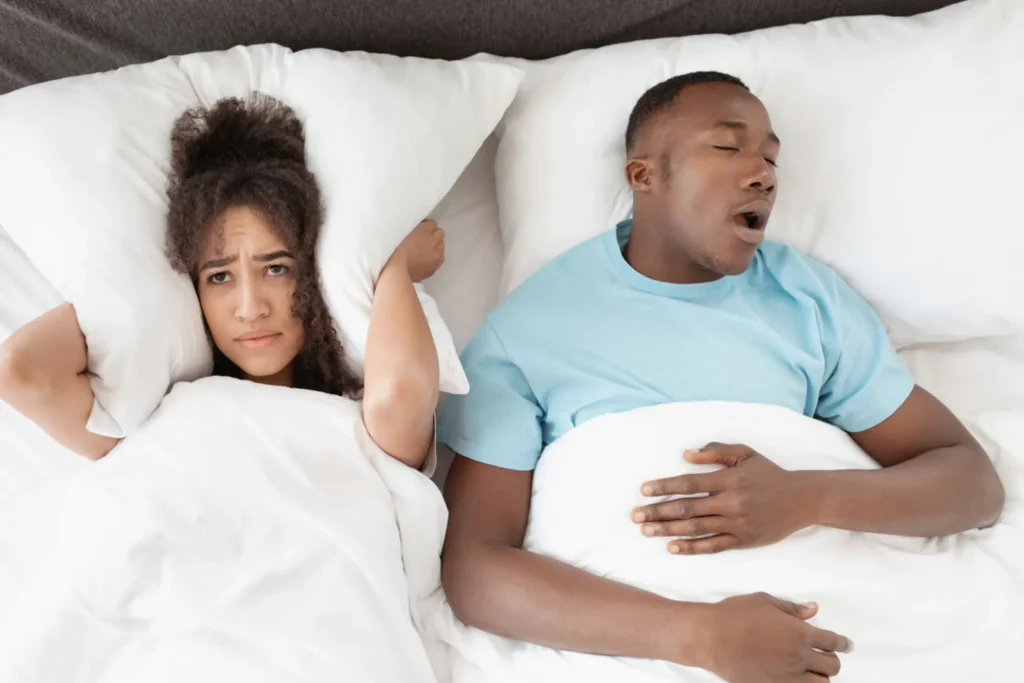
Later, their partner jokes about “sleeping next to a leaf blower,” and everyone laughs. The joke lands, but the stress stays. When snoring becomes a nightly storyline, it can chip away at sleep quality, patience, and the relationship.
Right now, sleep health is having a moment. People are buying sleep trackers, packing travel pillows for red-eye flights, and swapping burnout tips like office folklore. At the same time, researchers are still testing new approaches to reduce sleep disruption, including novel anti-snoring devices in clinical settings.
This guide keeps it simple. Use the “if…then…” branches below to decide whether an anti snoring mouthpiece fits your situation, what else to fix around it, and when to escalate to medical help.
First: what snoring is (and why it’s trending again)
Snoring usually happens when airflow gets noisy as it moves through relaxed tissues in the throat and mouth. That noise can spike with alcohol, congestion, certain sleep positions, and plain old exhaustion.
It’s also getting more attention because people are talking openly about sleep debt. Travel fatigue, late-night scrolling, and workplace burnout all push sleep quality to the edge. Snoring then becomes the loudest symptom in the room.
Decision guide: If…then… pick your next move
If your partner says the snoring is worst on your back, then start with position + a mouthpiece check
Back-sleeping can let the jaw and tongue fall back. That can narrow the airway and make vibration louder.
Then: Try side-sleep support (body pillow, backpack trick, or a positional aid) and consider a mouthpiece designed to hold the lower jaw slightly forward. Many “mandibular advancement” styles aim to reduce the collapse that fuels snoring.
If you wake with a dry mouth or sore throat, then think mouth-breathing and airway resistance
Dry mouth often signals open-mouth breathing. That can amplify vibration and leave you feeling rough even after “enough” hours in bed.
Then: Look at nasal comfort (humidity, allergy triggers, gentle saline) and consider whether a mouthpiece could stabilize the jaw and reduce noisy airflow. If nasal blockage is constant, address that first so you’re not fighting your own breathing.
If snoring got worse after weight changes, stress, or more evening drinks, then tackle the multiplier first
Stress and alcohol relax airway muscles. Weight changes can also increase tissue around the airway, which may raise snoring risk.
Then: Set a “sleep runway.” Cut alcohol close to bedtime, keep meals earlier when you can, and build a wind-down that doesn’t involve doomscrolling. Add a mouthpiece only after you’ve reduced the easy triggers so you can judge what’s actually working.
If you suspect sleep apnea, then don’t guess—screen it
Snoring can be harmless, but it can also show up with obstructive sleep apnea. That’s when breathing repeatedly pauses or becomes shallow during sleep.
Then: Take symptoms seriously: choking/gasping, witnessed pauses, morning headaches, high sleepiness, or high blood pressure concerns. A mouthpiece may still be part of a plan for some people, but you should confirm what you’re treating. Use a clinician-guided evaluation or an appropriate sleep test.
If the bed itself seems to make things worse, then clean up the “sleep environment” variables
People often blame the snorer, but the room can be a co-conspirator. Dust, pet dander, and dry air can irritate airways and nudge you toward mouth breathing.
Then: Wash bedding regularly, consider a hypoallergenic pillow cover, and aim for comfortable humidity. Some people even experiment with cooling routines for pillows or linens for comfort. Keep expectations realistic; comfort helps sleep, but it’s not a medical treatment.
Where anti-snoring mouthpieces fit (and what to look for)
Mouthpieces generally fall into two buckets: those that advance the lower jaw and those that hold the tongue forward. Jaw-advancing options are common for snoring tied to jaw position. Tongue-stabilizing styles may help in specific cases, but comfort varies.
When comparing options, prioritize fit, adjustability, and materials you can tolerate nightly. If you already have jaw issues, significant dental work, or TMJ pain, go slower and consider professional input.
For a broader view of what’s being studied and discussed in the research pipeline, see this reference: Your bed could be hiding the biggest causes of snoring, but help could be hidden in the freezer.
Relationship rules: if snoring is causing fights, then change the script
Snoring is funny in memes and brutal at 3 a.m. Treat it like a shared problem, not a character flaw.
Then: Agree on a short-term plan (earplugs/white noise/guest room) and a long-term plan (trigger cleanup, mouthpiece trial, screening if needed). Set a two-week check-in. That keeps resentment from becoming the main bedtime routine.
FAQ (quick answers)
Do anti-snoring mouthpieces work for everyone?
No. They tend to help when snoring is related to jaw position and airway narrowing, but they may not help if congestion, alcohol, or untreated sleep apnea is the main driver.
Is loud snoring always sleep apnea?
Not always, but loud, frequent snoring plus choking/gasping, morning headaches, or heavy daytime sleepiness can be a warning sign. A clinician can help assess risk.
How long does it take to get used to a mouthpiece?
Many people need several nights to a few weeks. Mild jaw or tooth soreness can happen early on and should improve with proper fit and gradual use.
Can a mouthpiece improve sleep quality even if I don’t wake up?
It can. Snoring and breathing resistance may fragment sleep without you noticing, which can still leave you feeling unrefreshed.
When should I stop using a mouthpiece and get medical advice?
If you have jaw pain that persists, tooth movement concerns, or symptoms like gasping, pauses in breathing, chest pain, or severe daytime sleepiness, pause use and seek medical guidance.
CTA: try a mouthpiece path that matches your real nights
If your snoring is straining sleep and your relationship patience, a mouthpiece can be a practical next step—especially when back-sleeping and jaw position seem to be the pattern.
Explore anti snoring mouthpiece and choose a style you can actually wear consistently.
How do anti-snoring mouthpieces work?
Medical disclaimer: This article is for general education only and is not medical advice. Snoring can be a sign of obstructive sleep apnea or other health issues. If you have choking/gasping, witnessed breathing pauses, significant daytime sleepiness, chest pain, or concerns about your heart health, talk with a qualified clinician promptly.