
It was the third night of a work trip. The hotel pillows were too tall, the room was too dry, and the phone had become an endless scroll machine. Back home, their partner texted a joke: “Did the snoring follow you, or did you pick up a new soundtrack?” It landed as humor, but it also carried a message: sleep isn’t just personal. It’s shared.
Right now, a lot of people are talking about sleep tech, sleep hygiene “rules,” and burnout recovery. That’s helpful, but snoring has its own lane. If you’re searching for an anti snoring mouthpiece, you probably want quieter nights, better rest, and fewer tense bedtime conversations.
Why is everyone suddenly paying attention to snoring and sleep quality?
Sleep has become a mini wellness industry. You’ll see lists of “best sleep products,” app-based tracking, and new gadgets that promise faster knockouts. At the same time, many households are dealing with workplace stress, late-night email habits, and travel fatigue. Those pressures can make snoring feel louder and more frequent.
Snoring also affects the person next to you. That’s why it turns into a relationship topic fast. The “funny” nickname for the snorer can become resentment when someone is running on four hours of broken sleep.
What snoring can do to the next day
Even if you don’t fully wake up, noisy breathing can fragment sleep for both partners. That can show up as fogginess, irritability, and a short fuse. It can also make people reach for more caffeine, then struggle to fall asleep the next night.
When is snoring just snoring, and when should you think about sleep apnea?
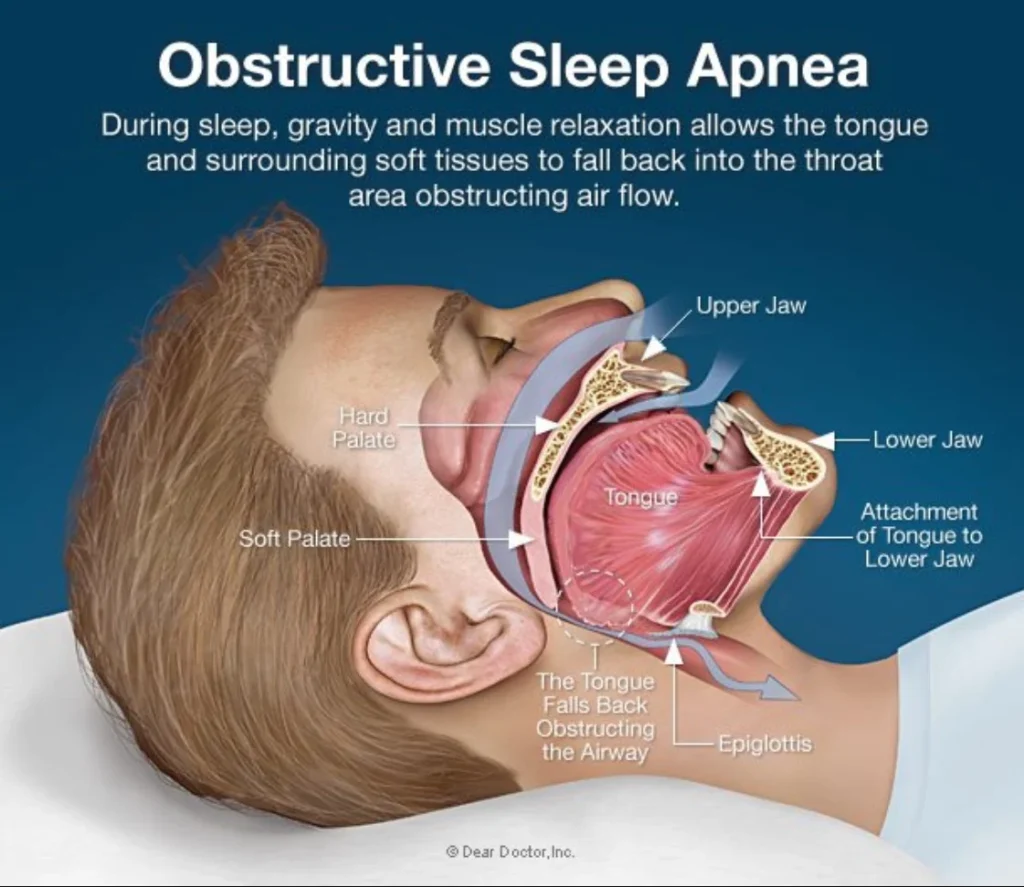
Snoring is common. It can happen from nasal congestion, sleep position, alcohol, or just anatomy. But there’s a line where it’s smart to step back and ask: “Is this only a noise problem, or could it be a breathing problem?”
Sleep apnea is a condition where breathing repeatedly stops or becomes shallow during sleep. If you want a plain-language overview, see 12 Products That Help Us Get a Good Night’s Sleep.
Signs that deserve a real conversation (not just a joke)
- Very loud snoring most nights
- Gasping, choking, or witnessed pauses in breathing
- Waking up with headaches or a very dry mouth
- Daytime sleepiness that affects driving, work, or mood
If those sound familiar, it’s reasonable to ask a clinician about screening. A mouthpiece may still be part of the plan, but you’ll want the right plan.
What does an anti snoring mouthpiece actually do?
Most anti-snoring mouthpieces aim to keep the airway more open during sleep. Many do this by gently positioning the lower jaw forward. Some focus on tongue positioning. The goal is simple: reduce the vibration and airflow restriction that creates the snoring sound.
People like mouthpieces because they’re low-profile compared with many other options. They also travel well, which matters when jet lag and unfamiliar beds make snoring flare up.
Why “fit” is the whole game
A mouthpiece that doesn’t fit can be uncomfortable or ineffective. Too loose and it won’t change airflow much. Too aggressive and it can irritate the jaw or teeth. Comfort is not a luxury here; it’s what makes nightly use realistic.
Are sleep hygiene trends enough, or do you need a device?
Both can matter. The current wave of advice is often about boundaries: stop working well before bed, cut down on doomscrolling, and keep a consistent schedule. Those habits can improve sleep quality and reduce stress, which can indirectly help snoring for some people.
But if the core issue is airway narrowing and vibration during sleep, a routine alone may not quiet things down. That’s when people start comparing products and looking at oral appliances.
A practical combo approach many couples use
- Set a “work ends” time to reduce the wired-and-tired feeling.
- Protect the first hour of bedtime from endless scrolling.
- Try a targeted tool if the noise is persistent, especially when it strains the relationship.
How do you talk about snoring without starting a fight?
Snoring is a sensitive topic because it sounds like blame. Try swapping “You keep me up” for “I miss feeling rested with you.” Make it a shared problem to solve, not a character flaw.
It also helps to agree on what “success” looks like. For some couples, it’s silence. For others, it’s fewer wake-ups, better mood, and no more sleeping on the couch.
What should you look for in a mouthpiece if you’re shopping?
Keep it simple. Look for comfort, a design meant for snoring (not sports), and a plan for consistent use. If you tend to breathe through your mouth at night, some people prefer pairing a mouthpiece with a strap that supports keeping the mouth closed.
If you want a combo option to consider, here’s an anti snoring mouthpiece.
Common questions
Will a mouthpiece fix snoring caused by congestion?
It may help some, but congestion can still drive mouth breathing and turbulence. If you’re sick or dealing with allergies, focus on general comfort and consider talking with a clinician if it’s frequent.
What if my jaw feels sore?
Mild adjustment discomfort can happen. Sharp pain, clicking, or lasting soreness is a reason to stop and seek professional advice.
Can a mouthpiece replace medical care for sleep apnea?
No. If sleep apnea is suspected, treat that as a medical issue. Oral appliances can be part of care for some people, but it should be guided appropriately.
Next step: choose calmer nights, not louder arguments
Snoring sits at the intersection of health, stress, and relationships. You don’t need to chase every new sleep gadget trend to make progress. Start with habits that protect wind-down time, then consider a mouthpiece if the sound is consistent and disruptive.
How do anti-snoring mouthpieces work?
Medical disclaimer: This article is for general education and does not provide medical advice, diagnosis, or treatment. If you have symptoms that suggest sleep apnea (like choking/gasping, breathing pauses, or significant daytime sleepiness), talk with a qualified healthcare professional.