
Snoring isn’t just a “dad joke” anymore. It’s showing up in gadget reviews, travel-recovery threads, and exhausted group chats about burnout.
When sleep gets messy, relationships feel it fast. So does your focus at work.
Bottom line: If your snoring is disrupting sleep quality, an anti snoring mouthpiece can be a practical, low-friction option—if you match it to the likely cause and watch for medical red flags.
What people are talking about right now (and why)
Sleep trends keep cycling through the same storyline: someone tries a new fix, their partner notices first, and the review becomes the receipt. Lately, the buzz has centered on simple tools—nasal strips, nasal dilators, and mouthpieces—because they feel easier than a full sleep-workup.
That fits the moment. Travel fatigue is up, routines are down, and many people are running on “one more email” energy. When you’re stressed, you clench, you breathe differently, and your sleep can get lighter. The snoring that used to be occasional suddenly becomes nightly.
There’s also a growing conversation in dentistry about airway health starting early in life. You’ll see general references to pediatric airway development and why breathing patterns matter. For adults, the takeaway is simpler: your airway isn’t just a nose issue or a throat issue. It’s a whole-system issue.
What actually matters medically (without the hype)
Snoring is vibration—your job is finding the “why”
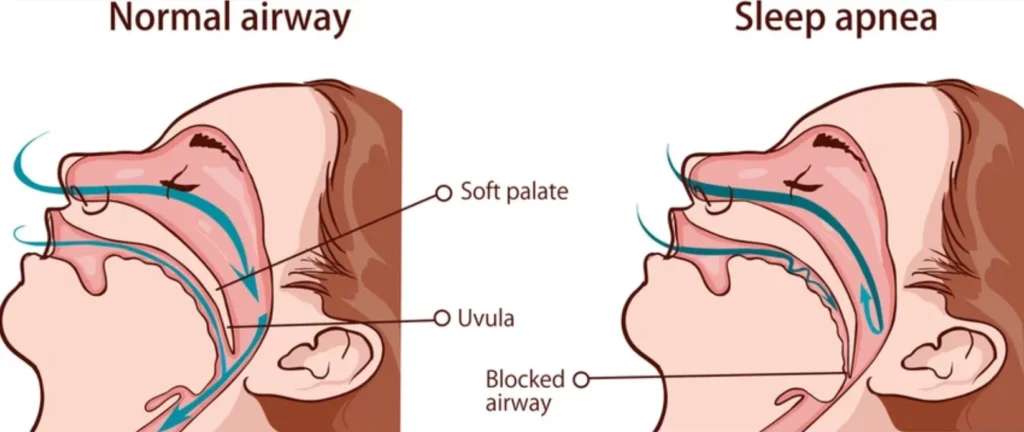
Snoring happens when airflow gets turbulent and soft tissue vibrates. The bottleneck can be in the nose, behind the tongue, or elsewhere along the upper airway.
- Nasal congestion can push you into mouth-breathing, which often worsens snoring.
- Back-sleeping can let the tongue and soft tissues fall backward.
- Alcohol or sedating meds can relax airway muscles and make snoring louder.
- Jaw position can narrow the space behind the tongue, especially in certain facial structures.
It’s also important to separate “snoring” from sleep-disordered breathing. Some people snore and still breathe adequately. Others have obstructive sleep apnea, where breathing repeatedly partially or fully stops during sleep. That’s a different risk category.
Where nasal options fit vs. where mouthpieces fit
Nasal strips and internal nasal dilators aim to improve airflow through the nose. Research discussions around nasal dilators often focus on breathing mechanics and whether they reduce symptoms for some people. If you want a general overview of that research conversation, see this Reviewers Who’ve Struggled With ‘Decades’ Of Congestion Say These Nasal Strips Drastically Improve Breathing.
An anti snoring mouthpiece is a different lever. Many designs work by gently positioning the lower jaw forward, which can help keep the airway more open behind the tongue. Some mouthpieces focus on tongue stabilization instead.
In plain terms: if your snoring is mostly “throat-based” or worse on your back, a mouthpiece may address the problem closer to where it’s happening.
What you can try at home (low drama, high signal)
Step 1: Run a 7-night “snore audit”
Don’t guess based on one night. Track a week and write down:
- Back vs. side sleeping
- Alcohol intake (even “just one”)
- Nasal congestion/allergy symptoms
- How rested you feel (morning and mid-afternoon)
- Partner feedback: volume, frequency, and any pauses or gasps
This turns relationship tension into shared data. It also makes the next step clearer.
Step 2: Clean up the easy snoring triggers
Pick two for the next week:
- Side-sleeping support (pillow placement or a simple positional change)
- Earlier cutoff for alcohol
- Consistent bedtime window (even on travel recovery days)
- Address nasal stuffiness with basic, non-prescription comfort measures
These won’t fix everything. They do reduce noise in the experiment.
Step 3: If it points to jaw/tongue position, consider a mouthpiece
If snoring is worse on your back, worse when you’re exhausted, and not clearly tied to nasal congestion, a mouthpiece is worth considering. Look for comfort, fit, and a design that matches your likely pattern.
If you’re shopping, start here: anti snoring mouthpiece.
Quick usability check: if it hurts, causes sharp jaw pain, or makes your bite feel “off” the next day, stop and reassess. Comfort matters because consistency is the whole point.
When to stop experimenting and get help
Snoring becomes a medical conversation when it comes with warning signs. Don’t try to power through these:
- Breathing pauses, choking, or gasping observed by a partner
- Significant daytime sleepiness or dozing off unintentionally
- Morning headaches or dry mouth that’s getting worse
- High blood pressure concerns, new palpitations, or persistent fatigue
If any of these show up, ask a clinician about screening for obstructive sleep apnea. A mouthpiece may still be part of the solution, but you want the right diagnosis first.
Medical disclaimer: This article is for general education only and isn’t medical advice. Snoring can have multiple causes. If you suspect sleep apnea or have concerning symptoms, consult a qualified healthcare professional.
FAQ: quick answers before you buy another “sleep fix”
Does a mouthpiece help if I’m congested?
Sometimes, but congestion points to a nasal bottleneck. If your nose is the main issue, nasal strategies may matter more than jaw positioning.
Will it work on the first night?
Some people notice a difference quickly. Others need an adjustment period, especially if they’re new to sleeping with an oral device.
Can couples actually sleep better with this?
Yes—when the snoring drops, resentment often drops with it. Agree on a simple “trial window” and review results together.
CTA: make the next step simple
If snoring is turning bedtime into a negotiation, choose one focused tool and test it for a week. That’s better than stacking gadgets and hoping.