
On the third hotel night of a work trip, Alex tried everything: a new sleep app, a “smart” pillow, even a strip of tape that promised better breathing. Nothing stuck. The next morning brought the same combo—dry mouth, foggy focus, and a partner’s text that was half concern, half roast.
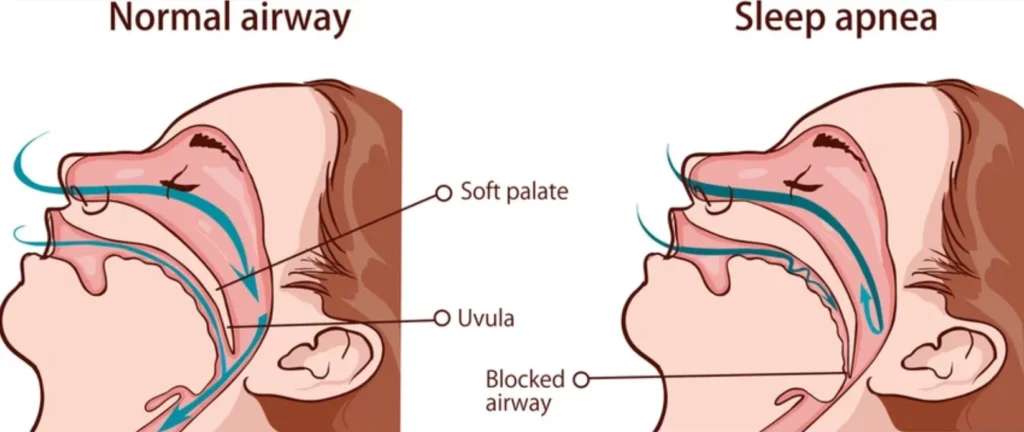
That’s the current sleep mood. People are tired, trying gadgets, and looking hard at breathing habits. Snoring isn’t just a punchline. It can crush sleep quality for you and anyone within earshot.
Overview: what snoring does to sleep quality (and why it’s trending)
Snoring is vibration. Air struggles through a partially narrowed airway, and soft tissues make noise. Even when you don’t fully wake up, your sleep can fragment.
Recent talk about “breathing wrong” has pushed the topic into everyday conversations. Add workplace burnout, travel fatigue, and constant screen time, and people want fast, practical fixes. An anti snoring mouthpiece is one of the few tools that doesn’t require charging, syncing, or a subscription.
Quick safety note before you buy anything
Some snoring is simple. Some isn’t. If you have loud snoring plus choking/gasping, witnessed breathing pauses, morning headaches, or strong daytime sleepiness, treat that as a screening moment, not a shopping moment. Sleep apnea is a medical condition and needs proper evaluation.
Timing: when to try a mouthpiece vs. when to pause and screen
Use this timing check to reduce risk and avoid wasting money.
Try an anti-snoring mouthpiece when
- Snoring is worse on your back or after alcohol.
- You wake with dry mouth from sleeping with your mouth open.
- Your main goal is fewer disruptions and better continuity of sleep.
Pause and talk to a clinician when
- Someone notices breathing pauses, choking, or gasping.
- You have significant daytime sleepiness or dozing at work or while driving.
- You have high blood pressure or other risk factors and snoring is persistent.
Document choices (simple, but useful)
Keep a quick log for 7 nights: bedtime, alcohol, congestion, sleep position, and how you felt in the morning. This protects you from guesswork. It also helps if you later talk with a dentist or sleep clinician.
Supplies: what you’ll want on hand (low drama, high payoff)
- Your mouthpiece and the included fitting instructions (follow those exactly).
- Clean case with airflow vents.
- Soft toothbrush (separate from your regular one).
- Mild soap or cleaner approved for oral appliances.
- Notebook note (or phone note) to track fit changes and comfort.
If you’re comparing products, start here: anti snoring mouthpiece.
Step-by-step (ICI): Identify → Choose → Implement
Step 1: Identify your most likely snoring pattern
You don’t need a lab to start observing. You need consistency.
- Back-sleeping snorer: louder on your back, quieter on your side.
- Mouth-open snorer: dry mouth, sore throat, partner hears “open-mouth” noise.
- Congestion-driven snorer: worse with colds, allergies, or travel dryness.
Step 2: Choose the mouthpiece type that matches the pattern
Many anti-snoring mouthpieces work by gently repositioning the lower jaw forward to keep the airway more open. Others focus on supporting mouth posture. The right match matters more than hype.
If you want a broader overview of what people are reading about breathing and snoring right now, skim this: Why You’re Breathing Wrong, and How to Fix It.
Step 3: Implement safely (fit, ramp-up, and hygiene)
- Fit it exactly as instructed. Over-tightening or “DIY shaping” beyond directions increases jaw stress and poor alignment.
- Ramp up. Wear it for short periods before sleep for a couple nights if needed, then overnight.
- Check your morning bite. Your teeth should settle back to normal shortly after waking. If your bite feels “off” for hours, that’s a stop-and-reassess signal.
- Clean daily. Rinse after use, brush gently, let it dry fully, and store in a clean case.
Mistakes that waste money (or create new problems)
Ignoring screening red flags
If symptoms point toward sleep apnea, a mouthpiece might not be enough. Don’t let relationship jokes or “I’m just a loud sleeper” delay a real evaluation.
Chasing gadgets instead of basics
Sleep tech can be fun. It can also turn bedtime into a project. If you’re in a burnout season, pick one intervention at a time so you can tell what helped.
Starting on the worst possible night
Don’t introduce a new mouthpiece after a late flight, a heavy meal, or a few drinks. Travel fatigue already disrupts sleep. You’ll blame the device for a bad baseline night.
Powering through jaw pain
Mild adjustment discomfort can happen early on. Sharp pain, headaches that feel new, or persistent jaw soreness is different. Stop and get dental guidance, especially if you have a history of TMJ problems.
Skipping documentation
Write down when you changed the fit, how long you wore it, and what improved. This reduces trial-and-error and helps you make safer decisions.
FAQ: quick answers people want before they commit
Can snoring still ruin sleep if I don’t fully wake up?
Yes. Micro-arousals and lighter sleep can leave you feeling unrefreshed even if you don’t remember waking.
Is mouth breathing the same as snoring?
No, but they often show up together. Mouth-open sleep can dry tissues and change airflow, which may worsen snoring for some people.
What if my partner snores too?
Pick one person to change one variable first. Otherwise, you won’t know what worked. Rotate weekly if needed.
CTA: pick a simple plan you can stick to
If snoring is hurting your sleep quality, skip the gadget pile-up. Identify your pattern, screen for red flags, and trial one tool with a short log.
How do anti-snoring mouthpieces work?
Medical disclaimer: This article is for general education only and is not medical advice. Snoring can be a symptom of obstructive sleep apnea or other conditions. If you have concerning symptoms (breathing pauses, choking/gasping, severe daytime sleepiness, or high blood pressure), seek evaluation from a qualified clinician or dentist trained in sleep-related breathing disorders.