
Snoring isn’t just “a funny noise.” It’s a nightly negotiation that can turn bedtime into a low-grade argument.
Between travel fatigue, burnout, and the endless stream of sleep gadgets, people want a fix that feels practical.
If snoring is hurting sleep quality (and the relationship vibe), pair smart sleep habits with an anti snoring mouthpiece approach that matches the cause.
What people are talking about right now (and why)
Sleep advice is having a moment. New-year “reset” content is everywhere, and it usually circles the same themes: build sleep drive, protect your body clock, tighten sleep hygiene, quiet the mental chatter, and stop doom-scrolling in bed.
At the same time, the internet keeps promoting quick hacks. Mouth taping gets debated. Wearables promise perfect sleep scores. Travel season adds jet lag and hotel pillows that feel like bricks.
In real life, the biggest trend is simpler: couples are tired. One person snores, the other person stews, and both wake up cranky.
What matters medically (so you don’t miss the big stuff)
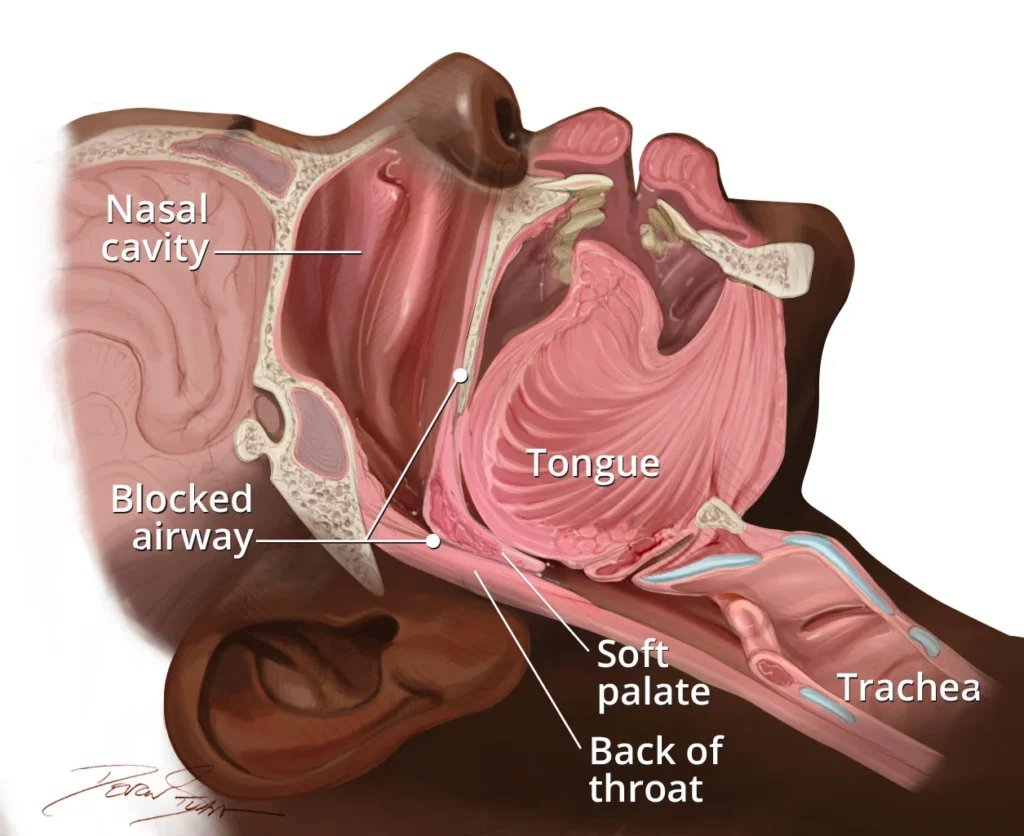
Snoring happens when airflow is partly blocked and soft tissues vibrate. That blockage can come from nasal congestion, sleep position, alcohol, weight changes, jaw/tongue position, or anatomy.
Sometimes, snoring is also part of something more serious. Obstructive sleep apnea involves repeated breathing interruptions during sleep and can show up with loud snoring, gasping/choking, or major daytime sleepiness.
For a general overview of warning signs, see Here are five behavioral and psychological tips for a fresh start toward better sleep in the new year, spanning five categories — sleep drive, circadian rhythm, sleep hygiene, overthinking and pre-bed activity. https://wapo.st/3MQgP1D.
What you can try at home (without turning bedtime into a science project)
1) Do the two-minute “snore debrief” as a couple
Keep it neutral. Aim for facts: how often, how loud, and what seems to trigger it (late drinks, congestion, back-sleeping, exhaustion).
Then pick one change for the week. One. Not five.
2) Use the new-year sleep reset categories—fast
Sleep drive: keep wake time steady most days. Avoid long late-day naps if they wreck bedtime.
Circadian rhythm: get morning light when you can, especially after travel or late nights.
Sleep hygiene: cool, dark room; limit alcohol close to bed; keep the phone out of reach.
Overthinking: write tomorrow’s list earlier in the evening so it doesn’t live in your head at 1 a.m.
Pre-bed activity: trade intense content for something boring on purpose (light reading, simple stretching, calm audio).
3) Consider an anti snoring mouthpiece if jaw position is a likely factor
Many mouthpieces are designed to gently hold the lower jaw forward, which can help keep the airway more open for some sleepers.
If you’re comparing products, start with comfort, adjustability, and realistic expectations. Here’s a starting point for anti snoring mouthpiece.
4) Be cautious with viral “quick fixes”
Trends like mouth taping get attention because they’re simple. Simple isn’t always safe for everyone.
If your nose is often blocked, or you suspect sleep apnea, don’t DIY your way into worse breathing. Choose solutions that keep airflow reliable.
When to stop experimenting and get help
Get medical advice if snoring comes with any of these: witnessed pauses in breathing, gasping/choking, strong daytime sleepiness, morning headaches, high blood pressure concerns, or if you’re falling asleep unintentionally during the day.
Also seek guidance if a mouthpiece causes persistent jaw pain, tooth pain, bite changes, or jaw locking. Comfort matters, but so does safety.
FAQ: quick answers for tired people
Do anti-snoring mouthpieces work for light snoring?
They can. Light snoring still may come from airflow narrowing, and jaw position can be part of that.
What if my partner says I only snore when I’m stressed?
That’s common. Stress can worsen sleep depth, increase mouth breathing, and amplify habits like late-night alcohol or irregular sleep times.
Can I combine a mouthpiece with other strategies?
Yes. Many people do best with a combo: side-sleeping, better nasal breathing, and a mouthpiece when appropriate.
CTA: make the next step simple
If snoring is turning nights into arguments, pick one change you can stick to—and consider a mouthpiece if it fits your situation.
How do anti-snoring mouthpieces work?
Medical disclaimer: This article is for general information only and is not medical advice. It does not diagnose, treat, or replace care from a qualified clinician. If you suspect sleep apnea or have concerning symptoms, seek professional evaluation.