
5 rapid-fire takeaways (save this):
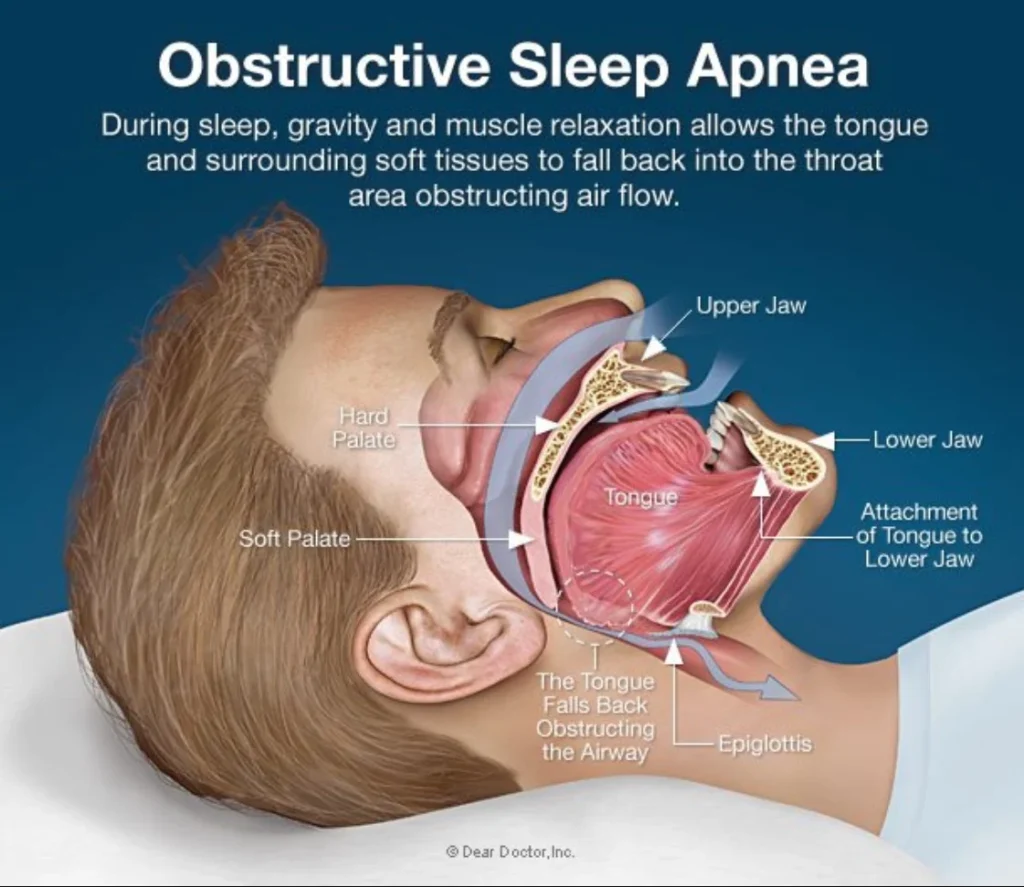
- Snoring is trending because people are tracking sleep, chasing “sleepmaxxing,” and noticing how wrecked they feel after travel and burnout weeks.
- Quieter isn’t the only goal. Better sleep quality means fewer awakenings and better next-day energy, not just less noise.
- An anti snoring mouthpiece can be a practical step when snoring is position-related or linked to relaxed jaw/tongue posture.
- Fit and comfort decide everything. If it hurts, it won’t last. If it’s loose, it won’t work.
- Know your red flags. Loud snoring plus choking/gasping, witnessed pauses, or heavy daytime sleepiness deserves medical screening.
Why snoring is in the spotlight right now
Sleep tech is everywhere. Rings, watches, phone apps, and “smart” pillows all promise insight. At the same time, people are dealing with travel fatigue, packed calendars, and workplace burnout that makes every night feel like a recovery mission.
That mix fuels a bigger conversation: should people self-check for sleep issues before they become long-term problems? Some recent clinical and conference chatter has pushed the idea of self-screening and smarter measurement. It’s also why new anti-snoring devices and trials keep making news.
If you want a general read on what clinicians and researchers discuss around snoring and sleep-disordered breathing, see Should You Ask Patients to Self-Screen for Sleep Issues?.
The decision guide: If…then… pick your next move
Use this like a flowchart. Don’t overthink it. Your goal is fewer disruptions, better breathing comfort, and a setup you can repeat nightly.
If your snoring is mostly a “back sleeping” problem… then start with positioning
Back sleeping often lets the jaw drop and the tongue fall back. That narrows the airway and raises vibration (aka snoring). If your snoring spikes after a long flight or a late-night scroll session, this pattern is common.
Try: side-sleep nudges (body pillow, backpack trick, or a positional aid) and basic nasal comfort (humidification, gentle saline rinse if you already use it). If you still snore, a mouthpiece can add stability by changing jaw or tongue posture.
If your partner says the snoring is “relationship-level loud”… then prioritize a fast, repeatable fix
Snoring has become a running joke online, but it stops being funny when someone moves to the couch. In that scenario, you want something that works without a nightly science project.
Then consider: an anti snoring mouthpiece, because it’s simple to pack, easy to test, and doesn’t need batteries. This is also why mouthpieces stay popular even in a world of sleep gadgets.
If you wake up with a dry mouth or sore throat… then check mouth-breathing and jaw position
Dry mouth can happen when your lips fall open during sleep. It can also show up when congestion pushes you into mouth-breathing.
Then do two things: improve nasal comfort where possible, and look for a mouthpiece style that supports a more stable jaw posture. Comfort matters more than “maximum advancement.” Too aggressive can backfire because you stop wearing it.
If you’re “sleepmaxxing” but still tired… then separate snoring volume from sleep quality
Some trends focus on hacks and rules. They can be motivating, yet they don’t replace basics: consistent schedule, enough total sleep, and fewer awakenings.
Then track the right signals: morning refresh, daytime sleepiness, headaches, and whether anyone notices breathing pauses. A mouthpiece may reduce noise, but persistent fatigue can point to a bigger sleep-breathing issue that needs clinical screening.
If you want to try a mouthpiece… then use this ICI setup (Insert, Comfort, Improve)
This is the fastest way to avoid the “drawer of failed sleep gadgets.”
- Insert: follow the product’s fitting steps exactly. A secure fit beats a tight fit.
- Comfort: aim for neutral comfort first. Mild pressure is common. Sharp pain, jaw locking, or tooth pain is not.
- Improve: make small adjustments over several nights. Pair with side-sleeping if back-sleeping triggers your snoring.
If you can’t tolerate bulk, gagging, or jaw pressure… then choose comfort-forward design and simplify your routine
Compliance is the whole game. A device that’s “perfect on paper” fails if you dread putting it in.
Then focus on: low-profile feel, smoother edges, and a cleaning routine you’ll actually do. Keep the case near your toothbrush so it becomes automatic.
Technique details people skip: positioning and cleanup
Positioning: what “good” feels like
A good setup feels stable, not strained. Your bite should not feel forced in the morning. If you notice jaw soreness that builds each day, back off and reassess fit.
Many snorers do best when the jaw is gently supported forward or the tongue is less likely to fall back. That’s the basic concept, even as device designs vary.
Cleanup: keep it simple so you stay consistent
Rinse after use. Brush lightly with a soft toothbrush. Let it dry fully before storing. That routine reduces odor and buildup without turning your nightstand into a lab bench.
Shopping signal: what to look for in a mouthpiece (without overpaying)
Ignore hype words and look for practical traits: comfort, adjustability (if offered), clear fitting instructions, and a case you’ll use. If you want to compare options, start here: anti snoring mouthpiece.
When to skip DIY and get screened instead
Self-checking is useful, but it has limits. Get medical guidance if you have loud snoring plus any of the following: witnessed breathing pauses, choking or gasping at night, severe daytime sleepiness, high blood pressure concerns, or morning headaches that keep returning.
Also consider screening if you’re using every sleep hack in the book and still feel run down. Burnout can mimic sleep deprivation, and sleep issues can worsen burnout. You want clarity, not guesswork.
FAQ
Is an anti snoring mouthpiece uncomfortable?
It shouldn’t be painful. Expect a short adjustment period, but persistent pain, tooth sensitivity, or jaw locking means the fit or style may be wrong for you.
Do mouthpieces help with travel fatigue?
They can help reduce snoring disruption in hotels or shared rooms. They won’t replace sleep time, but they may protect sleep continuity for you and others.
Can I use a mouthpiece if I have dental work?
It depends. If you have crowns, implants, braces, or TMJ issues, check with a dental professional before using a device that changes jaw position.
CTA: pick a simple next step tonight
If your snoring is hurting sleep quality—or your relationship’s sense of humor—start with a straightforward option you can actually stick with. Comfort, positioning, and consistent cleanup beat complicated setups.
How do anti-snoring mouthpieces work?
Medical disclaimer: This article is for general education and does not provide medical advice, diagnosis, or treatment. If you suspect sleep apnea or have concerning symptoms (breathing pauses, gasping, severe sleepiness), seek evaluation from a qualified clinician.