
5 rapid-fire takeaways:
- Snoring is a sleep-quality problem first—the noise is just the headline.
- Travel fatigue, burnout, and late-night scrolling can make snoring feel worse by fragmenting sleep.
- Not every “viral fix” is smart; trends come and go, but airflow basics stay.
- An anti snoring mouthpiece can help when jaw position is part of the issue.
- Safety matters: screen for red flags, track results, and document what you tried.
The big picture: why snoring feels louder lately
Snoring is having a cultural moment. You can see it in the rise of sleep wearables, “sleepmaxxing” routines, and the way people joke about it on couples’ trips. Add workplace burnout and irregular schedules, and it’s no surprise that more people are searching for practical fixes.
Recent sleep advice in the news keeps circling the same themes: consistent habits, less late-night stimulation, and better breathing. The details vary, but the underlying message is steady—sleep quality depends on repeatable basics, not one dramatic hack.
The human side: relationships, roommates, and the 2 a.m. negotiations
Snoring isn’t only about health. It’s also about the person next to you who has a big meeting tomorrow, or the friend you’re sharing a hotel room with after a delayed flight. That’s where the humor comes in—until it stops being funny.
If snoring is creating tension, aim for a plan that feels fair: reduce the noise source, protect the other person’s sleep, and keep the steps simple enough to stick with. A complicated routine rarely survives a stressful week.
Practical steps people are actually using (before you buy anything)
1) Do a quick “pattern check” for your snoring
Try to notice when it’s worse: after alcohol, during allergy season, after a long travel day, or when you’re sleeping on your back. A short notes app log for 7–10 nights is enough to spot trends.
Also pay attention to mouth dryness in the morning. Ongoing mouth breathing can be a clue that nasal airflow isn’t great, and some recent health coverage has highlighted that mouth breathing may come with downsides for comfort and oral health over time.
2) Make the bedroom boring again (in a good way)
Sleep headlines often emphasize the same boring winners: consistent bed/wake time, a cooler/darker room, and less stimulation late at night. If you’re doomscrolling in bed, your sleep may get lighter—and lighter sleep can make snoring feel more disruptive for everyone.
Pick one change you can keep. For many people, it’s a screen cutoff or a short wind-down routine that doesn’t require a gadget.
3) Address airflow: nose first, then mouth
When nasal breathing is tough, people default to mouth breathing. That can worsen dryness and contribute to noisy breathing for some sleepers. If congestion is a frequent issue, consider general, low-risk steps like keeping the room clean, managing obvious irritants, and discussing persistent blockage with a clinician.
Some tech sites have also pushed back on one-size-fits-all “mouth hacks,” suggesting there are better ways to reduce snoring than following a trend. The main point: choose approaches that improve airflow safely and consistently.
Where an anti snoring mouthpiece fits (and what it’s trying to do)
An anti snoring mouthpiece is typically designed to support airflow by adjusting jaw position (often slightly forward) during sleep. That can reduce tissue vibration in some people, which may reduce snoring volume and improve perceived sleep quality.
It’s not a universal fix. If your snoring is driven by nasal obstruction, untreated sleep apnea, or certain jaw issues, results can be limited. Still, for many adults, a mouthpiece is appealing because it’s portable, doesn’t require power, and travels well—especially when hotel pillows and time zones are already working against you.
If you’re researching options, this guide to a anti snoring mouthpiece can help you compare styles and what to look for.
Safety and screening: how to reduce risk and make a defensible choice
Red flags to screen before self-treating
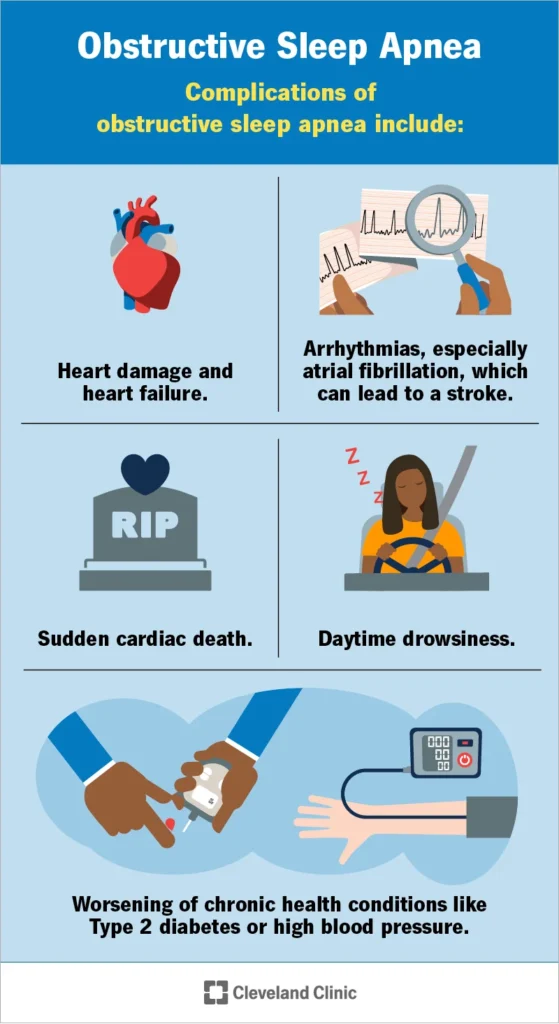
Snoring can overlap with sleep apnea. Don’t ignore warning signs like choking/gasping, witnessed breathing pauses, morning headaches, or significant daytime sleepiness. High blood pressure and sudden worsening also deserve attention.
If any of those fit, talk to a clinician and consider sleep testing. A mouthpiece may still be part of the plan, but you’ll want the right diagnosis first.
How to “test” a mouthpiece approach without guesswork
Make your trial measurable. Track three things for two weeks: snoring reports (from a partner or an app), how you feel in the morning, and any jaw/tooth discomfort.
Set a stop rule. If you develop persistent jaw pain, tooth pain, gum irritation, or headaches, stop and reassess. Comfort is not optional; it’s part of safety.
Reduce hygiene and documentation risks
Keep the device clean and stored properly, and follow the manufacturer’s care instructions. Replace it if it degrades, cracks, or won’t fit correctly.
Document what you tried and when. It sounds formal, but it’s useful: if you later talk with a dentist or sleep clinician, you’ll have a clear timeline of symptoms, changes, and outcomes.
What the mouth-breathing headlines are really pointing at
Several recent pieces have drawn attention to mouth breathing and potential downsides like dryness and oral irritation. If you want a general overview from a mainstream source, see this reference on ‘I’m a sleep expert, these 4 tips will help you beat insomnia for good’.
Use that kind of content as a prompt, not a diagnosis. Your goal is simple: support comfortable breathing at night and protect sleep quality—without gambling on unsafe shortcuts.
FAQ
Do anti-snoring mouthpieces work for everyone?
No. They often help when snoring is related to jaw position and airway narrowing, but they may not help with nasal blockage or certain medical conditions.
Is snoring always a health problem?
Not always, but loud or frequent snoring can be a sign of disrupted sleep or possible sleep apnea. If you have daytime sleepiness or breathing pauses, get evaluated.
What’s the difference between mouth taping and a mouthpiece?
Mouth taping aims to keep lips closed, while a mouthpiece changes jaw or tongue position to support airflow. They address different issues and have different safety considerations.
Can mouth breathing really affect oral health?
It can. Dry mouth may contribute to irritation and gum issues for some people. If you wake with a dry mouth often, it’s worth addressing nasal airflow and sleep setup.
How long does it take to get used to a mouthpiece?
Many people adjust over several nights to a few weeks. Start gradually and stop if you get significant jaw pain, tooth pain, or headaches.
When should I talk to a clinician about snoring?
If you have choking/gasping, witnessed breathing pauses, high blood pressure, significant daytime sleepiness, or snoring that suddenly worsens, ask a clinician for screening.
Next step: pick one change, then add the mouthpiece if it fits
If you want better sleep fast, don’t overhaul your whole life in one weekend. Choose one habit that reduces sleep fragmentation, then test a mouthpiece approach with clear tracking.
How do anti-snoring mouthpieces work?
Medical disclaimer: This article is for general education and is not medical advice. Snoring can be a symptom of sleep apnea or other conditions. If you have severe symptoms, breathing pauses, chest pain, or significant daytime sleepiness, seek evaluation from a qualified clinician.