
- Snoring isn’t just noise. It can chip away at sleep quality for two people at once.
- Trendy sleep gadgets help, but basics still win. Timing, routine, and breathing-friendly habits matter.
- An anti snoring mouthpiece can be a practical middle step. It targets airflow by changing jaw/tongue position.
- Burnout shows up at bedtime. Late work, doomscrolling, and travel fatigue make snoring and light sleep worse.
- Test changes like a mini experiment. Track outcomes for 7–14 nights instead of guessing.
The big picture: why snoring is getting so much attention
Right now, sleep talk is everywhere. People are swapping “one simple tip” clips, comparing wearables, and joking about couples sleeping like roommates. Behind the humor is a real issue: tired mornings that feel like a second job.
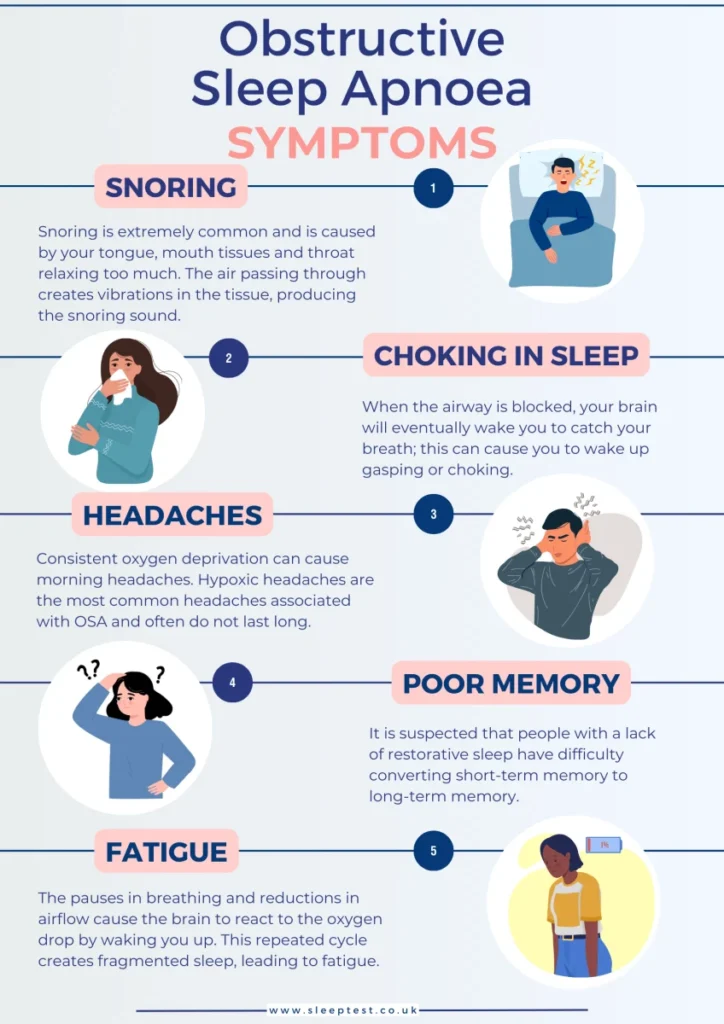
Snoring often sits at the center of that story. It can fragment sleep, trigger repeated wake-ups, and create the kind of low-grade exhaustion that makes workouts, focus, and mood feel harder than they should.
Many headlines push quick fixes. Some are helpful, especially the boring ones: consistent sleep windows, less late-night stimulation, and a calmer runway into bed. If you want a general example of the “simple tip” trend, see this The super simple sleep tip every doctor has told me to try just fixed my morning fatigue, here’s how.
The emotional side: sleep, relationships, and the “not again” moment
Snoring turns bedtime into a negotiation. One person wants closeness. The other wants silence. Then the travel week hits, stress spikes, and suddenly everyone’s sleeping lighter.
It also messes with how people see themselves. Nobody wants to be “the reason” their partner is tired. That guilt can lead to random purchases, like the latest sleep gadget that promises miracles by Friday.
A better approach is simpler: agree on a plan, test it, and keep the tone neutral. You’re not fixing a person. You’re fixing a nightly setup.
Practical steps that actually move the needle
1) Give yourself a real shutdown window
If your brain is still in work mode at bedtime, your body rarely delivers deep sleep. A common trend in sleep advice is cutting off work and heavy problem-solving well before lights out. If you can’t do two hours, start with 30 minutes and protect it.
Use that time for low-stimulation cues: shower, light stretching, reading, or tomorrow’s quick to-do list so your mind stops looping.
2) Reduce the “snore amplifiers” on purpose
Snoring often gets louder with a predictable set of triggers. Late alcohol, heavy meals close to bed, and sleeping flat on your back are common culprits. So is nasal congestion.
Pick one amplifier to address for a week. Stacking five changes at once makes it hard to know what worked.
3) Try positional changes before you buy another gadget
Side-sleeping helps many people because it can reduce airway collapse compared to back-sleeping. If you always wake up on your back, experiment with pillow setup or a simple positional aid.
This is also a good travel move. Hotel beds, red-eye flights, and unfamiliar pillows can make snoring worse. A small adjustment can prevent a whole night from sliding.
4) Where an anti snoring mouthpiece fits
When snoring is linked to jaw and tongue position, an anti snoring mouthpiece can help by gently holding the lower jaw forward or stabilizing oral structures to support airflow. It’s popular because it’s non-surgical and doesn’t require powering up another device.
Look at it as a targeted tool, not a lifestyle. You’re trying to create quieter breathing and fewer sleep disruptions, not “optimize” your way into perfection.
If you’re comparing options, this is one example of a anti snoring mouthpiece that some shoppers consider when they want both jaw positioning and added support for mouth breathing.
Safety and testing: how to know if it’s helping (without guessing)
Run a 10-night test
Do a short trial with a simple scorecard. Track: bedtime, alcohol, sleep position, perceived snoring (partner rating or app estimate), and morning energy. Keep it quick. Consistency beats detail.
Watch for red flags
Stop and get medical guidance if you notice choking/gasping, witnessed breathing pauses, chest pain, severe daytime sleepiness, or high blood pressure concerns. Loud snoring can overlap with sleep apnea, and that deserves proper evaluation.
Protect your jaw and teeth
Mouthpieces can cause temporary soreness, tooth pressure, drooling, or dry mouth. Mild effects can fade as you adapt. Sharp pain, worsening TMJ symptoms, or bite changes are signs to pause and consult a dentist or clinician.
Medical disclaimer: This article is for general education and does not provide medical diagnosis or personalized treatment. If you suspect sleep apnea or have persistent sleep problems, consult a qualified healthcare professional.
FAQ: quick answers people want before they commit
Can a mouthpiece improve sleep quality even if I don’t wake up?
Yes. Snoring can still fragment sleep architecture. Quieter breathing may reduce micro-arousals for some people.
Is a mouthpiece better than a wearable or sleep tracker?
They do different jobs. Trackers measure patterns. A mouthpiece aims to change airflow. Many people use both: one to intervene, one to monitor.
What if my partner is the one who snores?
Make it a shared plan. Agree on a test window and choose one change at a time so it doesn’t turn into nightly blame.
CTA: make tonight easier (and quieter)
If snoring is messing with your recovery, focus, or relationship peace, don’t wait for the “perfect” solution. Pick one baseline habit change and test it. If jaw/tongue position seems like the driver, consider an anti snoring mouthpiece as part of that plan.