
- Snoring is often a sleep-quality problem first, and a noise problem second.
- If you wake up unrefreshed, an anti snoring mouthpiece may be worth testing—after you screen for red flags.
- Comfort and fit decide whether a mouthpiece works long-term.
- Positioning (not just gadgets) can change your airway more than you think.
- Clean-up and consistency matter, because “gross” is the fastest way to quit.
The big picture: why snoring is suddenly everyone’s topic
Sleep has become a full-on culture trend. People swap “sleep hacks,” compare wearables, and argue about bedtime routines like it’s a sport. At the same time, workplace burnout and travel fatigue are making light sleepers even more sensitive to anything that disrupts rest.
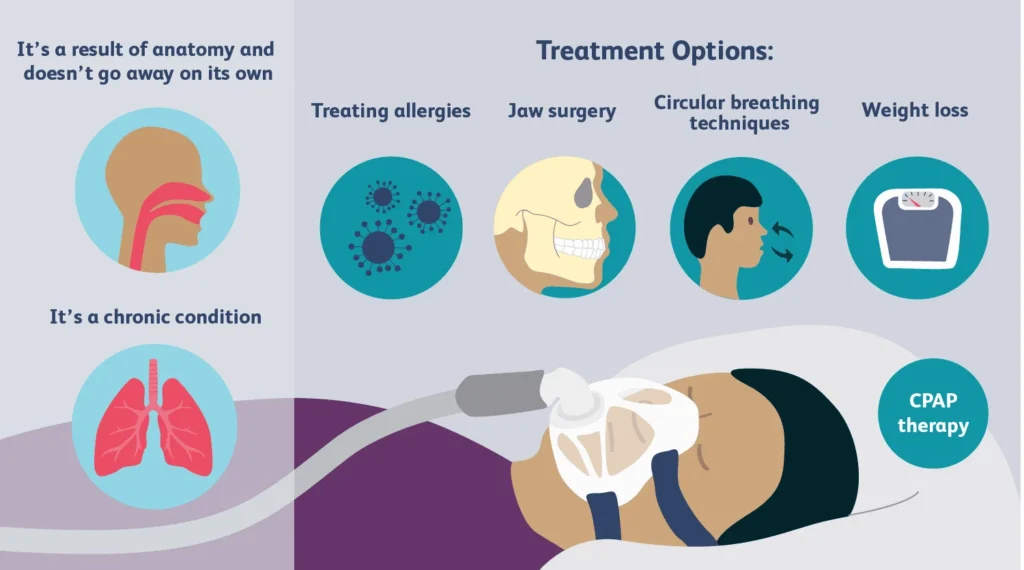
Snoring sits right in the middle of that. It’s loud, it’s common, and it can be a sign that airflow is getting restricted during sleep. Some recent health coverage has also kept the spotlight on obstructive sleep apnea (OSA) and why treating it matters for long-term brain health. If you want a deeper overview of that conversation, see this related piece on Preventing Alzheimer’s disease and dementia by treating obstructive sleep apnea.
The human side: partners, jokes, and the “I’m fine” trap
Snoring is relationship comedy until it isn’t. One person is exhausted. The other feels blamed for something they can’t control. Then the guest room becomes a “temporary solution” that quietly turns permanent.
There’s also the personal pride angle. Plenty of people shrug off snoring because they assume it’s harmless, or they don’t want to deal with medical appointments. That’s understandable. It’s also why a simple, testable approach helps: screen for warning signs, then try practical fixes in a smart order.
Practical steps: a no-drama plan for better sleep quality
Step 1: Separate “simple snoring” from possible OSA
Snoring can happen without sleep apnea. Still, some patterns deserve a real screening. Consider talking to a clinician if you notice loud nightly snoring plus any of these: witnessed breathing pauses, choking or gasping, morning headaches, high daytime sleepiness, or high blood pressure concerns.
Also pay attention to the trend line. If snoring suddenly ramps up with weight changes, alcohol use, nasal blockage, or new medications, that context matters.
Step 2: Use positioning like a tool (it’s underrated)
Back-sleeping often makes snoring worse because gravity encourages the jaw and soft tissues to fall back. Side-sleeping can help many people. A supportive pillow, a body pillow, or a simple “don’t roll onto your back” strategy can be surprisingly effective.
If you travel a lot, hotel pillows and red-eye flights can push you into awkward positions. That’s when snoring tends to spike, even in people who “don’t usually snore.”
Step 3: Where an anti snoring mouthpiece fits
An anti-snoring mouthpiece is designed to improve airflow by changing oral positioning during sleep. Many options work by gently bringing the lower jaw forward, which can reduce airway narrowing in some sleepers.
Think of it like moving a folding chair away from a doorway. The doorway is still the doorway, but you’re creating more usable space for air to pass through.
Step 4: ICI basics—fit, comfort, and follow-through
ICI is a simple way to remember what makes mouthpieces succeed: Interface, Comfort, and Implementation.
- Interface: The mouthpiece should sit securely without feeling like it’s prying your mouth open.
- Comfort: If it causes sharp pain, you won’t wear it. Mild adjustment discomfort can happen early, but it should not feel alarming.
- Implementation: Use it consistently, track snoring changes, and keep it clean so you don’t abandon it after a week.
Step 5: Keep the routine simple (sleep “hacks” are optional)
Sleep routines are trendy right now, including countdown-style rules that reduce late caffeine, alcohol, and screen time. You don’t need a perfect routine to see progress. You do need fewer obvious sleep disruptors.
If you’re testing a mouthpiece, try not to change ten other variables at the same time. Otherwise, you won’t know what helped.
Safety and testing: how to try a mouthpiece without guessing
Start with a short trial and track outcomes
Give it a fair test. Use it for several nights, then check for two things: snoring volume/frequency (partner feedback helps) and how you feel during the day. If you use a sleep app or wearable, treat the data as a clue, not a diagnosis.
Watch for these stop signs
- Jaw pain that worsens or doesn’t fade after an adjustment period
- Tooth pain, gum irritation, or new sensitivity
- Bite changes or the feeling that your teeth “don’t meet” normally
- Ongoing choking/gasping, or severe daytime sleepiness
If any of these show up, pause use and talk with a qualified clinician or dental professional. Comfort is important, but safety comes first.
Clean-up: the unglamorous step that keeps you consistent
Rinse after each use and clean it regularly according to the product directions. Let it dry fully. A funky taste is a motivation killer, and it can irritate your mouth.
Product option to consider (for people who want a combo approach)
If you’re comparing solutions, you may want a combined setup that supports both oral positioning and mouth closure. Here’s one example to review: anti snoring mouthpiece.
FAQ: quick answers people ask at 2 a.m.
Can snoring affect heart health?
Poor sleep quality and sleep-disordered breathing have been linked in general health coverage to cardiovascular strain. If you suspect sleep apnea, screening is the safer next step than self-treating.
What’s the difference between snoring and sleep apnea?
Snoring is sound from turbulent airflow. OSA involves repeated airway obstruction events that can reduce oxygen and fragment sleep. You can snore without OSA, and you can have OSA even if snoring isn’t the main complaint.
Will a mouthpiece fix my fatigue?
It can help if snoring and airway restriction are disrupting sleep. Fatigue also has many causes, so track your response and consider medical input if symptoms persist.
CTA: get the simple explanation first
How do anti-snoring mouthpieces work?
Medical disclaimer: This article is for general education and does not provide medical advice, diagnosis, or treatment. If you suspect obstructive sleep apnea or have significant daytime sleepiness, choking/gasping at night, or other concerning symptoms, seek evaluation from a qualified healthcare professional.