
- Snoring is having a moment—from sleep gadgets to “recovery” routines—because people are tired of being tired.
- Sleep quality beats sleep quantity; staying in bed longer doesn’t always equal better rest.
- Relationship tension is real: snoring turns bedtime into negotiation, not recovery.
- An anti snoring mouthpiece can be a practical first step for many common snoring patterns.
- Some snoring can signal sleep apnea, so knowing the red flags matters.
What people are talking about right now (and why)
Sleep is trending like a wellness flex. You’ll see travel “jet-lag kits,” app scores, smart rings, and influencer-grade bedtime routines. Underneath the hype is a simple truth: many adults feel stretched thin, and night is the only time left to recover.
Snoring lands in the middle of that conversation because it’s loud, disruptive, and awkwardly social. It affects the snorer, the partner, and sometimes the whole household. Add workplace burnout and constant screen time, and bedtime starts to feel like another task instead of a reset.
The new sleep mood: less drama, more data
People want quick answers: “Is my snoring normal?” “Why do I wake up wrecked?” “Is there a gadget that works without turning my nightstand into a lab?” That’s why mouthpieces and other low-friction tools keep showing up in roundups and recommendations.
What matters medically (without overcomplicating it)
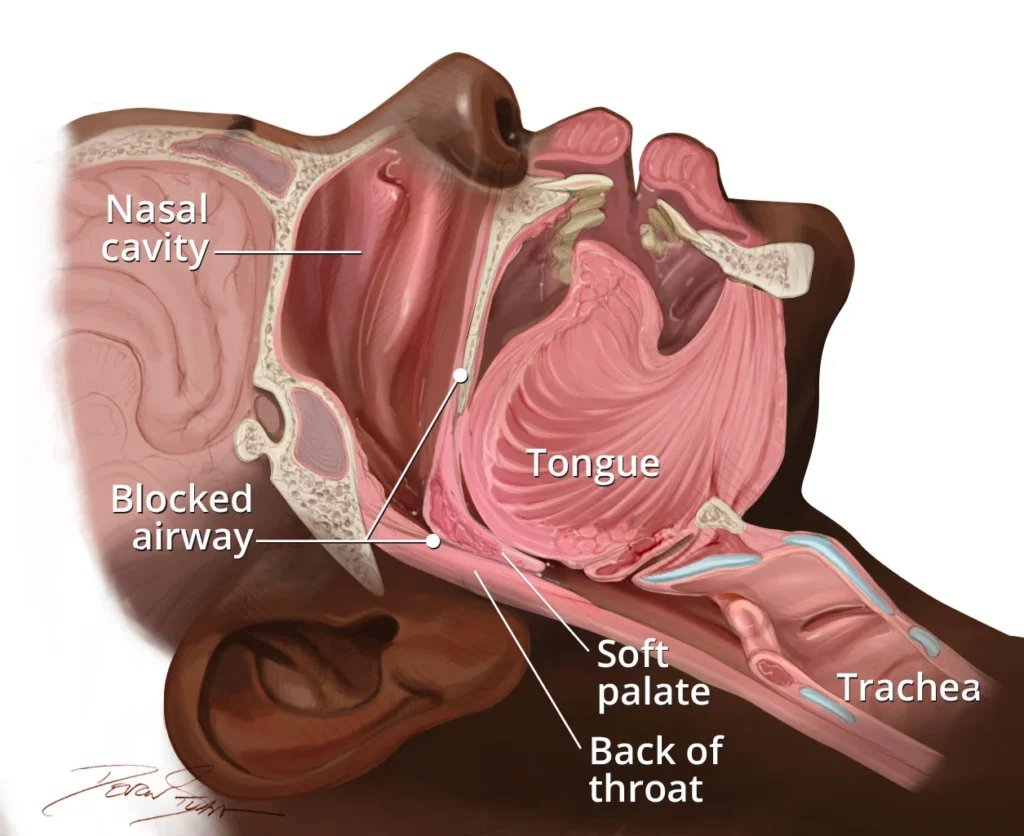
Snoring usually happens when airflow gets noisy as soft tissues relax during sleep. Congestion, sleep position, alcohol close to bedtime, and weight changes can all make it worse. So can simple anatomy, like a narrow airway.
Snoring is not automatically dangerous. Still, it can be a clue. Sleep apnea is a separate issue where breathing repeatedly narrows or pauses during sleep, and it’s often linked with symptoms like loud snoring, choking or gasping, and unrefreshing sleep.
Snoring vs. sleep apnea: the practical distinction
If your partner says you “stop breathing,” or you wake up with a racing heart, pay attention. If daytime sleepiness is strong—nodding off in meetings, while reading, or as a passenger—that’s also a sign to take seriously. For a plain-language overview, see 7 Ways to Help Manage Sleep Apnea, Starting Tonight.
Why “more time in bed” can backfire
When you’re exhausted, it’s tempting to extend your morning. Yet a long lie-in can make waking harder and blur your sleep schedule. Many people do better with a consistent wake time, then improving what happens during the hours they’re actually asleep.
What you can try at home tonight (low-drama edition)
This is the part that helps couples and roommates the most: pick a plan you can repeat. One heroic night doesn’t fix a month of rough sleep. A simple routine does more than a complicated one you quit.
Step 1: Reduce the “airway friction”
- Side-sleeping can reduce snoring for many people, especially if back-sleeping makes it louder.
- Nasal support (saline rinse, humidifier, or nasal strips) may help if congestion is part of the story.
- Alcohol timing matters; for some, drinks close to bedtime noticeably worsen snoring.
Step 2: Try an anti snoring mouthpiece if your pattern fits
Many anti-snoring mouthpieces are designed to gently position the jaw forward to keep the airway more open. Think of it as making a little more “room” for airflow so it’s less likely to vibrate loudly. Fit and comfort are everything, so give yourself a few nights to adapt.
If you want a combined option, consider an anti snoring mouthpiece. Some people like the extra stability, especially if mouth-opening seems to worsen the noise.
Step 3: Protect the relationship while you test solutions
Snoring fights usually aren’t about love. They’re about sleep debt. Agree on a short trial window—like 7 to 14 nights—then reassess together. Keep it light: a quick “how was your sleep?” check-in beats a 1 a.m. argument.
When to stop DIY and get checked
Home strategies are reasonable for mild, uncomplicated snoring. But it’s time to talk with a clinician if any of these show up:
- Breathing pauses, choking, or gasping during sleep (reported by a partner or noticed by you)
- Strong daytime sleepiness, morning headaches, or concentration problems
- High blood pressure concerns or significant cardiometabolic risk factors
- New or rapidly worsening snoring, especially with weight change or after starting sedating meds
- Jaw pain, TMJ issues, or dental problems that make mouthpieces hard to tolerate
Sleep apnea is treatable, and getting the right diagnosis can protect your long-term health and your daily energy.
FAQ
Can an anti snoring mouthpiece help right away?
Some people notice less snoring in the first few nights, especially if the device fits well and you use it consistently. Results vary by anatomy and the cause of snoring.
Is loud snoring always sleep apnea?
No. Snoring can happen without sleep apnea, but loud snoring plus choking/gasping, pauses in breathing, or heavy daytime sleepiness should be checked.
What’s the difference between a mouthguard and a mandibular advancement device?
Many anti-snoring mouthpieces are designed to gently move the lower jaw forward to keep the airway more open. A basic sports-style mouthguard is not designed for that purpose.
What if I can’t tolerate a mouthpiece?
Try small adjustments: different sleep position, nasal support, and a consistent bedtime routine. If snoring persists or you have red-flag symptoms, ask a clinician about other options.
Do I need a doctor before trying a mouthpiece?
Not always, but it’s smart to talk to a clinician if you suspect sleep apnea, have jaw pain/TMJ issues, or have significant daytime sleepiness.
Why does staying in bed longer sometimes make me feel worse?
Extra time in bed can disrupt sleep timing and make waking feel groggier. A steadier schedule and a clearer wake-up routine often feel better than “sleeping in” indefinitely.
Next step: get a clear answer, not another rough night
If snoring is turning sleep into a nightly debate, focus on a solution you can actually stick with. Start simple, track how you feel, and involve your partner in the plan.
How do anti-snoring mouthpieces work?
Medical disclaimer: This article is for general education and does not provide medical advice or a diagnosis. If you suspect sleep apnea or have severe symptoms (breathing pauses, choking/gasping, significant daytime sleepiness), seek evaluation from a qualified healthcare professional.