
- Snoring is a sleep-quality problem, not just a noise problem.
- Sleep gadgets are everywhere right now, but comfort and consistency still win.
- An anti snoring mouthpiece aims to improve airflow by changing jaw/tongue position.
- If you suspect sleep apnea, don’t DIY your way past warning signs.
- The best results usually come from small setup tweaks, clean fit, and a simple routine.
Overview: why snoring feels louder lately
Between travel fatigue, late-night scrolling, and workplace burnout, people are noticing their sleep more. That includes the unglamorous stuff: dry mouth, tossing and turning, and snoring that becomes a running joke in the relationship—until nobody’s laughing at 2 a.m.
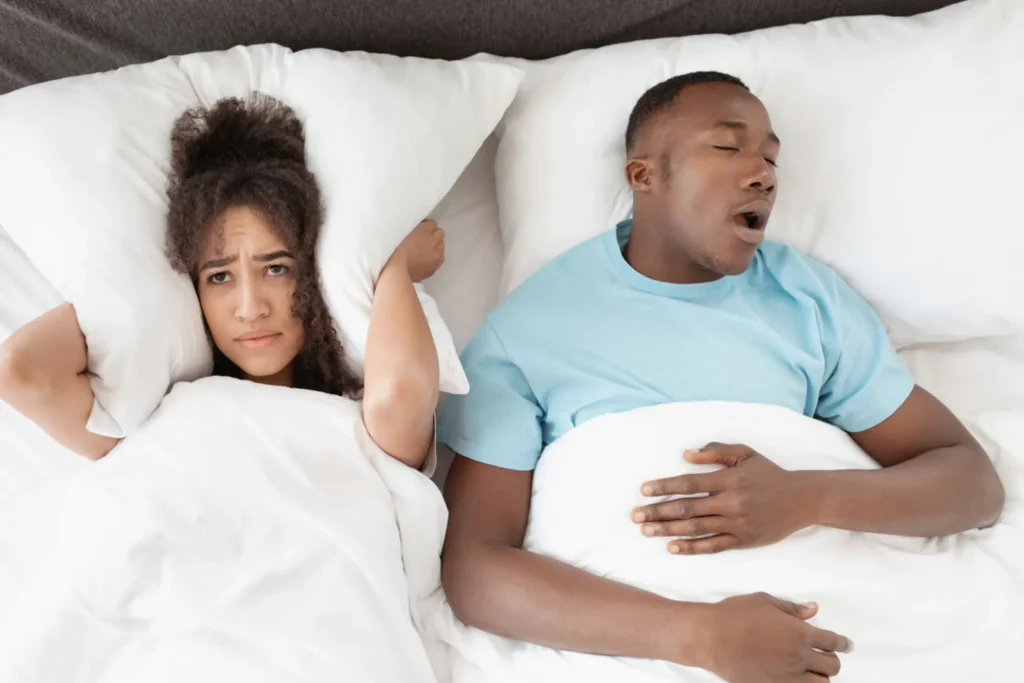
Headlines have also pushed sleep into the spotlight. You’ve probably seen viral hacks (like mouth taping), the growth of adult sleep coaching, and ongoing conversations about CPAP comfort and sleep apnea basics. The common theme is simple: people want a plan that’s realistic, not another trend to chase.
Timing: when a mouthpiece makes sense (and when it doesn’t)
Snoring can come from several things happening at once: sleep position, nasal congestion, alcohol, stress, or how your jaw and tongue relax at night. A mandibular advancement-style mouthpiece is designed to hold the lower jaw slightly forward, which may reduce airway narrowing for some sleepers.
That said, snoring can also be a sign of sleep apnea. If you have choking/gasping, witnessed breathing pauses, or heavy daytime sleepiness, treat that as a medical flag. A mouthpiece may still be part of the conversation, but you’ll want a clinician involved.
For a quick read on the viral side of sleep, here’s a related reference you may have seen in the news: Is Mouth Taping Safe for Sleep? What Parents Should Know About This TikTok Trend.
Supplies: what you actually need (keep it simple)
Core items
- Mouthpiece (follow the product’s fitting instructions)
- Mirror and good lighting for setup
- Case for storage (dry, ventilated)
Comfort and cleanup extras
- Soft toothbrush + mild soap or cleaner recommended by the manufacturer
- Water for rinsing (lukewarm is usually safest)
- Optional: a chinstrap if mouth opening is part of your snoring pattern
Step-by-step (ICI): fit, comfort, positioning, cleanup
This is the practical routine many people miss. The goal is fewer surprises at bedtime.
I — Install (set it up before you’re exhausted)
- Do the fitting earlier in the evening, not when you’re half-asleep.
- Start with the most comfortable advancement setting. More forward isn’t always better on night one.
- Check for sharp edges or pressure points. Small discomfort becomes big at 3 a.m.
C — Comfort (make it wearable, not heroic)
- Wear it for short periods while winding down (reading or light TV) to adapt.
- If you wake with jaw soreness, scale back and re-check fit. Persistent pain is a stop sign.
- Pair it with basic sleep habits: cooler room, consistent bedtime, and less late alcohol.
I — Index (positioning checks that matter)
- Try side-sleeping if you can. Back-sleeping often worsens snoring for many people.
- Notice nasal congestion. If your nose is blocked, you may fight the device all night.
- If you use CPAP and still snore, don’t assume you “failed.” Mask fit and settings can matter, and snoring can have multiple causes.
Cleanup (so it doesn’t get gross)
- Rinse after use and brush gently with a soft toothbrush.
- Let it fully air-dry before storing to reduce odor and buildup.
- Replace it if it cracks, warps, or no longer fits snugly.
Mistakes that keep snoring (and frustration) alive
1) Treating it like a one-night fix
Sleep gear takes an adjustment period. If you change settings every night, you may never adapt.
2) Ignoring nasal breathing
People are talking about simple nasal support more lately, including saline approaches in some contexts. If congestion is frequent, it’s worth discussing with a clinician, especially for children.
3) Over-tightening or over-advancing
More tension can mean more jaw stress. Comfort drives consistency, and consistency drives results.
4) Missing the bigger picture
If you’re dealing with burnout, travel jet lag, or irregular schedules, your sleep may be fragile. A mouthpiece can help snoring, but it can’t replace recovery time.
FAQ: quick answers people want right now
Is snoring always a sign of sleep apnea?
No. But loud, frequent snoring plus breathing pauses or daytime sleepiness deserves evaluation.
What if my partner says the snoring moved from “funny” to “dealbreaker”?
Make it a shared problem to solve. Track what helps (side-sleeping, reduced alcohol, consistent bedtime) and test one change at a time.
Can kids use anti-snoring mouthpieces?
Children’s snoring should be discussed with a pediatric clinician. Don’t self-treat with adult devices.
CTA: a simple next step
If you want a combined approach for jaw position and mouth opening, consider a product designed for both. Here’s a relevant option to review: anti snoring mouthpiece.
How do anti-snoring mouthpieces work?
Medical disclaimer: This article is for general education and is not medical advice. Snoring can be a symptom of sleep apnea or other health conditions. If you have breathing pauses, choking/gasping, chest pain, severe daytime sleepiness, or concerns about a child’s sleep, seek evaluation from a qualified clinician.