
Snoring used to be a punchline. Now it’s showing up in wellness chats, sleep-tracker graphs, and partner group texts.
Between travel fatigue and workplace burnout, people are hunting for fixes that don’t require a whole lifestyle reboot.
If you want a practical, budget-aware next step, an anti snoring mouthpiece can be a smart trial—if you know what it can (and can’t) do.
What people are talking about right now (and why)
Sleep is having a moment. So are sleep gadgets. You’ll see rings, mats, apps, and “connected care” language everywhere, plus news about newer oral appliances entering more tech-enabled ecosystems.
At the same time, dental and medical groups keep highlighting that snoring sometimes overlaps with obstructive sleep apnea. That’s why the conversation has shifted from “annoying noise” to “sleep health signal.”
If you want the broader clinical backdrop, skim this coverage on January JADA outlines emerging dental therapies for obstructive sleep apnea.
The part that matters medically (without the drama)
Snoring happens when airflow gets noisy as tissues in the throat vibrate during sleep. It can show up more when you’re congested, overtired, sleeping on your back, or after alcohol.
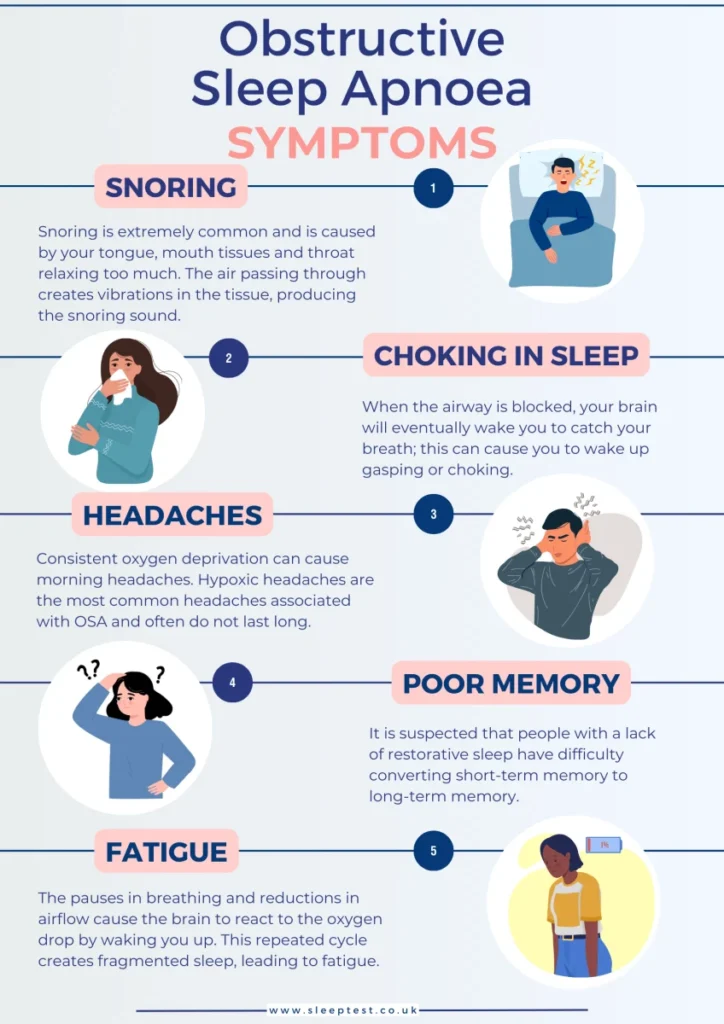
Snoring can also sit on the same spectrum as obstructive sleep apnea (OSA), where the airway repeatedly narrows or collapses during sleep. OSA is associated with meaningful health risks and deserves real evaluation, not just a gadget swap.
Quick self-check: “nuisance” vs “needs a closer look”
- More likely nuisance: snoring mainly after late meals, alcohol, colds, or back-sleeping; you feel rested most days.
- Get checked soon: witnessed breathing pauses, choking/gasping, loud snoring most nights, morning headaches, high daytime sleepiness, or high blood pressure concerns.
Bottom line: a mouthpiece may help snoring and some breathing-related sleep issues, but it’s not a substitute for proper screening if red flags are present.
How to try at home (without wasting a cycle)
Think in layers. Start with the cheapest levers first, then add a mouthpiece if the pattern fits.
Layer 1: Make snoring less likely tonight
- Side-sleep setup: a pillow behind your back or a positional aid can reduce back-sleeping.
- Nasal airflow: address congestion (saline rinse, shower steam, or nasal strips if they help you).
- Timing: avoid heavy meals and alcohol close to bedtime if you notice a clear link.
- Travel reset: after flights or late check-ins, prioritize hydration and a consistent sleep window to reduce “crash sleep” snoring.
Layer 2: Add an anti snoring mouthpiece (what it’s for)
An anti snoring mouthpiece typically works by gently repositioning the lower jaw forward to keep the airway more open. Some people prefer a combo approach that also supports keeping the mouth closed if mouth-breathing is part of the problem.
If you want a simple product-style option to consider, see this anti snoring mouthpiece. Focus on comfort, adjustability (if available), and whether you can tolerate it for a full night.
Layer 3: Track results like a grown-up (simple, not obsessive)
- Partner feedback: “louder/quieter” beats guessing.
- Two numbers: morning energy (1–10) and daytime sleepiness (1–10).
- One note: alcohol, congestion, or back-sleeping that night.
Give it a short trial window. If the mouthpiece helps noise but you still feel wrecked, that’s useful data for a clinician.
When to stop DIY and get help
Don’t try to “power through” symptoms that suggest a bigger issue. Get medical advice if you have loud nightly snoring plus breathing pauses, gasping, or significant daytime sleepiness.
Also pause and get dental input if you develop ongoing jaw pain, tooth pain, or a bite that feels different after using an appliance. Comfort matters, and fit matters.
Medical disclaimer: This article is for general information only and isn’t medical advice. It can’t diagnose sleep apnea or other conditions. If you suspect obstructive sleep apnea or have concerning symptoms, talk with a qualified clinician or a dentist trained in dental sleep medicine.
FAQ
Can an anti snoring mouthpiece improve sleep quality fast?
Some people notice quieter nights quickly, but comfort and fit matter. Give it several nights to adjust and track changes in snoring and daytime sleepiness.
Is snoring always a sign of sleep apnea?
No. Snoring is common and can be benign, but loud frequent snoring plus choking/gasping, witnessed breathing pauses, or heavy daytime sleepiness can be a red flag.
What’s the difference between a mouthpiece and a CPAP?
CPAP delivers air pressure through a mask and is a standard treatment for obstructive sleep apnea. Mouthpieces (oral appliances) reposition the jaw or tongue and may be used for snoring and certain cases of sleep apnea under clinician guidance.
Do mouthpieces hurt your jaw or teeth?
They can cause temporary soreness, bite changes, or tooth discomfort, especially with poor fit or over-advancement. Stop if pain persists and consider a dental evaluation.
What if my partner says my snoring is worse after travel or alcohol?
That’s common. Travel fatigue, sleeping on your back, nasal congestion, and alcohol can all increase snoring, so those nights may need extra attention to basics like position and nasal airflow.
Next step: get a quieter baseline
If your goal is fewer wake-ups, fewer jokes about “sleep divorce,” and better mornings without a big spend, start with the basics for a week. Then consider an appliance trial if snoring still breaks sleep.