
Snoring isn’t just “background noise.” It can turn a full night in bed into low-grade sleep deprivation. Then you wake up with travel-fatigue energy, even if you never left town.
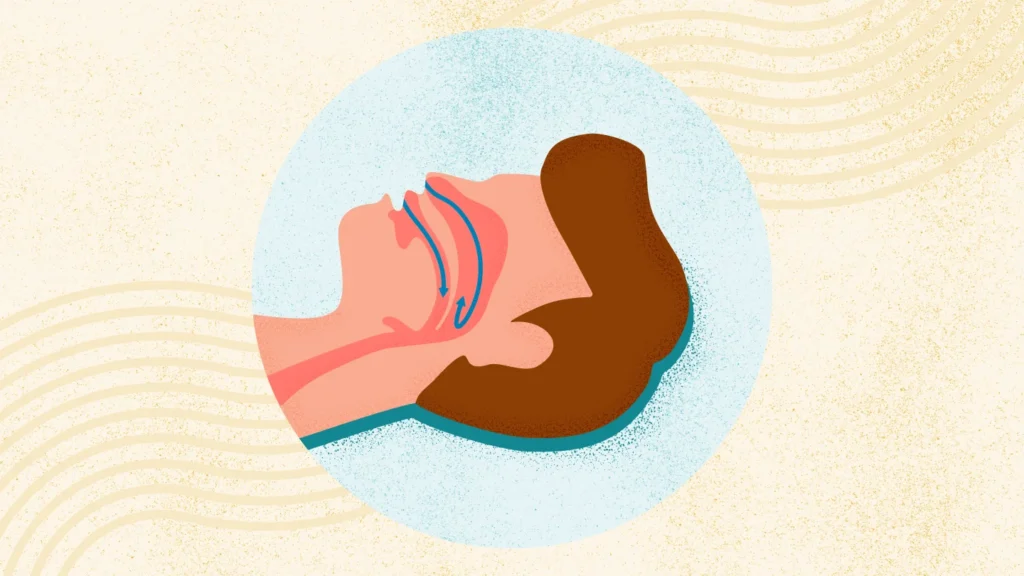
Here’s the practical truth: you can often improve sleep quality at home by pairing a few basics with an anti snoring mouthpiece—without buying a drawer of sleep gadgets.
Overview: why snoring is having a moment
Sleep is trending like a health metric now. People compare Oura scores, swap “one weird tip” reels, and joke about relationship “sleep divorces” (separate rooms) like it’s a personality trait.
Behind the humor is a real issue: snoring can fragment sleep for the snorer and the person listening. That can spill into mood, focus, and the kind of workplace burnout that makes every meeting feel louder than it should.
Also worth saying plainly: some snoring is simple. Some snoring can be connected to sleep-disordered breathing, including sleep apnea. If you want a general explainer, see What is Sleep Apnea?.
Timing: when to try home fixes vs. when to get checked
Use a budget rule: try a focused two-week experiment first. If you improve, you saved time and money. If you don’t, you have clean data to bring to a clinician.
Good time for an at-home plan
- Snoring is positional (worse on your back).
- It spikes with alcohol, late meals, or congestion.
- Your partner reports noise, but not choking or gasping.
Don’t “DIY” these red flags
- Witnessed pauses in breathing, choking, or gasping.
- Strong daytime sleepiness, morning headaches, or high blood pressure concerns.
- Snoring in kids (always worth discussing with a pediatric clinician).
Headlines lately have also highlighted kid-focused approaches like simple nasal care being studied for sleep-disordered breathing. That’s a reminder: age, anatomy, and underlying causes matter. If you’re unsure, get guidance instead of guessing.
Supplies: the low-cost kit that covers most bases
- Anti snoring mouthpiece (the main tool if your snoring relates to jaw/tongue position).
- Basic nasal support: saline rinse/spray if you get stuffy (especially after flights, dry hotel rooms, or winter heat).
- Side-sleep cue: body pillow or a simple “back-sleep blocker” setup.
- Phone notes: quick log of bedtime, alcohol, congestion, and how you felt in the morning.
If you’re comparing products, one option to look at is an anti snoring mouthpiece. Combos can be useful for people who drop their jaw open during sleep.
Step-by-step (ICI): a simple routine that doesn’t waste a cycle
This is an ICI plan: Identify what’s driving your snoring, Change one variable at a time, then Inspect results.
1) Identify your likely snoring pattern (2 nights)
- Position: Is it louder on your back?
- Nasal: Do you feel blocked, dry, or congested?
- Jaw/mouth: Do you wake with dry mouth or sore throat?
- Fatigue: Are you tired even after “enough” hours?
Keep it simple. You’re not diagnosing. You’re spotting patterns.
2) Change: run the “three-lever” test (7 nights)
Lever A: nasal comfort. If you’re stuffy, use saline before bed. Dry air and travel fatigue can make nasal breathing harder, which can worsen snoring.
Lever B: side sleeping. Set up your pillow so rolling onto your back is less likely. Many people snore more when gravity pulls the jaw and tongue backward.
Lever C: anti snoring mouthpiece. Follow the product instructions for fitting and wear time. Comfort matters; if it’s painful, don’t “push through.”
3) Inspect: score results like a grown-up, not a gadget ad (7 nights)
- Did your partner report fewer wake-ups?
- Did you wake less dry or less foggy?
- Did you need less caffeine to feel normal?
If you get meaningful improvement, keep the routine. If nothing changes, it’s a sign to reconsider the cause and talk with a professional about screening.
Mistakes that waste money (and sleep)
Chasing viral hacks first
Trends come fast: mouth taping, extreme “biohacks,” and expensive wearables. Some may help certain people, but they can be a bad match if you can’t breathe well through your nose or if sleep apnea is possible. When in doubt, ask a clinician.
Assuming “quiet” means “healthy”
Sometimes the snoring stops and couples still sleep apart because sleep quality never recovered. Quiet can be progress, but it’s not the only metric. Morning energy and daytime alertness matter too.
Ignoring fit and comfort
A mouthpiece that’s too aggressive can cause soreness or make you quit. A gentle, consistent setup usually beats a “tough it out” approach.
Changing five things at once
If you add a mouthpiece, new pillow, new supplements, and a new bedtime in the same week, you won’t know what worked. Keep it boring. Boring is how you learn.
FAQ
Can an anti snoring mouthpiece improve sleep quality?
It can for many people by helping keep the airway more open and reducing vibration noise. Results depend on the cause of snoring and how well the device fits.
Is snoring always a sign of sleep apnea?
No. Snoring is common and can come from congestion, sleep position, alcohol, or anatomy. But loud, frequent snoring plus choking/gasping or daytime sleepiness deserves medical evaluation.
Are mouth-taping trends safe for snoring?
It’s not a one-size-fits-all approach. If you have nasal blockage, breathing issues, or possible sleep apnea, mouth taping could be risky—talk to a clinician first.
How fast should a mouthpiece help?
Some people notice change the first night, while others need several nights to adjust. If there’s no improvement after a couple of weeks, reassess fit, habits, and possible medical causes.
What if the snoring stops but I still feel tired?
You might still have fragmented sleep from stress, poor sleep schedule, medications, or an untreated breathing disorder. Track symptoms and consider a professional sleep evaluation.
CTA: make the next two weeks count
You don’t need a perfect sleep setup. You need a repeatable plan that reduces noise, protects sleep quality, and fits real life.
How do anti-snoring mouthpieces work?
Medical disclaimer: This article is for general education only and isn’t medical advice. Snoring can have many causes, including sleep apnea. If you have breathing pauses, choking/gasping, severe daytime sleepiness, or concerns about a child’s sleep, seek evaluation from a qualified clinician.