
On a Sunday night, an exhausted traveler drops a suitcase by the door and tells themselves they’ll “sleep like a rock.” Ten minutes later, their partner is staring at the ceiling, doing the quiet math of how many hours until Monday. The next morning, both people feel wrung out—one from snoring, the other from listening.
That’s why snoring is having a moment in the wider sleep conversation. Between workplace burnout, wearable sleep scores, and a new wave of sleep gadgets, people want something that improves sleep quality without turning bedtime into a science project.
This guide breaks down what people are asking right now—and where an anti snoring mouthpiece can fit, with an emphasis on comfort, positioning, and simple cleanup.
Is snoring “just annoying,” or can it signal something bigger?
Snoring can be a harmless vibration problem. It can also show up alongside symptoms that deserve attention. In recent health conversations, more people are sharing how nighttime breathing issues can affect energy, mood, and daily functioning.
If your snoring comes with gasping, choking, morning headaches, or heavy daytime sleepiness, don’t write it off as a quirky habit. Snoring and sleep apnea are not the same thing, but they can overlap. If you’re unsure, it’s smart to talk with a clinician.
For a broader, personal look at how breathing-related sleep symptoms can ripple into daily life, see this related coverage: What I Wish I Knew: How Much OSA Symptoms Would Affect My Sleep and Daily Life.
Why does snoring feel worse lately (travel, trends, burnout)?
People tend to notice snoring more when sleep is already fragile. That’s common during high-stress weeks, after long flights, or when routines shift.
Also, modern “sleep optimization” culture puts a spotlight on every disturbance. When your watch says your sleep was “poor,” a partner’s snoring stops being background noise. It becomes the villain in the story.
Common triggers people report
- Back sleeping: Gravity can make the airway more collapsible.
- Alcohol close to bedtime: It may relax tissues more than expected.
- Nasal congestion: Mouth breathing can increase vibration and dryness.
- Overtired nights: Sleep debt can deepen relaxation and worsen snoring.
What does an anti snoring mouthpiece actually do?
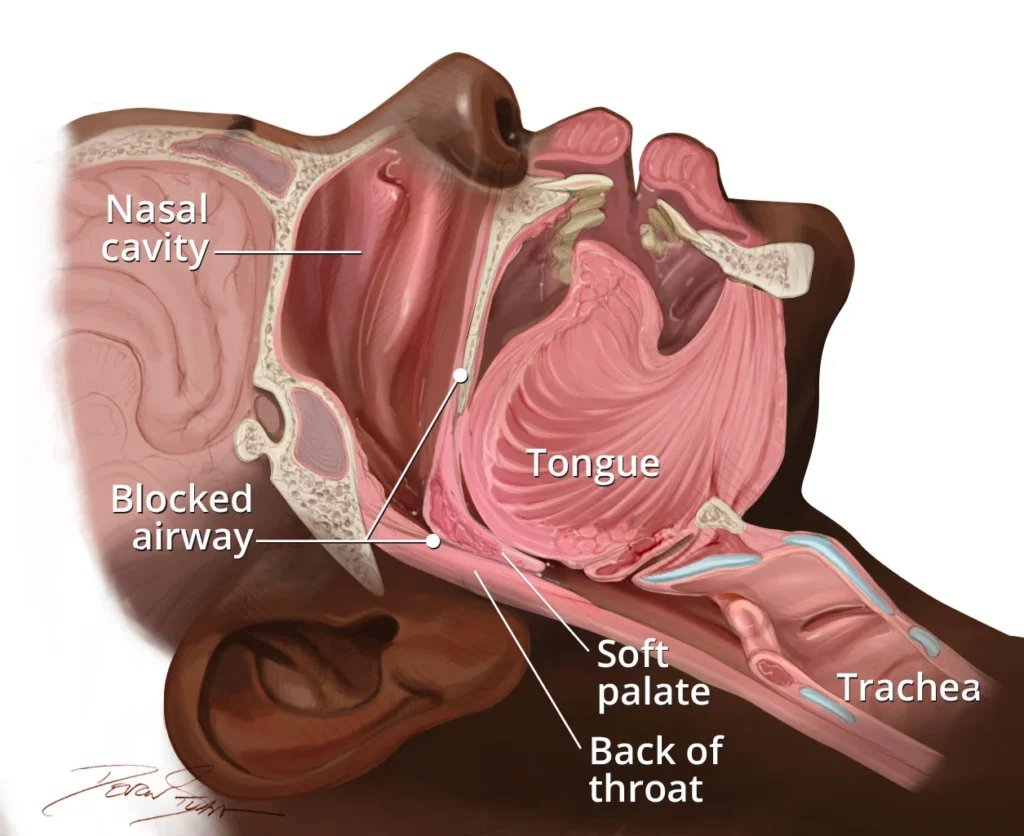
Most anti-snoring mouthpieces aim to reduce the conditions that create loud vibration. In plain terms, they try to keep airflow steadier by changing positioning inside the mouth.
Some designs focus on jaw position. Others focus on tongue position. Either way, the goal is similar: help keep the airway more open during sleep so tissues don’t flutter as much.
Where comfort and “ICI basics” matter
Think of ICI as a quick mental checklist:
- Increase comfort: A device you can’t tolerate won’t help your sleep quality.
- Check positioning: Small fit changes can matter more than brute force.
- Improve consistency: Use it enough nights to judge results fairly.
How do you choose a mouthpiece without overthinking it?
There’s a lot of buzz around “best anti-snore devices,” and it can feel like you need a spreadsheet. You don’t. Start with your real-life problem: volume, frequency, and what happens when you change sleep position.
Practical selection filters
- Fit approach: Look for a design that matches your tolerance for bulk and your gag reflex sensitivity.
- Jaw comfort: If you wake with jaw soreness, you may need a gentler setup or a different style.
- Partner impact: The best device is the one that reduces disruption for both people.
If you want a single product option to compare against, you can review this anti snoring mouthpiece. Pairing approaches can appeal to people who suspect mouth opening plays a role, but comfort still comes first.
What about mouth tape and other viral sleep gadgets?
Sleep trends move fast. Mouth tape is one of those ideas that gets shared like a shortcut. Some people like the concept because it feels simple and “biohack-y.”
Still, it’s not one-size-fits-all. If you can’t breathe well through your nose, taping the mouth can be uncomfortable or risky. If you’re curious, talk to a clinician, especially if you have congestion, allergies, or suspected sleep apnea.
In general, mouthpieces and tape solve different problems. A mouthpiece targets positioning and airflow mechanics. Tape targets lip closure. They aren’t interchangeable.
How can you make a mouthpiece more tolerable (positioning, routine, cleanup)?
Most “it didn’t work” stories are really “it was uncomfortable” stories. Comfort drives consistency, and consistency is how you learn whether it helps your snoring.
Positioning tips that don’t require guesswork
- Start on easier nights: Try it when you’re not sick or severely congested.
- Pair with side-sleep support: A pillow setup that discourages back-sleeping can reduce the load on any device.
- Watch for jaw strain: Mild awareness is one thing. Sharp pain is a stop sign.
Cleanup that keeps it simple
- Rinse after each use to remove saliva and debris.
- Wash gently with mild soap and cool water unless the instructions say otherwise.
- Dry fully before storing to reduce odor and buildup.
When should you stop DIY and get checked?
Snoring can be a quality-of-life issue. It can also be a health signal. Consider professional evaluation if you notice loud snoring plus daytime sleepiness, witnessed pauses in breathing, or frequent nighttime gasping.
Medical disclaimer: This article is for general education and does not provide medical advice, diagnosis, or treatment. If you think you may have sleep apnea or another sleep-related condition, seek evaluation from a qualified clinician.
FAQ: quick answers people want before they buy
Is snoring always caused by mouth breathing?
No. Snoring is usually vibration from relaxed tissues and airflow. Mouth breathing can contribute, but it’s not the only cause.
Can a mouthpiece improve sleep quality even if I don’t wake up?
It might. Reduced snoring can mean fewer micro-disruptions for a partner, and sometimes for the snorer too. Results vary.
What if my partner is the snorer?
Make it a shared problem, not a character flaw. Keep it light, agree on a trial period, and track whether either of you feels more rested.
Ready to compare options?
If you’re exploring ways to reduce snoring without turning bedtime into a gadget lab, start with comfort and positioning first. Then build a simple routine you can actually keep.