
You can buy a sleep gadget in two taps. You can’t buy back a week of lousy sleep. If snoring is in the mix, your “recovery” nights may not be recovering anything.
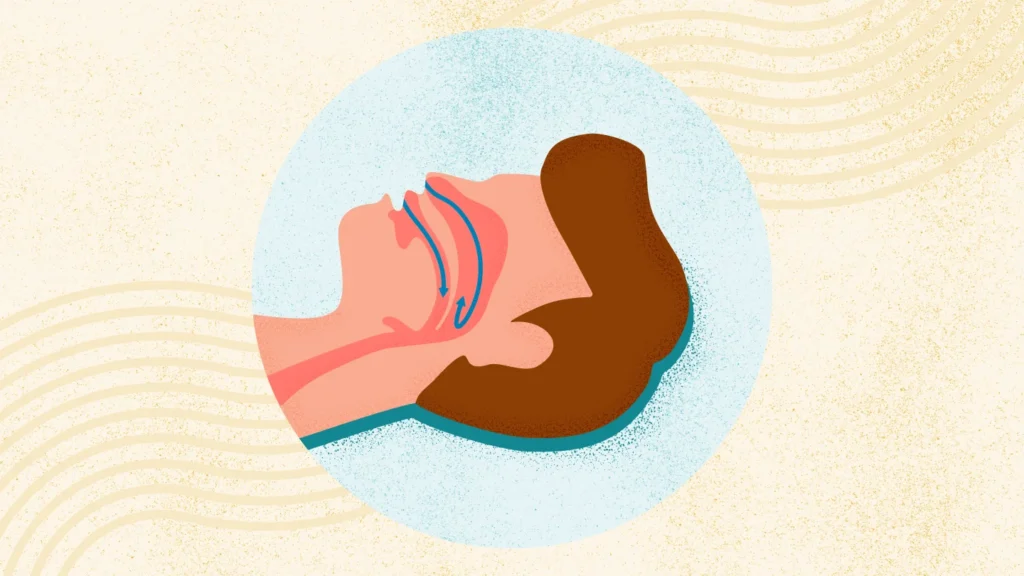
Thesis: Treat snoring like a sleep-quality problem first—and use an anti snoring mouthpiece only when the timing and fit make sense.
Overview: Why snoring is trending beyond “annoying”
Snoring jokes are everywhere—especially in relationship reels and travel memes. Yet the tone in health coverage has shifted. More articles now frame snoring as a signal to pay attention to sleep health, not just a punchline.
That shift lines up with broader conversations about burnout, wearable sleep scores, and “why am I still tired?” mornings. It also lines up with renewed interest in obstructive sleep apnea (OSA) and why it matters for long-term health.
If you want a quick snapshot of what’s being discussed, scan Preventing Alzheimer’s disease and dementia by treating obstructive sleep apnea. Keep it simple: the theme is that untreated sleep-disordered breathing can carry real consequences, so it’s worth taking seriously.
Timing: When to try a mouthpiece—and when to pause
Snoring spikes when life gets messy. Think late dinners on work trips, drinks on a red-eye, allergy season, or that “I’ll catch up on sleep this weekend” stretch. Those are common triggers, and they’re also the moments people impulse-buy a device.
Good times to test an anti snoring mouthpiece
- Your snoring is frequent and bothers you or your partner, but you don’t have major red-flag symptoms.
- You notice snoring is worse on your back or when your mouth falls open.
- You want a budget-minded step before chasing pricier sleep tech.
Hit pause and consider medical screening first
- Witnessed breathing pauses, choking, or gasping during sleep.
- Excessive daytime sleepiness, morning headaches, or trouble focusing.
- High blood pressure or heart-related concerns alongside loud snoring.
Snoring can be “just snoring.” It can also be part of OSA. If you suspect apnea, a mouthpiece may still play a role, but you’ll want guidance and proper evaluation.
Supplies: What you actually need (no gadget pile)
Skip the drawer of half-used trends. For a practical, at-home trial, keep it tight:
- A quality mouthpiece designed for snoring (and the instructions it comes with).
- A small mirror and good lighting for fit checks.
- Phone notes to track results (snoring reports, sleepiness, comfort).
- Optional: a chin strap if mouth opening is your main issue.
If you’re looking at a combined setup, consider a anti snoring mouthpiece so you’re not guessing which piece matters.
Step-by-step (ICI): Implement, Check, Iterate
This is the part most people skip. They wear it once, hate it, and declare it “doesn’t work.” Use this ICI loop instead.
1) Implement: Start small and set a clear goal
Pick one goal for week one: fewer partner wake-ups, fewer “snore bursts,” or waking up with less dry mouth. Don’t chase perfect sleep scores right away. Those can lag behind real-world improvements.
Use the mouthpiece for a short period the first night if needed. Build toward a full night over several nights.
2) Check: Measure the outcomes that matter
In the morning, note three things:
- Snoring impact: Did your partner notice less noise? Did you wake yourself up?
- Sleep quality: Fewer awakenings? Less “wired-tired” feeling?
- Comfort: Jaw tension, tooth soreness, dry mouth, or gum irritation.
If you sleep alone, use a simple snore recording app as a reality check. Treat it as a trend tool, not a medical test.
3) Iterate: Adjust fit and habits before you quit
Small changes often beat new purchases. If the product allows adjustment, make tiny tweaks rather than big jumps. Pair the trial with one habit that reduces snoring triggers, like earlier alcohol cutoff or side-sleep support.
If discomfort increases or you notice bite changes, stop and reassess. Comfort is not optional; it’s the difference between “works for a week” and “works consistently.”
Mistakes that waste money (and sleep cycles)
Buying for vibes instead of symptoms
A viral sleep gadget might look slick on a nightstand. It won’t matter if your main driver is nasal congestion, reflux, or suspected apnea. Match the tool to the pattern you’re seeing.
Expecting a mouthpiece to fix burnout
Workplace stress and sleep debt can make any night feel unrefreshing. Reducing snoring can still help, but it won’t replace a consistent schedule or enough time in bed.
Ignoring red flags because the joke is easier
Relationship humor is harmless until it delays action. Loud snoring plus breathing pauses, gasping, or severe sleepiness deserves attention.
Over-tightening or forcing the fit
Pain is a signal, not a milestone. A mouthpiece should feel secure, not aggressive.
FAQ: Quick answers people are searching right now
Can I use an anti snoring mouthpiece every night?
Many people do. Nightly use should still be comfortable, and you should monitor for jaw soreness or bite changes.
Will a mouthpiece help with travel fatigue?
It can reduce snoring-related disruptions in unfamiliar beds. Travel also adds triggers like alcohol, dehydration, and back-sleeping, so results vary.
Is snoring worse with mouth breathing?
Often, yes. Mouth breathing can dry tissues and change airflow. Some people do better with a mouthpiece plus support to keep the mouth closed.
CTA: Make your next step simple
If snoring is dragging down your sleep quality, don’t start with a dozen hacks. Start with one solid trial, track results for two weeks, and adjust based on what you learn.
How do anti-snoring mouthpieces work?
Medical disclaimer: This article is for general education only and is not medical advice. Snoring can be a symptom of obstructive sleep apnea or other conditions. If you have breathing pauses, choking/gasping, significant daytime sleepiness, chest pain, or concerns about heart health, seek evaluation from a qualified clinician.