
At 2:13 a.m., someone quietly grabs a pillow and heads for the couch. Not because they’re angry. Because the snoring started again, and tomorrow’s calendar is packed.
If that feels familiar, you’re not alone. Between travel fatigue, workplace burnout, and the constant stream of new sleep gadgets, snoring has become a surprisingly common relationship flashpoint. The good news: you can approach it like a shared sleep-health problem, not a personal failure.
Overview: what’s driving the snoring conversation right now
Snoring sits at the intersection of sleep quality and airway mechanics. When airflow gets turbulent, tissues in the throat can vibrate and make noise. That noise can be the only issue, or it can be a clue that breathing is struggling.
Recent health chatter has also pushed “sleep hacks” into the spotlight. Mouth taping, wearable trackers, and quick-fix remedies get attention because they sound simple. Yet simple doesn’t always mean safe or effective for your body.
If you want a grounded take, skim this Why Doctors Say You Shouldn’t Tape Your Mouth Shut at Night. It’s a useful reminder that restricting breathing paths at night can be a bad idea for some people.
Timing: when to address snoring (and when to escalate)
Pick the right moment. Don’t start the conversation at 2 a.m. or during an argument. Bring it up over coffee or on a walk, when nobody feels blamed.
Use a two-week window. Give yourselves 10–14 nights to observe patterns. Snoring often changes with alcohol, congestion, stress, and sleep position.
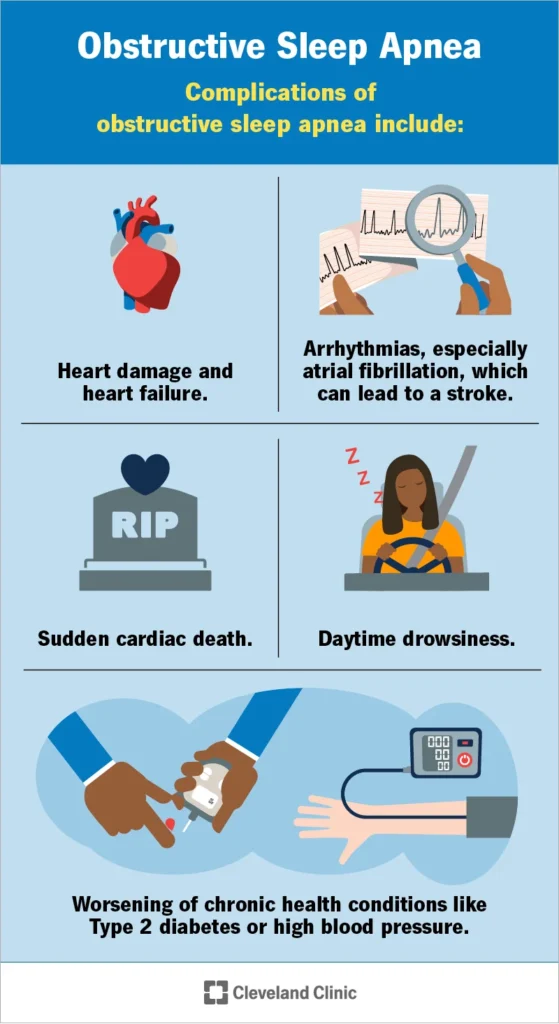
Escalate sooner if red flags show up. Loud snoring plus choking, gasping, witnessed breathing pauses, or heavy daytime sleepiness can point to sleep apnea. That’s a clinician conversation, not a DIY project.
Supplies: what you actually need (skip the junk drawer experiments)
- A simple notes app to track triggers (late meals, alcohol, nasal congestion, back sleeping).
- Optional audio recording for a few nights, just to confirm patterns. Keep it respectful and agreed upon.
- Nasal support basics (saline rinse, humidifier) if dryness or congestion is common.
- An anti snoring mouthpiece if snoring seems position- or jaw-related and you want a non-invasive device option.
If you’re browsing device options, this anti snoring mouthpiece is one example people consider when they want both jaw support and help keeping the mouth closed.
Step-by-step (ICI): a practical plan you can follow tonight
I — Identify your snoring pattern
For the next few nights, note three things: bedtime, alcohol or heavy meals, and whether snoring is worse on your back. Add congestion, allergies, or travel days if relevant.
Also note the relationship impact. Are you sleeping apart? Are you both irritable? Naming the cost helps you treat this as a shared problem.
C — Choose the least risky, most likely fix
Start with basics that support breathing and sleep quality:
- Side-sleeping support (pillow positioning).
- Consistent sleep schedule, especially after trips.
- Addressing nasal stuffiness with gentle measures.
If snoring persists, an anti snoring mouthpiece may be worth considering. Many are designed to position the jaw or stabilize the mouth to reduce airway collapse and vibration.
Be cautious with trendy “quick hacks” that restrict airflow, like taping the mouth shut, especially if you ever wake up feeling air-hungry or you often have nasal blockage. What looks like a shortcut can become a problem at 3 a.m.
I — Implement and iterate (without turning your bedroom into a lab)
Use a simple break-in approach:
- Night 1–2: Wear the mouthpiece briefly before sleep to get used to the feel.
- Night 3–7: Wear it for the first part of the night, then remove if discomfort builds.
- Week 2: Aim for full-night use if it’s comfortable and seems to reduce snoring.
Check in as a couple. Keep the tone light. A little relationship humor helps, but don’t minimize the exhaustion. Burnout and poor sleep feed each other.
Mistakes that keep people stuck (and tired)
Chasing every new sleep gadget at once
When you stack multiple changes, you can’t tell what helped. Pick one primary lever for a week.
Ignoring possible sleep apnea signs
Snoring can be “just snoring,” but it can also be a signal. If there are breathing pauses, gasping, or major daytime fatigue, talk to a clinician.
Forcing a poor fit
Pain isn’t a success metric. Jaw soreness that doesn’t fade, tooth pain, or bite changes are reasons to stop and reassess.
Turning it into a blame game
Most snorers aren’t choosing to snore. Treat it like you’d treat any sleep health issue: shared plan, clear roles, and kind communication.
FAQ: quick answers for tired people
Does an anti snoring mouthpiece work for everyone?
No. It tends to help certain patterns of snoring, and it may not be enough if sleep apnea is present.
What’s a safer alternative to mouth taping?
Try addressing nasal comfort, side-sleeping, and device options like mouthpieces that don’t rely on blocking airflow.
Can vitamins fix snoring?
Nutrient status can affect overall health, but snoring usually has mechanical and sleep-related triggers. If you’re concerned about deficiencies, discuss testing with a clinician.
Should we sleep in separate rooms?
It can be a short-term pressure valve. Make it a temporary strategy while you test solutions, not a silent long-term resentment plan.
CTA: make tonight easier for both of you
If snoring is costing you sleep and patience, choose one plan and run it for two weeks. If you want to explore a device-based option, start with a well-reviewed mouthpiece approach and keep comfort front and center.
How do anti-snoring mouthpieces work?
Medical disclaimer: This article is for general education only and isn’t medical advice. Snoring can have many causes. If you suspect sleep apnea, have choking/gasping at night, or feel dangerously sleepy during the day, seek evaluation from a qualified clinician.