
Myth: Snoring is just noise.
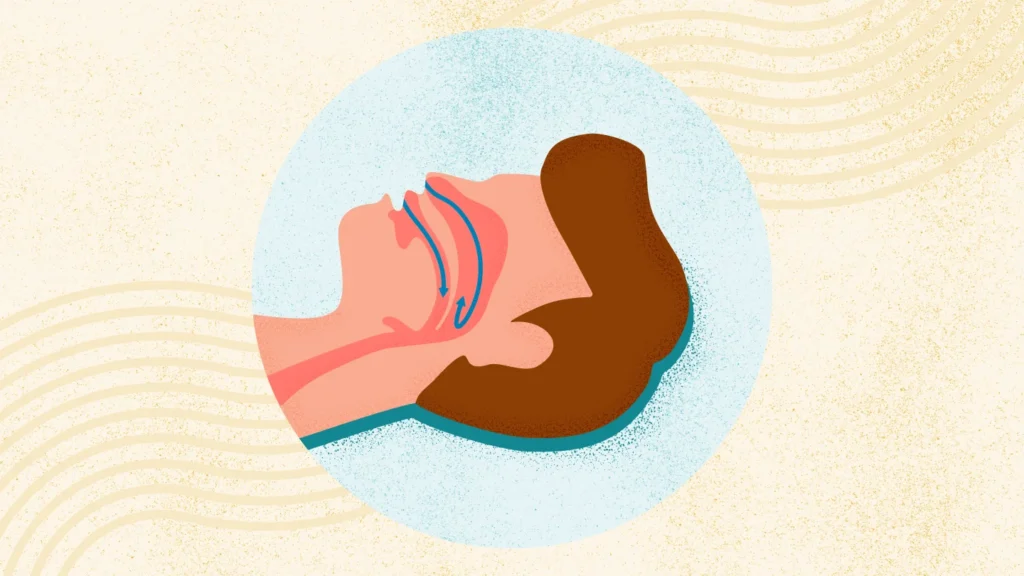
Reality: Snoring can be a sleep-quality problem for two people, and sometimes it’s a signal to take your breathing at night more seriously.
Right now, sleep is having a moment. People are buying sleep trackers, testing “biohacks,” and joking about separate bedrooms after one too many loud nights. Add travel fatigue and workplace burnout, and a simple goal becomes urgent: wake up feeling normal.
This guide stays practical. You’ll use an if…then decision path to figure out whether an anti snoring mouthpiece is a reasonable next step, how to make it more comfortable, and when to skip gadgets and talk to a pro.
Start here: the fast “if…then” snoring decision guide
If your snoring is occasional (stress, travel, alcohol)… then fix the basics first
If snoring shows up after late meals, a few drinks, or red-eye flights, treat it like a recovery problem. Then test the simple levers for a week.
- If you sleep on your back, then try side-sleeping support (pillow positioning or a gentle reminder method).
- If your bedtime shifts daily, then tighten it up by 30–60 minutes. Consistency often beats “perfect” hacks.
- If your nose feels blocked, then focus on nasal comfort (humidity, saline rinse, allergy plan with a clinician if needed).
If the snoring fades, great. If it sticks around, keep going.
If you snore most nights and feel unrefreshed… then consider a mouthpiece as a tool
If your partner hears snoring most nights and you wake up foggy, you need a repeatable plan. This is where a mouthpiece can make sense, because it targets positioning—how your jaw, tongue, and soft tissues sit during sleep.
If you suspect your jaw drops back when you relax, then a mouthpiece may help by supporting a better airway shape. Comfort and fit decide whether you’ll actually use it.
If you’re chasing the latest sleep trend… then choose low-risk tools
Sleep gadgets are everywhere, and some are helpful for awareness. Others create anxiety and don’t solve the problem.
- If you want a device that does something physical, then a mouthpiece is more direct than many app-based “scores.”
- If you’re considering mouth taping, then be cautious. It’s a cultural trend, not a universal fix. Avoid it if you can’t breathe freely through your nose or you suspect sleep apnea.
If anyone notices pauses, choking, or gasping… then treat it as a medical flag
Snoring can overlap with sleep apnea, and sleep apnea has been widely discussed in relation to broader health risks, including heart health. If you’re seeing red flags, skip the guessing game.
- If you have loud snoring plus daytime sleepiness, morning headaches, or witnessed breathing pauses, then ask a clinician about screening.
- If you have high blood pressure or heart concerns, then bring snoring up at your next visit.
For a general, high-level overview of why snoring can be more than a nuisance, see: Sleep Apnea and Your Heart: Why Snoring Isn’t Just a Nuisance – NewYork-Presbyterian.
Make an anti snoring mouthpiece work: ICI basics
Buying a mouthpiece is easy. Wearing it night after night is the real test. Use this simple ICI framework: Inhale (airflow), Comfort, Integrity (clean, consistent use).
Inhale: aim for better airflow, not “perfect silence”
Snoring is vibration from partially blocked airflow. Your job is to reduce the blockage. Positioning often matters more than willpower.
- If your mouth falls open, then mouth breathing can worsen dryness and noise for some people.
- If your jaw relaxes backward, then gentle forward support can reduce tissue collapse in some sleepers.
Comfort: fit, bite feel, and the “3-night rule”
Discomfort is the #1 reason people quit. Plan for a short adjustment period.
- If your jaw feels sore, then shorten wear time for a few nights and build up gradually.
- If you drool more at first, then treat it as normal adaptation. Many people notice it improves.
- If you wake up and rip it out, then the fit may be off or the design may not match your needs.
Positioning: keep it simple and repeatable
Small changes beat dramatic tweaks. You want a stable setup you can replicate, even when you’re exhausted.
- If you travel often, then keep a small case and a cleaning plan so the routine survives hotel life.
- If you share a bed, then agree on a “trial window” (like two weeks) so you can judge results fairly—less midnight negotiating.
Cleanup: do the minimum you’ll actually do
Skip complicated routines. Consistency wins.
- Rinse after use and let it dry fully.
- Clean regularly per the product’s instructions.
- Replace when it shows wear or odor that won’t wash away.
Which setup fits your situation?
If you want a combined approach… then consider mouthpiece + chin support
Some people do better when jaw positioning and mouth closure are supported together. This can be helpful if mouth opening is part of your snoring pattern.
One option to compare is an anti snoring mouthpiece. Focus on comfort, adjustability, and whether you can stick with it on weeknights.
If you want data… then treat it as feedback, not a verdict
Connected sleep devices and app dashboards are trending. They can help you notice patterns, like worse snoring after late work nights. Don’t let the score run your life.
If the data makes you anxious, then scale back and track only two things: how you feel in the morning and whether snoring complaints drop.
FAQ: quick answers before you buy
Can I use a mouthpiece if I grind my teeth?
Sometimes, but it depends on the design and your jaw comfort. If you have jaw pain or a history of TMJ issues, check with a dental professional.
What if my snoring is worse on my back?
Then position training plus a mouthpiece may be more effective than either alone. Keep the plan simple so you’ll follow it.
What’s a reasonable timeline to judge results?
Give it about 10–14 nights, unless you have pain or breathing concerns. Early nights can be noisy while you adapt.
CTA: pick your next step (keep it simple)
- If snoring is occasional: fix sleep timing, side-sleep, and nasal comfort for a week.
- If snoring is frequent and you feel tired: trial a comfortable mouthpiece setup and track mornings.
- If you see red flags: talk to a clinician about sleep apnea screening.
How do anti-snoring mouthpieces work?
Medical disclaimer: This article is for general education and does not provide medical advice, diagnosis, or treatment. If you suspect sleep apnea, have chest pain, significant daytime sleepiness, high blood pressure, or witnessed breathing pauses, seek evaluation from a qualified clinician.