
Snoring is having a moment. Not the fun kind.
Between sleep trackers, “smart” rings, and doomscrolling at 1 a.m., lots of people are realizing their sleep quality is getting hit from every angle.
Thesis: pick the snoring fix based on where the blockage likely is, and screen for risk before you buy another gadget.
First: what snoring is really telling you
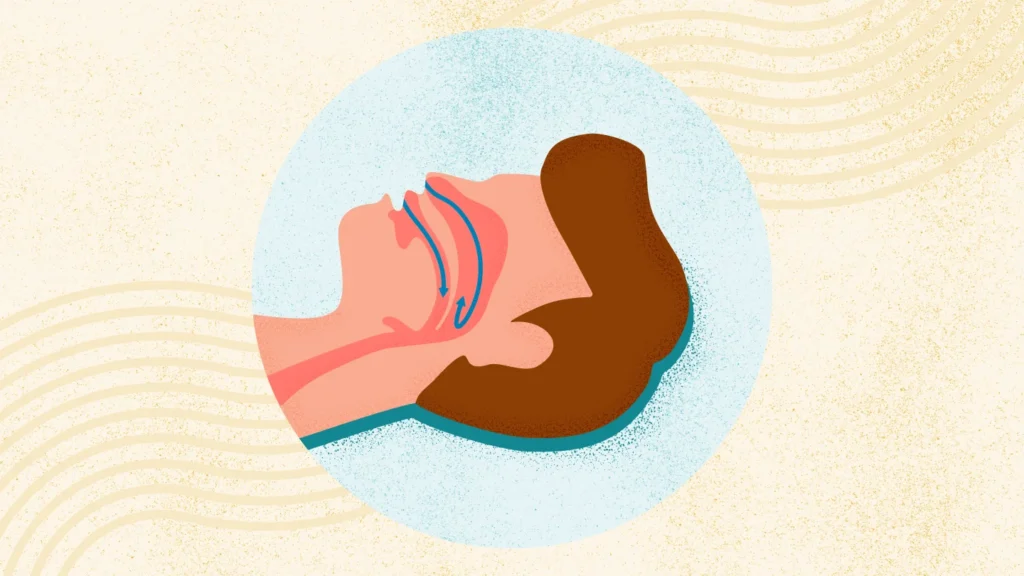
Snoring usually happens when airflow gets turbulent and tissues vibrate. That turbulence can start in the nose, the back of the throat, or because the jaw and tongue fall back during sleep.
It’s also why “best brand” debates often miss the point. Recent consumer-style coverage has emphasized that the format (strip vs mouthpiece) may matter more than the label.
Decision guide: if…then… pick your next move
If your nose feels blocked at night, then start with nasal support
If you’re congested, traveling with dry hotel air, or waking up with a dry mouth, the nose may be the bottleneck. In that case, nose strips can be a reasonable first experiment.
They’re simple, low-commitment, and easy to stop if they don’t help. If you suspect allergies or chronic congestion, consider talking with a clinician for safer long-term options.
If you snore most on your back, then try a position change before buying anything
Back-sleeping can let the jaw and tongue drift backward. That’s why snoring often spikes after a long day, a late meal, or travel fatigue.
Try side-sleeping strategies for a week. Keep it boring and trackable. Your wearable can help, but your partner’s elbow usually notices first.
If your partner says it sounds “throaty,” then an anti snoring mouthpiece may fit the problem
When the sound seems to come from the back of the mouth or throat, you may be dealing with jaw/tongue position. That’s where an anti snoring mouthpiece is often considered, because it aims to change airflow by supporting the lower jaw and keeping the airway more open.
Format matters here. A strip can’t reposition your jaw. A mouthpiece can, but it also demands more care: fit, comfort, and dental safety.
If you want a specific product type to compare, see this anti snoring mouthpiece as an example of a mouthpiece-forward approach.
If you’re buying because you’re burned out, then fix the schedule too
Workplace burnout and late-night scrolling are now part of the sleep conversation. That matters because fragmented sleep can raise your sensitivity to noise and make snoring feel louder and more disruptive.
One practical trend from sleep-hygiene coverage: stop feeding the scroll. Set a hard cutoff and replace it with a short wind-down routine you can repeat anywhere, even on business trips.
If there are red flags, then pause shopping and screen for sleep apnea
Snoring can be harmless, but it can also overlap with sleep apnea risk. Symptoms often discussed by medical sources include loud snoring, gasping or choking, witnessed breathing pauses, and significant daytime sleepiness.
If those fit your situation, don’t treat it like a relationship joke or a “new gadget” problem. Make screening your first step. You can review general risk context here: Anti-Snoring Mouthpiece vs Nose Strips: Consumer Analysis Explains Why Product Format May Matter More Than Brand.
How to use a mouthpiece without turning it into a problem
People love sleep tech, but the safest “feature” is still basic accountability. If you try a mouthpiece, document what you’re doing so you can make a clean decision later.
- Set a two-week check-in. Track snoring reports, comfort, and daytime energy.
- Watch for dental and jaw issues. Stop if you get persistent pain, tooth looseness, or bite changes.
- Keep it clean. A dirty device can irritate gums and raise infection risk.
- Don’t mask serious symptoms. If fatigue, headaches, or witnessed pauses continue, screen for sleep apnea.
FAQ (quick answers)
Is an anti snoring mouthpiece the same as a sleep apnea device?
Not always. Some oral appliances are clinician-fitted for sleep apnea, while many store-bought mouthpieces are aimed at snoring. If you suspect sleep apnea, get screened before self-treating.
Do nose strips work for snoring?
They can help if snoring is driven by nasal congestion or narrow nasal passages. They usually won’t help much if the sound is coming from the throat or from jaw/tongue position.
How fast can a mouthpiece reduce snoring?
Some people notice a change the first night, while others need several nights to adjust fit and comfort. If pain, bite changes, or headaches show up, stop and reassess.
Is it safe to use an anti-snoring mouthpiece every night?
Many people use them nightly, but safety depends on fit, materials, and your dental health. Ongoing jaw soreness, loose teeth, or worsening sleep should trigger a pause and a dental or medical check.
What are signs my snoring could be sleep apnea?
Common red flags include loud snoring with choking/gasping, witnessed breathing pauses, morning headaches, and significant daytime sleepiness. When these show up, prioritize medical screening.
CTA: make the next step simple
If your snoring sounds more “throat” than “nose,” a mouthpiece-style approach may match the mechanics better than strips. If you have red flags, get screened first.
How do anti-snoring mouthpieces work?
Medical disclaimer: This article is for general education only and is not medical advice. Snoring can be a sign of sleep apnea or other conditions. If you have choking/gasping, witnessed breathing pauses, severe daytime sleepiness, chest pain, or worsening symptoms, seek care from a qualified clinician.