
Snoring isn’t just “background noise.” It can turn a full night in bed into a low-quality night of sleep.
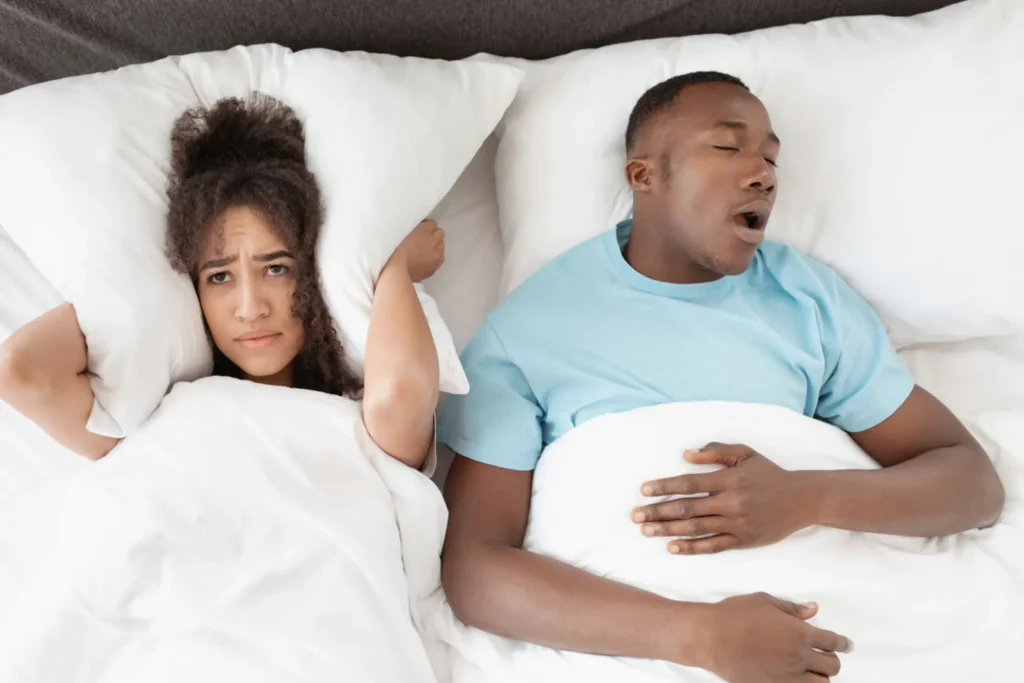
And yes, sometimes the thing that wakes you up is the weird combo: a snort, a dry mouth, and a little drool.
Here’s the simple take: trends come and go, but sleep health improves fastest when you match the tool to the cause.
What people are talking about right now (and why)
Sleep has become a full-on culture topic. People swap wearable scores, test “biohacks,” and buy bedside gadgets like they’re upgrading a phone.
Recent conversations also highlight small wake-ups that feel random—like waking to drool or a dry mouth. That kind of moment often points to mouth breathing, fragmented sleep, or a position issue.
The trend stack: gadgets, travel fatigue, and burnout
Between work-from-anywhere schedules and heavy travel seasons, fatigue shows up fast. Add daylight savings shifts and late-night scrolling, and sleep gets choppy.
In relationships, snoring becomes its own sitcom plotline. Separate blankets, separate rooms, “don’t wake the snorer” rules—funny until nobody feels rested.
The new hot takes: mouth tape vs mouthpieces
There’s been plenty of buzz about taping the mouth at night. It sounds simple, but it isn’t automatically safe for everyone.
Mouthpieces, especially mandibular advancement devices, get attention because they aim to change airflow mechanics rather than just keeping lips closed.
What matters medically (in plain language)
Snoring usually happens when airflow becomes turbulent as it moves through relaxed tissues in the throat. The vibration makes the sound.
Sleep quality drops when snoring pairs with repeated micro-awakenings. Even if you don’t remember waking up, your body often does.
Drool, dry mouth, and what it can signal
Occasional drooling can be harmless. It can happen with deep sleep, certain sleep positions, or when your mouth falls open.
If drooling wakes you up often, it can be a clue that you’re breathing through your mouth or that your sleep is fragmented. For a general overview in the news, see When to worry about that bit of drool that wakes you up.
Snoring vs sleep apnea: don’t guess
Snoring can exist on its own. It can also show up with obstructive sleep apnea, where breathing repeatedly slows or stops during sleep.
You can’t confirm apnea by sound alone. The risk rises when snoring comes with gasping, witnessed pauses, morning headaches, or strong daytime sleepiness.
How to try solutions at home (without overcomplicating it)
Think of this as a short experiment. Change one variable, watch what happens, and keep the goal simple: fewer wake-ups and better mornings.
Step 1: Set your “two-night baseline”
For two nights, don’t change anything. Note three things: how many times you wake up, how you feel in the morning, and whether a partner noticed snoring.
This makes the next change easier to judge. It also prevents gadget-hopping.
Step 2: Fix the easy airflow blockers
Try side-sleeping if you usually sleep on your back. Consider addressing nasal stuffiness with simple, non-medicated steps like humidity and gentle rinsing if it’s appropriate for you.
Also check alcohol timing. Even a “normal” drink can relax airway tissues for some people.
Step 3: Where an anti snoring mouthpiece can help
An anti snoring mouthpiece is often designed to position the lower jaw slightly forward during sleep. That can reduce airway narrowing for some snorers.
Fit and comfort matter. A poorly fitting device can cause jaw soreness, tooth discomfort, or poor compliance because you stop wearing it.
Step 4: Consider a combo approach for mouth opening
If your mouth drops open at night, a supportive strap can help keep the jaw from falling back. Some people prefer a combined setup to tackle both jaw position and mouth opening.
If you want an example to compare features, see this anti snoring mouthpiece.
A quick word on mouth tape
Mouth tape is popular online, but it’s not a casual add-on for everyone. If you can’t breathe well through your nose, taping can make sleep feel worse and may be unsafe.
If you’re curious, talk with a clinician first—especially if you suspect apnea, have nasal obstruction, or wake up short of breath.
When to stop DIY and get help
Home experiments are fine for simple snoring. Red flags deserve a real evaluation.
Make an appointment if you notice:
- Breathing pauses, choking, or gasping during sleep (reported by you or a partner)
- Excessive daytime sleepiness, dozing while sitting, or drowsy driving
- Morning headaches, mood changes, or trouble concentrating
- High blood pressure or heart risks alongside loud, persistent snoring
- Jaw pain or tooth pain that starts after using a mouthpiece
FAQ: quick answers people actually need
Can a mouthpiece improve sleep quality even if I still snore a little?
Yes. Some people notice fewer wake-ups and better mornings even if snoring doesn’t hit zero.
What if my snoring is worse after travel?
Travel fatigue, alcohol timing, back-sleeping in unfamiliar beds, and dry hotel air can all contribute. Reset your routine for a few nights before judging a new device.
Is it normal to feel jaw stiffness in the morning?
Mild, short-lived stiffness can happen as you adapt. Significant pain, locking, or headaches are signs to stop and seek guidance.
CTA: pick a next step you’ll stick with
If snoring is straining your sleep (and your household), start with one change you can repeat nightly. Consistency beats the perfect hack.
How do anti-snoring mouthpieces work?
Medical disclaimer: This article is for general education only and isn’t medical advice. It does not diagnose, treat, or replace care from a licensed clinician. If you suspect sleep apnea or have severe symptoms, seek medical evaluation.