
Is your snoring keeping someone else awake?
Is your sleep quality sliding, even when you get “enough” hours?
Are you wondering if an anti snoring mouthpiece is worth trying—or just another sleep gadget trend?
Yes, snoring can strain relationships, energy, and mood. And yes, mouthpieces can help in the right situations. The key is matching the tool to the cause, not buying your way through burnout.
Why snoring feels louder right now (and not just at night)
Sleep is having a moment. People are buying trackers, testing new “smart” devices, and swapping tips like they’re skincare routines. Add travel fatigue, late-night scrolling, and workplace stress, and snoring becomes the soundtrack nobody asked for.
It also turns into relationship friction fast. One person jokes about it. The other person quietly moves to the couch. Then both of you sleep worse. That’s the cycle to break.
Start here: a quick reality check on snoring
Snoring is common, but it isn’t always harmless. Sometimes it’s just vibration from relaxed tissues. Other times, it can signal a bigger sleep-breathing issue.
If you want a quick overview of common first steps people try, see this related coverage: Why TENS Anti-Snoring Device Manufacturer China CE Compliant Is Expanding Globally.
The decision map: If…then… what to do next
If snoring spiked after travel, late nights, or alcohol… then fix the “temporary” drivers first
Jet lag, hotel air, and exhaustion can make anyone snore more. Alcohol near bedtime can also relax airway muscles. So can certain sleep aids.
Try first: side-sleeping, earlier wind-down, hydration, and avoiding alcohol close to bedtime. If congestion is part of the picture, addressing nasal stuffiness can help too.
If your partner says you’re quiet on your side but loud on your back… then position is your lever
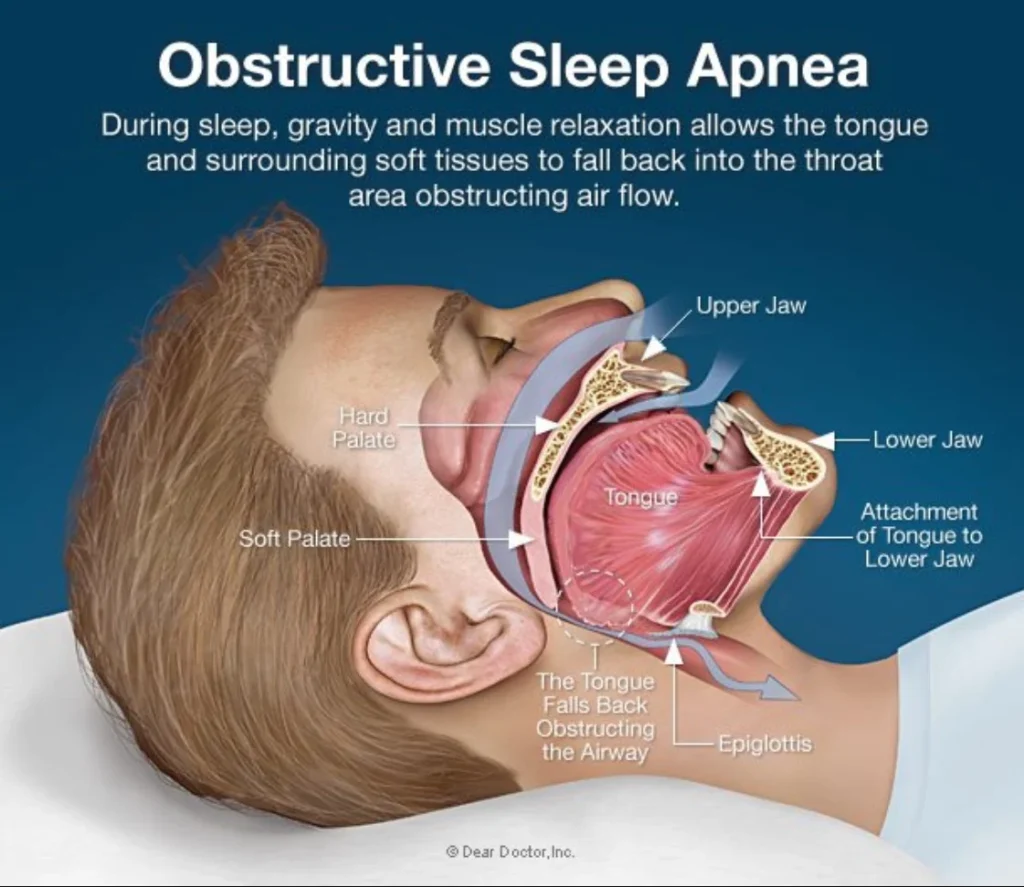
Back-sleeping often makes snoring worse. Your tongue and soft tissues can fall back, narrowing airflow.
Try first: side-sleep strategies (pillows, positional supports). If you can’t stay on your side, a mouthpiece may be worth considering because it can help keep the airway more open by adjusting jaw position.
If you wake up with a dry mouth or you breathe through your mouth… then think airflow and habit
Mouth breathing can go hand-in-hand with snoring. It can also leave you feeling unrefreshed even after a full night in bed.
Try first: look for what’s driving mouth breathing (often nasal blockage or routine). If your snoring seems tied to jaw position, an anti-snoring mouthpiece may help reduce the collapse that triggers vibration.
If your snoring comes with gasping, choking, or heavy daytime sleepiness… then don’t DIY it
This is where “it’s just snoring” can become a risky assumption. Persistent loud snoring plus breathing pauses, morning headaches, or high daytime fatigue can point to sleep apnea.
Then: talk with a clinician for screening and guidance. A mouthpiece might still be part of a plan for some people, but you want the right diagnosis and follow-up.
If the problem is mostly relationship stress… then treat it like a shared project
Snoring creates a weird kind of resentment. The snorer feels blamed for something unconscious. The listener feels trapped in someone else’s noise.
Then: agree on a simple two-week experiment. Pick one change at a time (sleep position, bedtime routine, or a mouthpiece). Track what improves: noise, awakenings, and morning mood. Keep it neutral. Make it about sleep quality for both of you.
Where an anti snoring mouthpiece fits (and what to look for)
An anti-snoring mouthpiece is typically designed to help keep the airway more open during sleep by changing jaw or tongue position. That can reduce the vibration that creates snoring in some cases.
What matters most is comfort, fit, and consistency. If it hurts, you won’t wear it. If it’s too loose, it may not help. If you have TMJ issues, dental work concerns, or ongoing jaw pain, get professional input before using one.
If you’re comparing options, start here: anti snoring mouthpiece.
Quick talk: sleep gadgets, trends, and the “one weird fix” vibe
Headlines and reviews cycle through new devices all the time, including electrical stimulation gadgets and other tech-forward tools. Some people love experimenting. Others just want silence.
Keep your approach grounded: aim for fewer awakenings, better morning energy, and less conflict. If a tool helps you get there safely, it’s not hype—it’s useful.
FAQs
Do anti-snoring mouthpieces work for everyone?
No. They’re most likely to help when snoring is related to jaw position and airway narrowing, not every snoring pattern.
How long does it take to notice a difference?
Some people notice a change right away. Others need several nights to adjust and get consistent wear time.
What’s the difference between snoring and sleep apnea?
Snoring is a sound from airflow vibration. Sleep apnea involves repeated breathing interruptions and can include gasping, daytime sleepiness, or other health risks.
Can an anti-snoring mouthpiece hurt my jaw or teeth?
It can, especially if you have TMJ problems or dental issues. Stop if you feel pain and consider dental/medical guidance.
What else can I try besides a mouthpiece?
Side-sleeping, reducing alcohol near bedtime, treating nasal congestion, and tightening your wind-down routine are common starting points.
Next step: pick one change tonight (not five)
If snoring is turning bedtime into a negotiation, choose one “if…then…” path above and test it for two weeks. You’re not chasing perfection. You’re building a calmer night for both people in the room.
How do anti-snoring mouthpieces work?
Medical disclaimer: This article is for general information only and is not medical advice. Snoring can sometimes be a sign of a sleep-related breathing disorder, including sleep apnea. If you have choking/gasping, witnessed breathing pauses, significant daytime sleepiness, chest pain, or other concerning symptoms, seek evaluation from a qualified clinician.