
Before you try another sleep gadget, run this checklist. It’s faster than doom-scrolling “miracle” hacks at midnight.
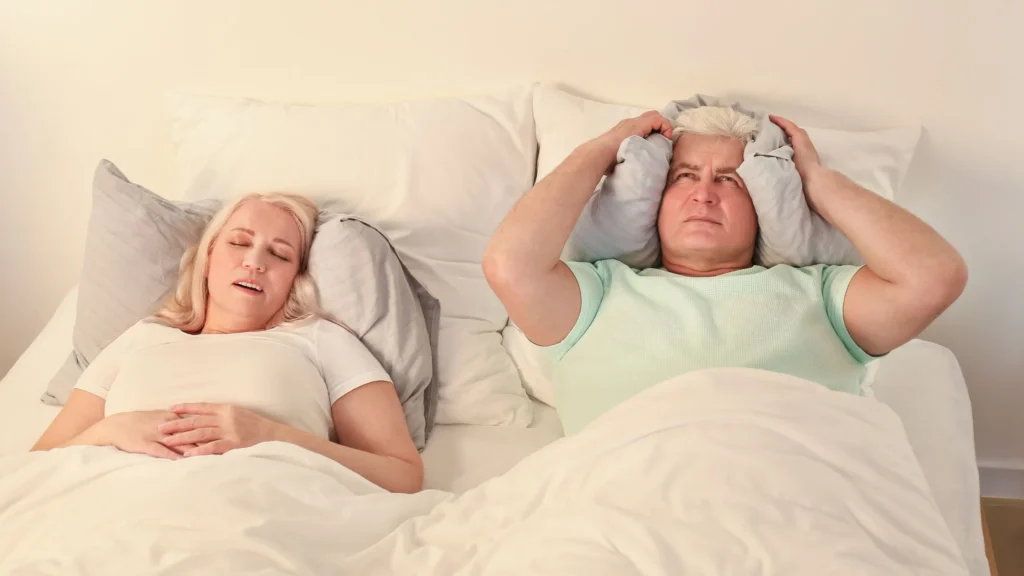
- Confirm the pattern: Is snoring nightly, louder after alcohol, or worse on your back?
- Check the stakes: Daytime sleepiness, morning headaches, or gasping can signal a bigger issue.
- Fix the easy stuff first: Nasal blockage, dry air, late caffeine, and screen time can all push sleep quality down.
- Pick one tool to test: For many people, an anti snoring mouthpiece is a practical first device to try.
- Track results: Use a simple note: bedtime, wake time, snoring feedback, and how you feel at 2 p.m.
Sleep trends come and go. One week it’s a new wearable. The next it’s a viral “10-3-2-1-0” style routine. Those routines can help you protect your wind-down window. Still, if the noise is coming from your airway, you may need a tool that changes airflow mechanics, not just your calendar.
Why is everyone suddenly talking about snoring and sleep quality?
Because snoring isn’t only a relationship punchline anymore. People are connecting the dots between rough nights and rough days: travel fatigue, workplace burnout, and that “I can’t focus” feeling that shows up by late morning.
There’s also a growing awareness that persistent snoring can overlap with sleep apnea in some people. And sleep apnea is tied to broader health concerns, including cardiovascular strain. If you want a general overview of that conversation, see this high-level explainer on Improve Your Sleep Routine With This 10-3-2-1-0 Hack Tonight.
What’s the quickest way to tell if snoring is “just noise” or a red flag?
You can’t diagnose yourself from a sound clip. But you can spot patterns that deserve attention.
Signs you should take seriously
- Snoring plus choking, gasping, or witnessed breathing pauses
- Excessive daytime sleepiness (not just “busy week” tired)
- Morning headaches or waking with a dry mouth often
- High blood pressure history or worsening fatigue over time
If any of these show up, treat an at-home fix as a bridge, not the finish line. A clinician can evaluate for sleep apnea and other causes.
How does an anti snoring mouthpiece actually reduce snoring?
Most anti-snoring mouthpieces are designed to improve airflow by changing jaw or tongue position during sleep. When the airway stays more open, tissues vibrate less. Less vibration usually means less noise.
The two common styles (in plain language)
- Mandibular advancement devices (MADs): Gently hold the lower jaw forward to support the airway.
- Tongue-retaining devices (TRDs): Help keep the tongue from falling back and narrowing the airway.
People like mouthpieces because they’re simple. No charging. No app. No “firmware update” at 1 a.m.
When does a mouthpiece make the most sense?
It’s often a good fit when snoring is frequent, position-related, or tied to relaxed throat muscles during deeper sleep. It can also be a practical option if you travel a lot and want something packable that doesn’t depend on wall outlets.
Situations where it’s worth a trial
- You snore more on your back
- Your partner reports steady snoring (not just occasional)
- You want a non-invasive tool to test before more complex options
If you’re comparing products, start here: anti snoring mouthpiece. Focus on comfort, adjustability, and clear care instructions.
What should you look for so the mouthpiece doesn’t end up in a drawer?
Most “failed” mouthpieces fail for boring reasons: poor fit, soreness, or annoying cleanup. You can reduce those issues with a few practical checks.
Fit and comfort (the make-or-break details)
- Start conservative: If the device is adjustable, don’t jump to maximum advancement on night one.
- Expect an adjustment period: Mild drooling or pressure can happen early and often improves.
- Watch your jaw: Sharp pain, locking, or persistent headaches are not “powering through” moments.
Positioning: the underrated multiplier
Even a great mouthpiece can struggle if you sleep flat on your back with your chin tucked. Side-sleeping and a pillow that keeps your neck neutral can help the device do its job.
Cleanup: keep it simple so you stay consistent
- Rinse after each use
- Brush gently with mild soap (unless the product says otherwise)
- Let it air-dry fully before storing
Consistency matters more than perfection. A “good enough” routine you actually follow beats an elaborate routine you quit.
How do you combine sleep-hygiene trends with a mouthpiece without overcomplicating it?
Sleep routines are popular right now because they’re actionable. The trick is to use them as support, not as a distraction from the snoring source.
A simple pairing plan
- Wind-down window: Give yourself a buffer before bed (dim lights, lower stimulation).
- Cut the common disruptors: Late alcohol and heavy meals can worsen snoring for some people.
- Use one tracking metric: “How rested do I feel?” plus partner feedback is enough.
This is also where relationship humor can help. Make it a shared experiment, not a nightly trial. A quick “snore score” in the morning keeps it light and keeps you honest.
Common questions (quick answers)
- Will it stop snoring forever? It can reduce or eliminate snoring for some people, but results vary and can change with weight, congestion, or sleep position.
- Is louder snoring always worse? Not always, but loud snoring plus daytime symptoms deserves a closer look.
- Can I use it if I clench or grind? Some people can, but jaw comfort matters. If you have TMJ symptoms, get professional guidance.
Medical disclaimer
This article is for general education and is not medical advice. Snoring can be a symptom of sleep apnea or other health conditions. If you have choking/gasping, witnessed breathing pauses, significant daytime sleepiness, chest symptoms, or concerns about your heart health, talk with a qualified clinician for evaluation and personalized guidance.
Next step: choose one test and run it for 14 nights
If you want a low-drama place to start, try a mouthpiece plus basic sleep-hygiene cleanup for two weeks. Keep notes. Adjust for comfort. Then decide based on results, not hype.