
Before you try anything tonight, run this quick checklist:
- Noise or health? Is it “annoying snoring,” or are there red flags like choking, gasping, or extreme daytime sleepiness?
- Pattern check: Worse after alcohol, late meals, or travel? Better on your side?
- Goal: Quieter room, better sleep quality, or both?
- Tool choice: Are you considering an anti snoring mouthpiece because it’s simple, portable, and doesn’t need batteries?
- Trial plan: Can you test consistently for 10–14 nights without switching products every other day?
Big picture: why snoring is trending again (and why it matters)
Sleep is having a moment. New wearables, “sleep scores,” and bedside gadgets keep showing up in feeds. At the same time, people are talking more openly about burnout, travel fatigue, and the reality that one loud snorer can derail two people’s week.
Snoring sits right at that intersection. It’s a sound problem, a relationship problem, and sometimes a health signal. That’s why you’ll see consumer-style coverage that looks closely at mouthguards and other snoring products, including discussions like SleepZee Mouth Guard Legitimacy Examined: 2026 Consumer.
Still, the most useful framing is simple: snoring can be benign, but it can also overlap with sleep-disordered breathing. If you’re chasing better sleep quality, it helps to keep both possibilities in mind.
The human side: sleep loss hits mood, focus, and relationships
Snoring jokes are everywhere for a reason. Couples end up negotiating “pillow walls,” guest-room rotations, and who gets the white noise machine. It’s funny until it isn’t.
When sleep gets fragmented, the next day can feel like you’re running on low battery. That shows up at work as slower thinking and shorter patience. It also shows up at home as “why are we arguing about nothing?” energy.
If travel is part of your life, snoring can spike after long flights or late nights. Different pillows, dry hotel air, and fatigue can all stack the deck against good rest.
Practical steps: where an anti snoring mouthpiece fits
Most people don’t want a complicated routine at 11:30 p.m. They want a straightforward tool that’s easy to pack and easy to repeat. That’s the appeal of a mouthpiece.
What it’s trying to do (in plain language)
Many mouthpieces aim to keep the airway more open by adjusting jaw or tongue position during sleep. When airflow is smoother, tissue vibration can drop. Less vibration usually means less snoring noise.
This is not the same as “fixing sleep” in general. Think of it as targeting one common pathway that contributes to snoring.
A realistic 10–14 night trial (so you don’t quit too early)
- Nights 1–3: Prioritize comfort and fit. Mild drooling or oddness can happen early.
- Nights 4–7: Track outcomes simply: Did your partner notice less noise? Did you wake up less?
- Nights 8–14: Look for consistency. One good night doesn’t prove much. A pattern does.
If you’re also using a sleep tracker, treat the data as supportive, not absolute. Sleep scores are helpful for trends, but they’re not a diagnosis.
Small changes that can amplify results
A mouthpiece often works better when your overall sleep setup isn’t fighting you. Consider these low-effort adjustments:
- Side-sleeping: Many people snore less off their back.
- Alcohol timing: Some people notice louder snoring after drinks close to bedtime.
- Nasal comfort: Dry air and congestion can make breathing feel harder at night.
- Regular schedule: Burnout and “revenge bedtime procrastination” can worsen sleep fragmentation.
Safety and testing: don’t ignore the apnea conversation
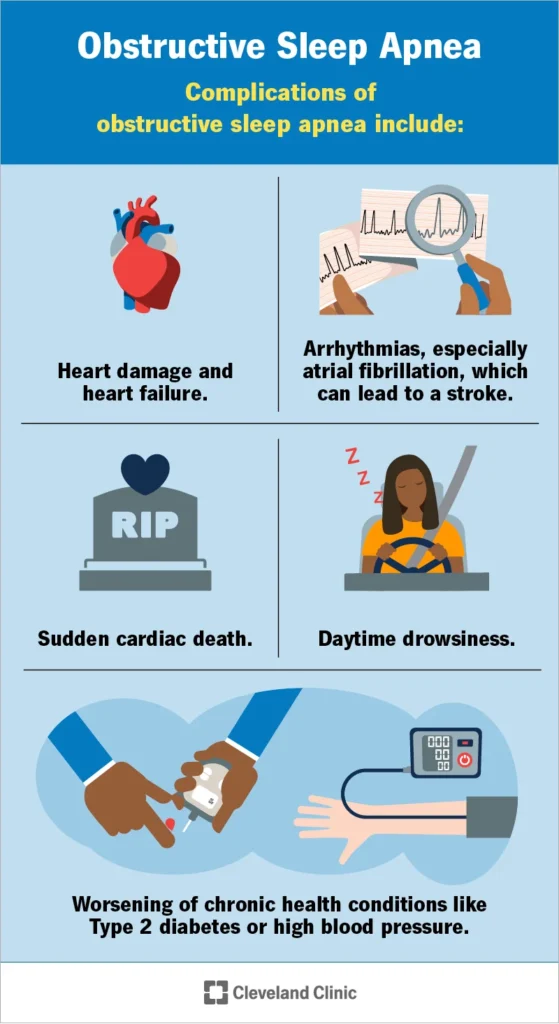
Snoring and obstructive sleep apnea get discussed together a lot in health coverage for a reason. Apnea is typically associated with symptoms like loud snoring, witnessed breathing pauses, and daytime sleepiness. If those show up, it’s smart to get assessed rather than trying to brute-force a solution at home.
When to stop experimenting and get checked
- Choking, gasping, or witnessed pauses in breathing
- Morning headaches, significant daytime sleepiness, or drowsy driving risk
- High blood pressure concerns or worsening mood and concentration
- Jaw pain, tooth pain, or bite changes with a mouthpiece
A dental professional can also help if fit issues keep repeating. Comfort matters because you can’t benefit from something you won’t wear.
How to evaluate products without getting lost in hype
Recent consumer-focused headlines show a clear theme: people want to know whether popular mouthguards are legitimate and whether reviews match real-world results. Use a simple filter:
- Transparency: Clear materials, sizing, and care instructions.
- Return policy: Your mouth is not a “one size fits all” situation.
- Comfort plan: What’s the adjustment period? What if you clench?
- Red-flag avoidance: No product should promise to “cure” sleep apnea without evaluation.
FAQ: quick answers people want before bed
Is an anti snoring mouthpiece the same as a night guard for grinding?
Not always. Some look similar, but they can be designed for different goals. If you grind your teeth, choose carefully and consider dental input.
What if my snoring is mostly nasal?
A mouthpiece may still help some people, but nasal congestion can be its own bottleneck. You may need a broader plan focused on nasal airflow and sleep habits.
Can I use a mouthpiece every night?
Many people do, but comfort and jaw health matter. If you notice persistent soreness or bite changes, pause and get guidance.
Next step: compare options and keep it simple
If you’re ready to explore a mouthpiece, start with a shortlist you can actually stick with. Here’s a practical place to review anti snoring mouthpiece and decide what matches your comfort and budget.
How do anti-snoring mouthpieces work?
Medical disclaimer: This article is for general education and does not provide medical advice. Snoring can have many causes, including conditions that require diagnosis and treatment. If you suspect sleep apnea or have severe symptoms, seek evaluation from a qualified clinician.