
Before you try anything for snoring, run this quick checklist.
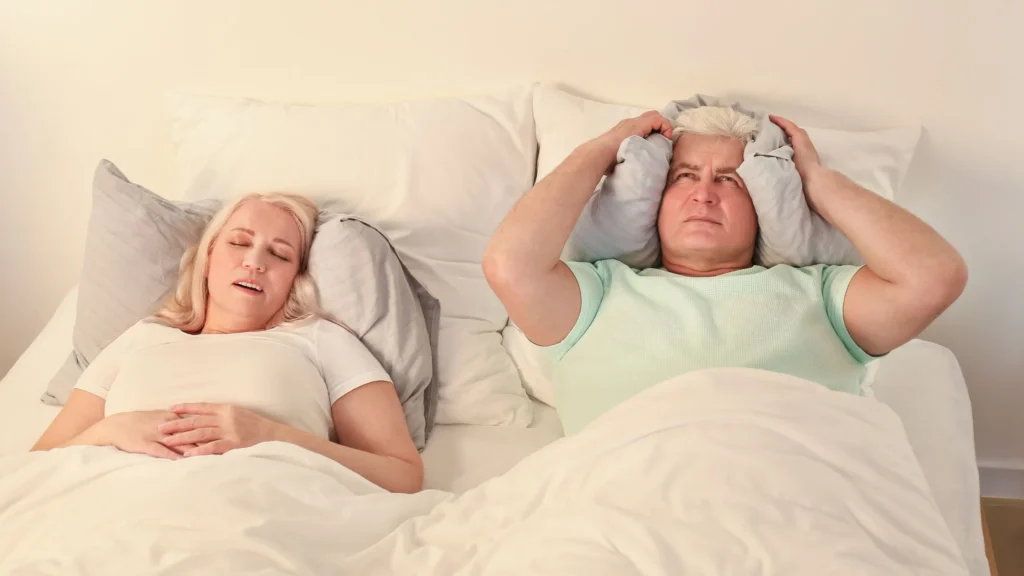
- Red flags: breathing pauses, choking/gasping, or crushing daytime sleepiness.
- Fast context: snoring got worse after travel, alcohol, congestion, or burnout.
- Goal: quieter nights and better sleep quality, not just “less noise.”
- Budget reality: pick one change you can stick with for two weeks.
Snoring is having a moment in the culture again. Sleep gadgets keep launching, mouth-taping debates pop up, and couples joke about “sleep divorce.” Meanwhile, work stress and travel fatigue make light sleep feel even lighter. If you want a practical, at-home plan, this guide keeps it simple and cost-aware.
First: don’t ignore the safety side of snoring
Snoring can be harmless, but it can also show up alongside sleep apnea. That’s why many mainstream health outlets keep revisiting warning signs and causes. If you’re unsure what to watch for, skim a reliable overview like Sleep apnea – Symptoms and causes.
Practical rule: if your snoring comes with gasping, witnessed pauses, or you’re nodding off during the day, don’t just “hack” it. Get checked. An anti snoring mouthpiece can still be part of the conversation, but safety comes first.
Decision guide: If…then… (pick your next best move)
If your snoring spikes after travel or late nights, then reset the basics first
Jet lag, dry hotel air, and a few drinks at dinner can stack the deck against your airway. Try a two-week reset before buying a drawer full of devices.
- Keep alcohol earlier in the evening, or skip it on “test nights.”
- Side-sleep when you can. Back-sleeping often makes snoring louder.
- Set a consistent wake time for a week. It helps more than people expect.
If the snoring drops quickly, you’ve learned something valuable: your trigger is situational. That’s good news for your budget.
If your partner says you snore mostly with your mouth open, then consider a mouth-focused solution
Mouth breathing can amplify vibration and dryness. That’s why “mouth taping” keeps trending in sleep conversations. It also isn’t a universal fit, especially if your nose is blocked or you have any breathing concerns.
A more structured option is an anti snoring mouthpiece designed to improve airflow by positioning the jaw or tongue. Some people also like pairing support for mouth-closure, depending on comfort.
If you want a single purchase to test the concept, look at an anti snoring mouthpiece. It’s a practical way to see whether jaw/tongue positioning plus gentle closure support changes your results.
If you wake up with a sore jaw or sensitive teeth, then prioritize fit and adjustability
Discomfort is the #1 reason people quit mouthpieces. A “tough it out” approach usually backfires. Aim for a device you can adapt gradually.
- Start with short wear periods before a full night.
- Stop if you get sharp pain, worsening jaw issues, or tooth pain.
- Re-check your bite in the morning. If it feels off for long periods, reassess.
Comfort is not a luxury feature. It’s what makes a plan sustainable.
If your snoring is a relationship issue, then choose the “least drama” experiment
Snoring turns into a household problem fast. One person loses sleep, the other feels blamed, and suddenly you’re negotiating pillows like it’s a workplace contract. Keep the tone light and the test measurable.
- Pick a two-week trial: one tool, one change, same bedtime window.
- Track outcomes: morning energy, awakenings, and partner reports.
- Agree on a backup plan: earplugs, white noise, or separate blankets.
This approach respects both people’s sleep quality. It also prevents “gadget hopping,” which gets expensive.
If you’re burned out, then aim for quieter nights + deeper sleep (not perfection)
When stress is high, sleep becomes fragile. Snoring can feel louder, and you may wake more easily. The win isn’t a silent night. It’s fewer disruptions and better recovery.
Choose changes that reduce friction: simple routines, fewer late-night stimulants, and a mouthpiece only if you’ll actually wear it.
What an anti snoring mouthpiece is trying to do (in plain language)
Most snoring happens when airflow makes soft tissues vibrate as your throat relaxes. A mouthpiece aims to keep the airway more open by adjusting jaw position or stabilizing the tongue. That can reduce vibration and improve sleep continuity for some sleepers.
It’s not magic, and it’s not the right tool for every cause of snoring. It is a practical at-home step many people try before moving to more complex options.
Quick buying cues (so you don’t waste a cycle)
- Comfort first: a device you hate won’t help, even if it’s “the best.”
- Plan for an adjustment period: judge results after consistent use, not one night.
- Know your dealbreakers: jaw pain, dental pain, or breathing concerns mean stop and reassess.
- Don’t stack five trends: mouth tape + random gadget + new pillow + supplements = confusing results.
FAQs
Do anti-snoring mouthpieces work for everyone?
No. They can help with common snoring patterns, but they may not solve snoring tied to sleep apnea or significant nasal obstruction.
What’s the difference between a mouthpiece and a chin strap?
A mouthpiece targets jaw/tongue position. A chin strap supports keeping the mouth closed. Some people use both for a simpler, “one purchase” test.
Is mouth taping a good idea for snoring?
It’s a popular trend, but it’s not risk-free for everyone. If you can’t breathe well through your nose or you suspect sleep apnea, get medical guidance before trying it.
How long does it take to adjust to a mouthpiece?
Often several nights to a few weeks. Consistency matters more than intensity.
When should I stop DIY fixes and get evaluated?
If there are breathing pauses, gasping, or significant daytime sleepiness, talk to a clinician to rule out sleep apnea or other sleep disorders.
Next step: make this easy on yourself
If your checklist points toward a mouth-focused approach, keep the experiment simple. Try one well-matched device, track your sleep quality for two weeks, and reassess with clear data instead of vibes.
How do anti-snoring mouthpieces work?
Medical disclaimer: This article is for general education and does not provide medical advice. Snoring can be a sign of a medical condition, including sleep apnea. If you have choking/gasping, witnessed breathing pauses, chest pain, or severe daytime sleepiness, seek evaluation from a qualified clinician.