
Is snoring killing your sleep quality? Are you wondering if an anti snoring mouthpiece is worth trying? And do you need to worry about sleep apnea?
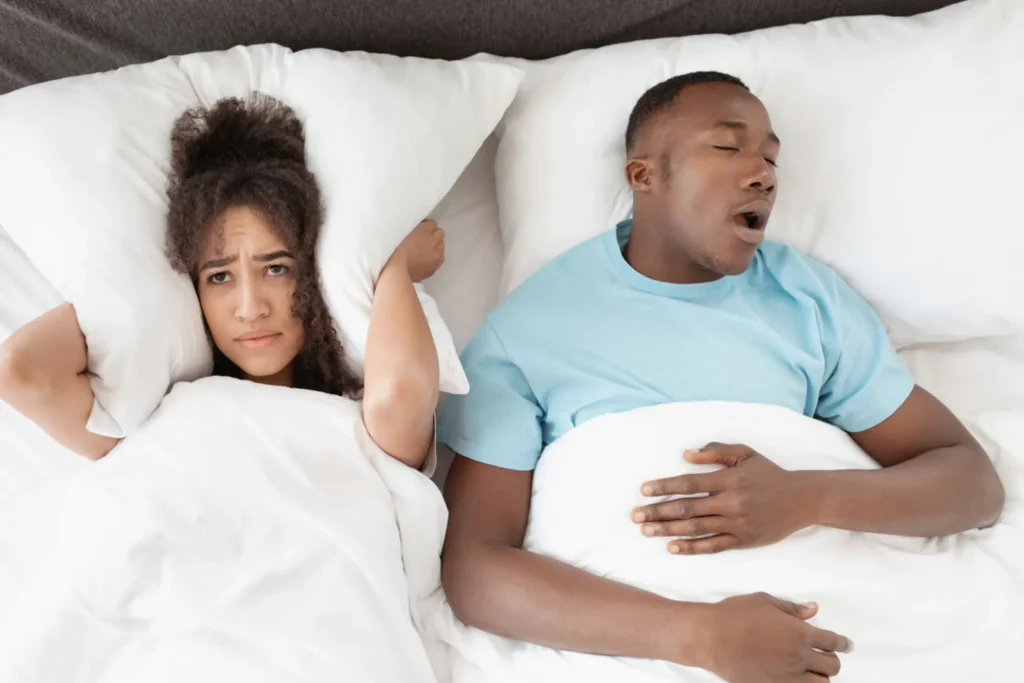
Yes, snoring can wreck sleep for you and anyone within earshot. A mouthpiece can be a practical tool, but only if you set it up correctly and use it consistently. Sleep apnea is different from “just snoring,” and it deserves a real screening conversation if you have red-flag symptoms.
Medical disclaimer: This article is for general education, not medical advice. It does not diagnose or treat any condition. If you suspect sleep apnea or have persistent symptoms, talk with a licensed clinician.
Overview: Why snoring is trending again (and what matters)
Sleep is having a moment. Between wearable sleep scores, “smart” bedside gadgets, and the always-online hustle, people are paying attention to what happens after lights out. Add travel fatigue, late-night scrolling, and workplace burnout, and snoring suddenly feels like the loudest problem in the room.
It’s also a relationship issue. The jokes write themselves: one person wants silence, the other swears they “barely snore.” The fix is rarely a single hack. It’s usually a mix of sleep habits plus the right tool.
If you want a deeper explainer on sleep apnea basics and why it matters, start with this search-style resource: Bruxism And Sleep Apnea Guard Anti Snoring Seeping Apnea Device Bruxism Mouth Guard Teeth Bruxism Sleeping Apnea Guard Snoring Mouth Guard Snoring Stop Snorin I.747849355 Sleep Apnea Mouth Guard.
Timing: When to test changes so you can tell what worked
If you change five things at once, you won’t know what helped. Use a simple timing plan instead.
Run a 7-night “one change” experiment
Pick one primary change for a week. That might be a mouthpiece, a sleep-position tweak, or a bedtime routine cleanup. Track two things: how loud the snoring seems (partner feedback counts) and how you feel in the morning.
Use travel weeks carefully
Hotel pillows, late meals, and jet lag can spike snoring. If you’re testing an anti snoring mouthpiece, start at home first. Travel is a stress test, not the setup phase.
Don’t ignore big warning signs
If snoring comes with choking, gasping, or heavy daytime sleepiness, don’t treat it like a gadget problem. That’s a screening problem.
Supplies: What you need for a mouthpiece-first plan
Keep this simple. Overcomplicating it is how mouthpieces end up in a drawer.
- Anti snoring mouthpiece that matches your comfort needs and design preference.
- Cleaning routine: mild soap and a dedicated toothbrush or soft brush.
- Storage case that vents and keeps it dry.
- Optional support: a chin strap can help some people keep the mouth closed at night.
If you want a combined option, see this product-style match: anti snoring mouthpiece.
Step-by-step (ICI): Implement, Check, Iterate
Think of this as ICI: implement the tool, check the outcome, then iterate the fit and routine. This is how you avoid the “tried it once, hated it” cycle.
1) Implement: Start with comfort-first fit
Follow the manufacturer’s fitting steps exactly. The goal is a stable fit that doesn’t feel like a wrestling match for your jaw. If you feel sharp pressure, stop and reassess the fit.
On night one, aim for “tolerable,” not perfect. Your mouth and jaw may need a short adjustment period.
2) Check: Use a simple scorecard each morning
Track these three items for 7 nights:
- Noise: Did snoring decrease, according to your partner or a basic recording?
- Sleep quality: Did you wake less, or feel more restored?
- Comfort: Any jaw soreness, tooth pressure, or gum irritation?
If noise improves but comfort is poor, you don’t quit yet. You iterate.
3) Iterate: Adjust positioning and bedtime habits
Small changes can make a big difference:
- Sleep position: Many people snore more on their back. Side-sleeping can help some snorers.
- Pre-bed routine: A consistent wind-down helps sleep depth, which can reduce “light sleep” tossing that wakes partners.
- Nasal comfort: If you feel congested at night, address dryness and irritants. Keep the approach gentle and safe.
Also consider the “burnout factor.” When your schedule is chaotic, sleep gets fragile. Fragile sleep amplifies every disruption, including noise.
Mistakes that make mouthpieces fail (even when the idea is right)
Trying it only on the worst nights
Inconsistent use makes it hard to adapt. It also makes results look random. Use it nightly during your test week.
Chasing a perfect sleep score instead of a quiet, steady night
Wearables can be helpful, but they can also turn sleep into a performance review. Focus on outcomes that matter: fewer wake-ups, better mornings, fewer complaints from the other side of the bed.
Ignoring jaw or tooth pain
Discomfort is feedback. Don’t power through significant pain. If you grind your teeth or wake with jaw tightness, you may need a different approach or professional input.
Skipping cleaning and drying
Oral devices need basic hygiene. Clean daily, rinse well, and let it dry in a ventilated case. A funky device becomes a non-starter fast.
Assuming snoring can’t be a health issue
Sometimes it’s just noise. Sometimes it’s a signal. If you suspect sleep apnea, get evaluated rather than self-treating indefinitely.
FAQ: Quick answers people are searching right now
Is snoring always caused by being tired?
No. Fatigue can worsen it, but anatomy, sleep position, congestion, and alcohol timing can all play a role.
Do anti-snoring devices have real research behind them?
Sleep tech is an active area, and new devices are being studied in clinical settings. For consumers, the practical takeaway is to choose reputable designs, prioritize fit, and track results over time.
What’s the fastest way to tell if a mouthpiece is helping?
Use a 7-night test with consistent use, then compare partner feedback and morning symptoms. One night is not enough data.
CTA: Make your next night quieter (without overthinking it)
If snoring is dragging down sleep quality, pick one plan and run it for a week. A well-fitted anti snoring mouthpiece is a common starting point because it’s direct and measurable.