
Before you try anything for snoring, run this quick checklist:
- Safety first: Watch for red flags like choking/gasping, loud snoring with daytime sleepiness, or high blood pressure history.
- Simple wins: Side-sleeping, nasal comfort, and alcohol timing often matter more than people expect.
- Tool choice: If you want a device, start with comfort, positioning, and clean-up—not hype.
- Tracking sanity: Don’t let “sleepmaxxing” turn bedtime into a performance review.
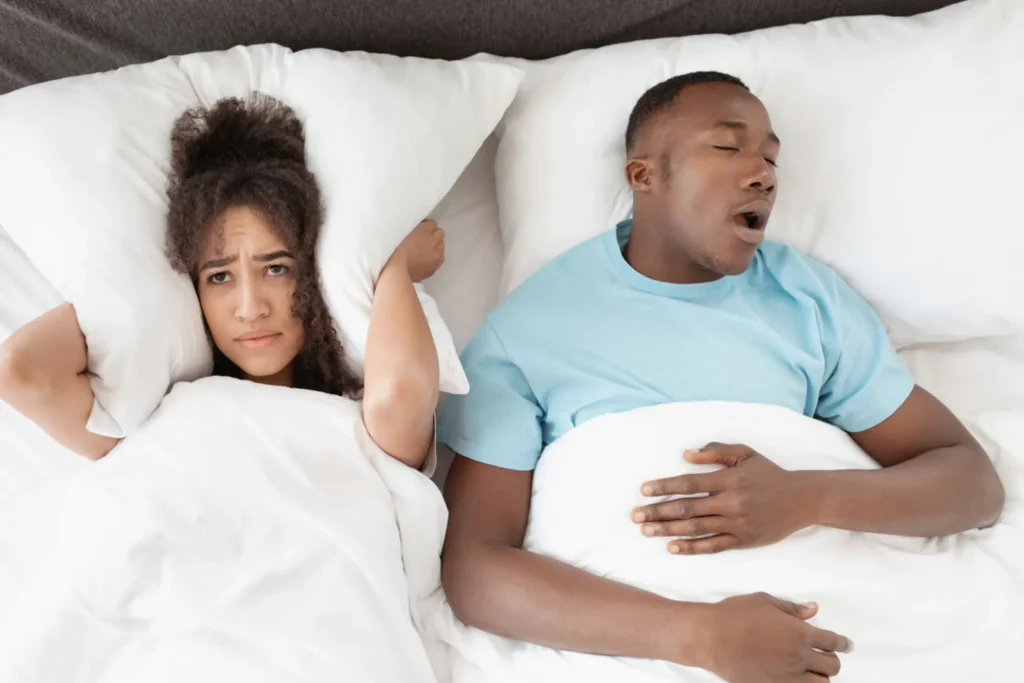
Snoring is having a moment again. Between sleep gadgets, travel fatigue, burnout chatter, and the classic relationship joke about “who’s really keeping who awake,” people are looking for fixes that feel practical. A well-chosen anti snoring mouthpiece can be one of those tools, but it works best when you pair it with smart sleep basics.
Why is everyone suddenly talking about snoring and sleep quality?
Sleep has shifted from “nice to have” to “non-negotiable.” You see it in workplace burnout conversations, in the rise of sleep tracking, and in the way people plan recovery days after travel. When sleep feels fragile, snoring becomes harder to ignore.
There’s also a trend toward optimizing everything. Some surveys and commentary have warned that obsessing over sleep metrics can backfire. If your tracker makes you anxious, it may be hurting the very thing you’re trying to improve.
Quick reality check: snoring isn’t always “just snoring”
Snoring can be benign. It can also be a sign of a bigger breathing issue during sleep. If you suspect sleep apnea, don’t self-treat and hope for the best. Get evaluated.
If you want a general starting point for what “rested” habits look like, see Local sleep specialist shares tips to wake up feeling rested.
What are the “do this first” moves before buying a mouthpiece?
Start with the boring stuff. It’s boring because it works for many people.
1) Positioning: make gravity your teammate
Back-sleeping often worsens snoring. Side-sleeping can reduce airway collapse for some sleepers. If you always wake up on your back, try a body pillow or a simple positional strategy.
2) Alcohol timing and late meals
Alcohol can relax airway muscles and make snoring louder. Heavy late meals can also affect sleep comfort. You don’t need perfection. You need patterns that help most nights.
3) Nasal comfort and bedroom air
Dry air and congestion can push you toward mouth-breathing. That can increase vibration and noise. Consider humidity, hydration, and basic nasal comfort measures that are safe for you.
4) Travel fatigue: don’t judge your sleep by one hotel night
Red-eye flights, unfamiliar pillows, and time changes can make anyone snore more. If snoring spikes only when you travel, focus on recovery: consistent bedtime, hydration, and a familiar sleep setup.
When does an anti snoring mouthpiece make sense?
If your snoring seems position-related, or you suspect your jaw/tongue position plays a role, a mouthpiece may be worth considering. Many anti-snoring mouthpieces aim to keep the airway more open by gently adjusting jaw position or stabilizing the tongue.
Think of it like moving a folding chair away from a doorway. You’re not “fixing the doorway.” You’re clearing the path so air moves with less turbulence.
Common reasons people try one
- Relationship peace: fewer midnight nudges, less “you woke me up” math in the morning.
- Better continuity: less fragmented sleep for the snorer and the partner.
- Simple routine: a device can be easier than reinventing your whole lifestyle.
How do you choose a mouthpiece without getting lost in gadget hype?
Skip the “most advanced” claims. Focus on fit, comfort, and whether you’ll actually use it.
ICI basics: fit, comfort, and consistency
- Fit: A poor fit can slip, feel bulky, or irritate gums.
- Comfort: If it hurts, you won’t wear it. Comfort drives consistency.
- Consistency: The best device is the one you can tolerate night after night.
Positioning: small changes beat aggressive settings
More advancement isn’t automatically better. Overdoing jaw positioning can cause soreness or headaches. Look for designs that allow gradual adjustment when possible.
Cleanup: make it easy or you’ll quit
Choose a routine you can repeat half-asleep. Rinse, brush gently, air-dry, store. If cleaning feels like a chore, adherence drops fast.
If you’re comparing options, start here: anti snoring mouthpiece.
How should you track results without falling into “sleepmaxxing” stress?
Use a simple scorecard for two weeks:
- Partner report: quieter, same, or worse?
- Morning feel: more refreshed or still foggy?
- Comfort: jaw/gum soreness, drooling, dry mouth?
- Consistency: did you remove it overnight?
If you like trackers, keep them in their lane. They can show trends, but they can’t diagnose. If the data makes you spiral, take a break from it.
What symptoms mean you should stop DIY and get checked?
Snoring plus any of the following deserves medical attention:
- Choking, gasping, or witnessed breathing pauses
- Severe daytime sleepiness or drowsy driving risk
- Morning headaches, mood changes, or concentration issues that persist
- High blood pressure or heart risk factors alongside loud snoring
A mouthpiece can help some snorers. It is not a substitute for evaluation when sleep apnea is possible.
Common questions (fast answers)
Will a mouthpiece fix snoring caused by congestion? It may not. Address nasal comfort and airflow first.
Can I use one if I have dental work? Maybe. If you have crowns, loose teeth, gum disease, or TMJ issues, ask a dentist before using any oral appliance.
What if my partner snores too? Treat it like a shared project. Compare notes, rotate who tests changes first, and keep the bedroom setup consistent.
Next step: pick one change for tonight
If you want the lowest-friction plan, do this: side-sleep setup, alcohol earlier (or skip), and a consistent bedtime. Then add one tool at a time.
How do anti-snoring mouthpieces work?
Medical disclaimer: This article is for general education and does not provide medical advice. Snoring can be a symptom of sleep apnea or other health conditions. If you have breathing pauses, choking/gasping, significant daytime sleepiness, or other concerning symptoms, seek evaluation from a qualified clinician.