
Before you try another viral sleep hack, run this checklist.
- Track the pattern: Is snoring nightly, or only after travel, late meals, or drinks?
- Check the position: Worse on your back? Better on your side?
- Scan for red flags: Pauses in breathing, choking/gasping, morning headaches, or heavy daytime sleepiness.
- Protect the relationship: If your partner is “joking” about the couch, treat it as a sleep-quality problem, not a personality trait.
Sleep is having a moment. Between wearables, “sleep score” culture, and gadget trends, it’s easy to chase novelty. But snoring is still a simple question: what’s blocking airflow, and when? Use the decision guide below to pick the next move without overcomplicating it.
The no-drama decision guide (If…then…)
If snoring started during a stressful month, then simplify the basics
Workplace burnout and late-night scrolling don’t just steal hours. They can fragment sleep and make you more sensitive to anything that disrupts breathing. Start with the boring wins for 7–10 nights.
- Keep alcohol earlier in the evening (or skip it on “test” nights).
- Set a consistent sleep window, even on weekends.
- Manage nasal stuffiness: humidify the room and consider saline rinse if you tolerate it.
Skip extremes. Trends like mouth taping get talked about a lot, but many people do better with fundamentals first, plus a targeted tool if needed.
If snoring is worse on your back, then use position + consider a mouthpiece
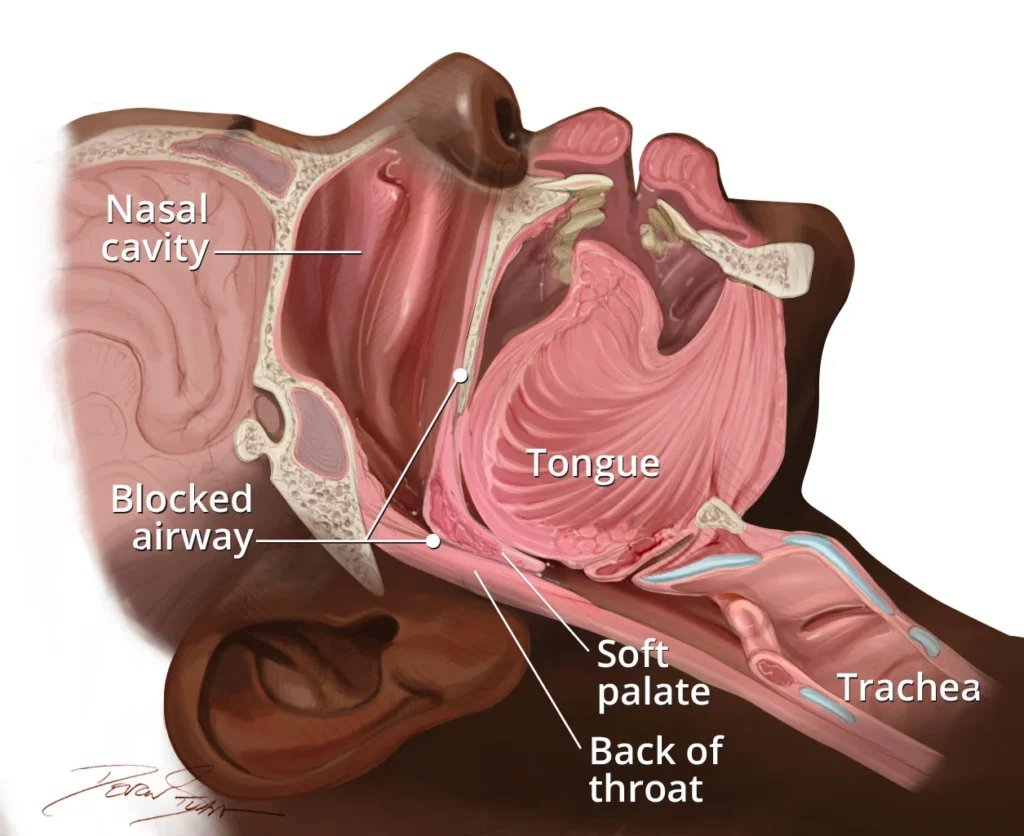
Back-sleeping can let the jaw and tongue drift back. That narrows the airway and increases vibration. Two practical options often help:
- Positional support: side-sleep training (pillow support, body pillow, or other comfort-first cues).
- An anti snoring mouthpiece: designed to hold the lower jaw slightly forward so the airway stays more open.
If you want to compare options, start here: anti snoring mouthpiece. Keep expectations realistic. The goal is quieter breathing and better sleep continuity, not a perfect “silent” night on day one.
If you only snore after travel, then treat it like a temporary airway problem
Travel fatigue is a perfect storm: dehydration, dry hotel air, different pillows, and a schedule that pushes you into deeper rebound sleep. That’s when partners discover “new” snoring and make it a running joke on the group chat.
Try a travel-focused plan:
- Hydrate earlier in the day and keep the room from getting too dry.
- Avoid heavy late dinners and alcohol close to bedtime.
- If you already use an anti snoring mouthpiece at home, pack it and keep it in your carry-on.
If you wake with dry mouth, then check nasal breathing and congestion
Dry mouth often means you’re breathing through your mouth at night. That can worsen snoring and sleep quality. Focus on nasal comfort and airway openness. If congestion is persistent, it’s worth discussing with a clinician.
If you have choking/gasping, pauses, or big daytime sleepiness, then don’t “DIY” it
Snoring can be a nuisance, but it can also overlap with sleep-disordered breathing. Some headlines lately have emphasized the difference between obstructive and central sleep apnea, and the potential health impact when breathing repeatedly stops during sleep. If you suspect sleep apnea, get evaluated.
For a general overview of what people are reading right now, see: Forget mouth taping — these 3 things will actually help you stop snoring in 2026.
Where an anti snoring mouthpiece fits (and where it doesn’t)
Best fit: snoring linked to jaw/tongue position, especially when it’s worse on your back or after deep sleep.
May be limited: snoring driven mainly by nasal blockage, or situations where a medical condition needs treatment first.
What “success” looks like: fewer wake-ups, less partner disturbance, and better next-day energy. Track it for two weeks. Use a simple note in your phone: bedtime, alcohol (yes/no), position, and a 1–5 snoring rating from your partner.
Quick troubleshooting so you don’t quit too early
- Sore jaw in the morning: ease into use and confirm fit. If pain persists, stop and seek dental guidance.
- Drooling or dryness: common early. It often settles as you adapt.
- No change at all: re-check sleep position, alcohol timing, and nasal congestion. If symptoms suggest sleep apnea, prioritize evaluation.
FAQ: fast answers people want right now
Is it normal to snore more with age?
It’s common for snoring to increase over time due to changes in muscle tone, weight, and nasal issues. “Common” still isn’t the same as “ignore it,” especially if sleep quality drops.
Can a mouthpiece replace a medical sleep apnea device?
Sometimes oral appliances are used under clinical supervision for certain cases. Don’t self-treat suspected sleep apnea without professional guidance.
Do sleep trackers help with snoring?
They can help you spot patterns (travel, alcohol, bedtime drift). Treat the numbers as clues, not a diagnosis.
CTA: pick one next step tonight
If your snoring seems position- or jaw-related and you want a practical tool, review mouthpiece options here: anti snoring mouthpiece.
How do anti-snoring mouthpieces work?
Medical disclaimer: This article is for general education only and is not medical advice. Snoring can be a sign of sleep apnea or other health conditions. If you have breathing pauses, choking/gasping, chest pain, severe daytime sleepiness, or concerns about your heart or sleep, seek evaluation from a qualified clinician.